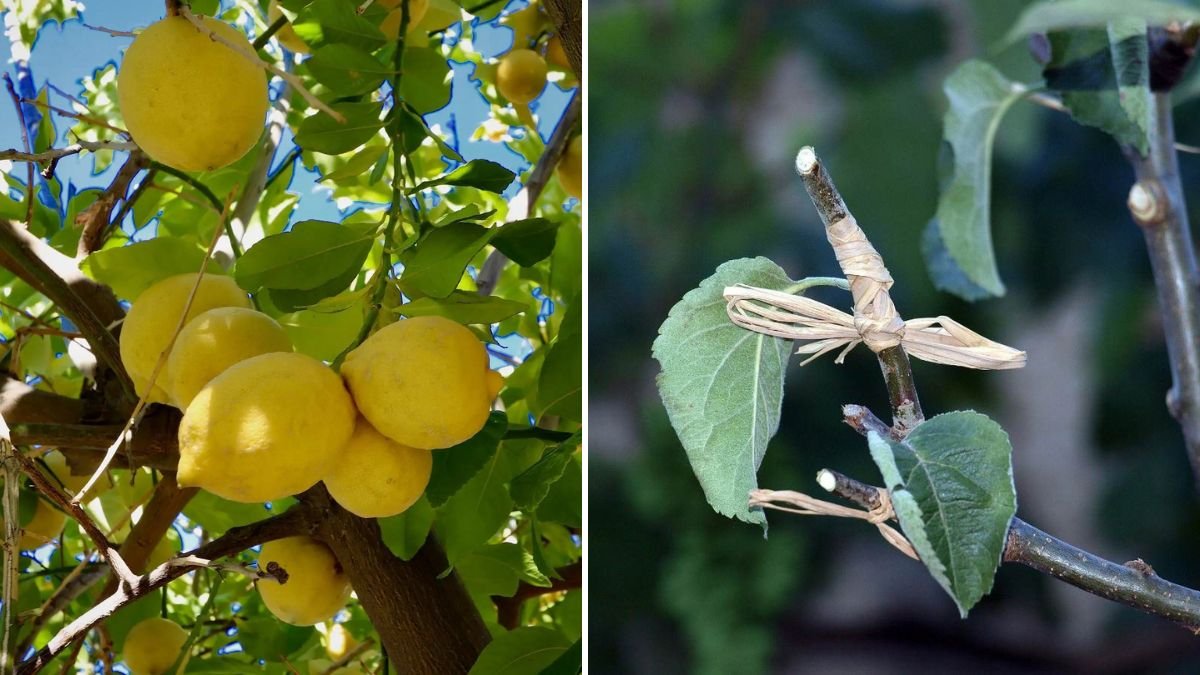
Grafting is one of the most widely used techniques in horticulture for propagating plants, combining the best traits of two different plants into a single, superior specimen. Traditionally, grafting has been practiced on fruit trees like mango, guava, citrus, and apple to ensure faster fruiting, disease resistance, and better quality.
Now, with advancements in horticultural research and practical experimentation, there are new ideas for grafting that make the process easier, faster, and more successful. These techniques improve plant survival, enhance rootstock-scion compatibility, and accelerate fruit production, allowing gardeners and farmers to reap the benefits sooner.
In this guide, we will explore innovative grafting methods, their benefits, step-by-step instructions, and expert tips to help you achieve superior plants in your home garden or orchard.
Why Innovation in Grafting Matters
Traditional grafting has served gardeners well for decades. However, it faces several challenges:
- Low success rates in some species or conditions
- Slow fruiting, particularly in seedling rootstocks
- Vulnerability to environmental stress during graft healing
- Labor-intensive methods for large-scale propagation
A new approach to grafting addresses these challenges by focusing on rootstock activation, precise scion selection, and enhanced cambium contact, increasing the chance of a successful graft. By adopting innovative techniques, you can grow stronger, faster-maturing plants that are resilient to disease and pests.
Understanding the Basics of Grafting
Before exploring the new ideas, it’s important to understand the fundamentals:
- Rootstock: The plant providing the root system. It supports the scion and determines soil adaptability, disease resistance, and vigor.
- Scion: The plant part that produces leaves, flowers, and fruits. Choosing a high-quality scion ensures the desired traits are passed on.
- Cambium Layer: The vital tissue between the bark and wood where the rootstock and scion join. Proper contact of cambium layers is crucial for grafting success.
The success of grafting depends on the compatibility of the rootstock and scion, precise cutting, and proper aftercare. Innovative grafting techniques aim to enhance cambium contact, reduce stress, and increase survival rates.
New Idea for Grafting: Node Activation Technique
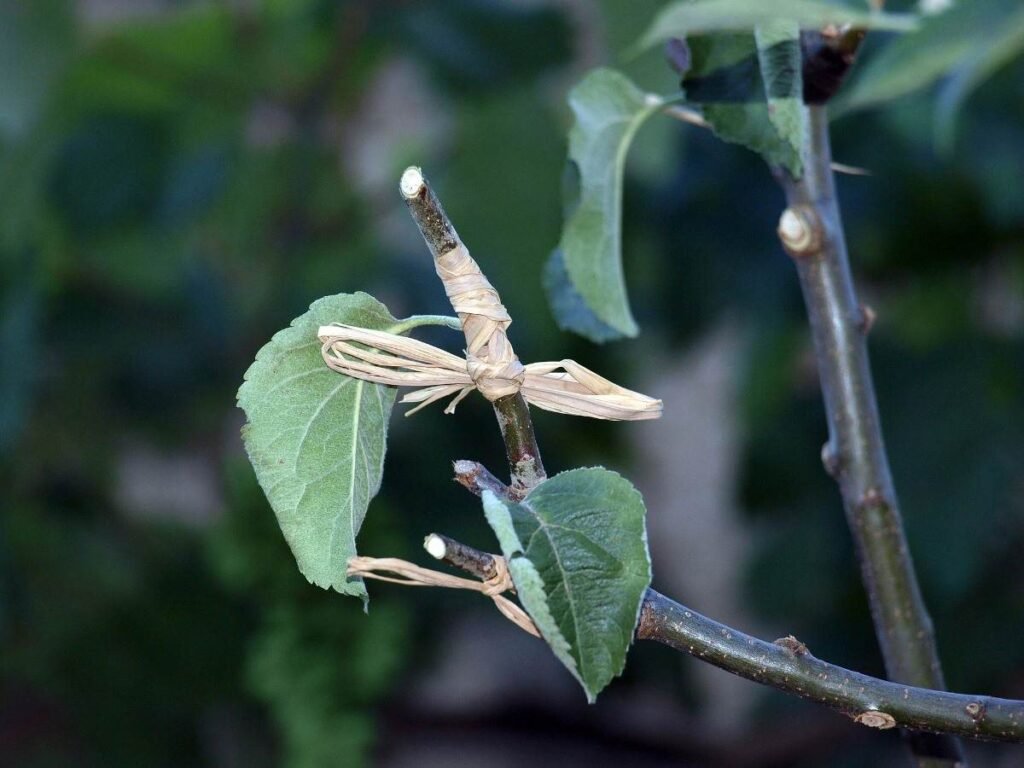
The latest innovation in grafting focuses on activating dormant nodes near the graft site to stimulate faster growth and root establishment. This method works for fruit trees, ornamentals, and some vegetables.
How Node Activation Improves Grafting
- Stimulates cell division in the scion and rootstock
- Encourages faster vascular tissue formation
- Reduces graft failure by accelerating cambium integration
- Promotes early leaf and root growth, resulting in stronger plants
Step-by-Step Guide for Innovative Grafting
The new technique can be applied to cleft grafting, veneer grafting, and T-budding, with slight modifications.
Step 1: Select Healthy Rootstock and Scion
- Rootstock: Choose a 1–2 year old, healthy, disease-free plant.
- Scion: Use a mature, disease-free shoot from a high-yielding parent tree.
Step 2: Activate Nodes
- Identify nodes near the intended graft site.
- Make a small incision or scrape the bark lightly at the node to activate growth.
- Apply a natural growth booster or rooting hormone to the area.
Step 3: Prepare Rootstock and Scion
For Cleft Grafting:
- Cut the rootstock straight and make a vertical split 2–3 cm deep.
- Trim the scion into a wedge that matches the split.
For Veneer Grafting:
- Make a slanting cut on the rootstock.
- Prepare a thin, matching scion to fit the cut.
For T-Budding:
- Make a T-shaped cut in the rootstock bark.
- Insert the scion bud into the T-cut and secure.
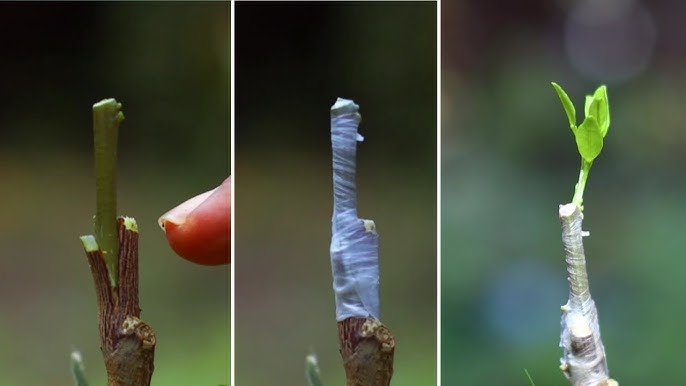
Step 4: Join and Secure
- Insert the scion into the rootstock, ensuring cambium layers touch perfectly.
- Wrap tightly with grafting tape, plastic strip, or parafilm.
- Cover the graft with a plastic bag to maintain humidity and protect from sunlight.
Step 5: Post-Grafting Care
- Place the grafted plant in bright, indirect sunlight.
- Keep the soil around the rootstock moist but not waterlogged.
- Remove any shoots from the rootstock below the graft to direct energy to the scion.
- Monitor for pests or fungal infections and apply preventive treatments if necessary.
Advantages of This New Grafting Technique
- Higher Success Rate: Node activation improves survival of grafted plants.
- Faster Growth: Activated nodes stimulate early leaf and root development.
- Stronger Plants: Well-established vascular connections reduce the risk of weak grafts.
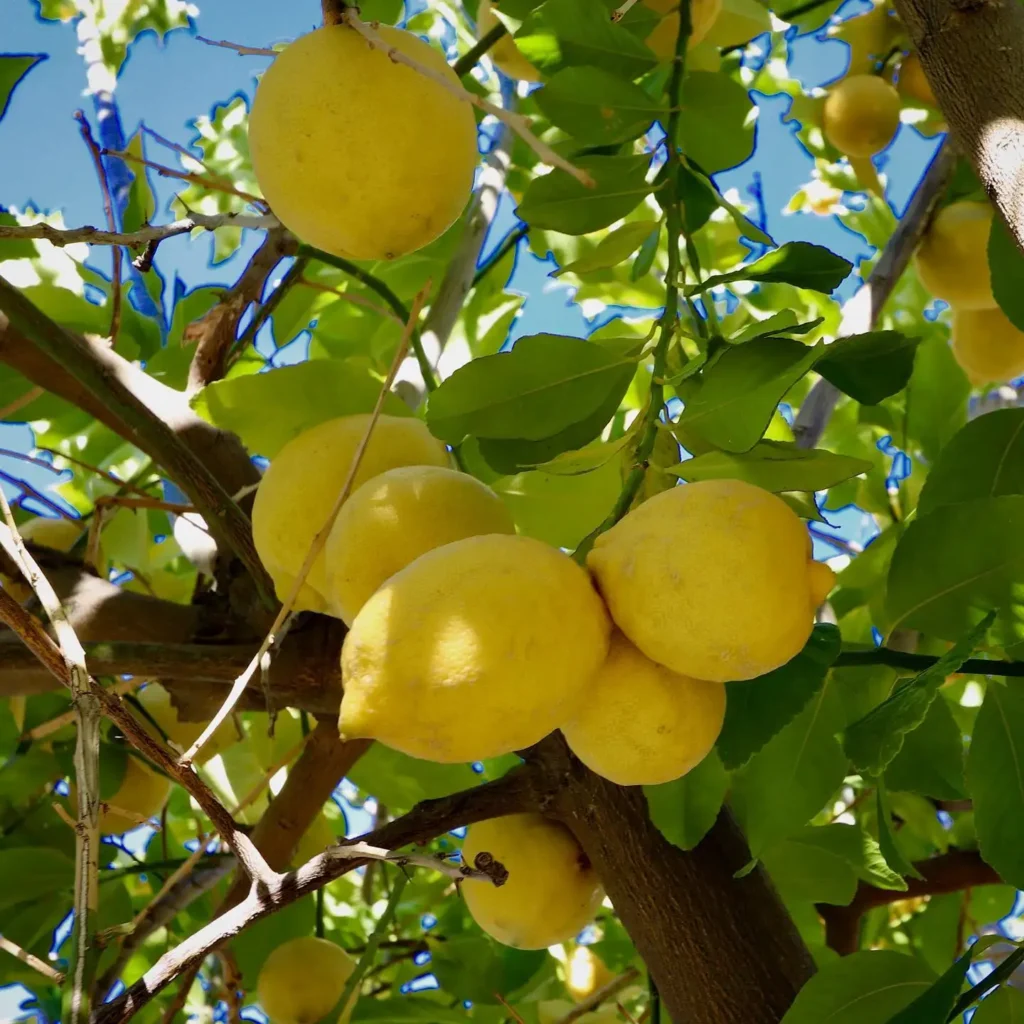
- Early Fruiting: Trees begin fruiting sooner, saving time and effort.
- Versatile: Works for fruit trees, ornamental plants, and some vegetables.
- Eco-Friendly: Can use natural growth promoters like aloe vera, honey, or seaweed extract.
Other Innovative Grafting Ideas
1. Double Grafting
- Combines two scions on a single rootstock for different fruit varieties.
- Useful for creating multi-fruit trees or ensuring pollination.
2. Grafting Under Controlled Humidity
- Using small humidity chambers or plastic tunnels improves success in hot or dry climates.
3. Rootstock Pre-Activation
- Apply mild pruning and hormone treatment to rootstock 1–2 weeks before grafting.
- Promotes vigorous growth and better cambium activity.
4. Combined Air-Layer and Grafting
- Air-layer the rootstock near the graft site to create extra roots before inserting the scion.
- Enhances stability and survival, especially for heavy or rare scions.
Common Mistakes to Avoid
- Using diseased or weak rootstock/scion.
- Poor cambium contact.
- Overexposure to sunlight immediately after grafting.
- Overwatering or waterlogging grafted plants.
- Neglecting node activation or aftercare.
Avoiding these mistakes ensures a higher survival rate and stronger, faster-growing grafted plants.
Post-Grafting Care Tips
- Watering: Keep soil consistently moist but not soggy.
- Mulching: Use straw or dry leaves to retain moisture and prevent weeds.
- Fertilization: Apply compost or balanced fertilizer to support growth.
- Pest Control: Monitor daily and apply neem oil or biopesticides if necessary.
- Pruning: Remove shoots from the rootstock below the graft to focus energy on scion growth.
Applications of the New Grafting Techniques
This innovative grafting idea can be applied to:
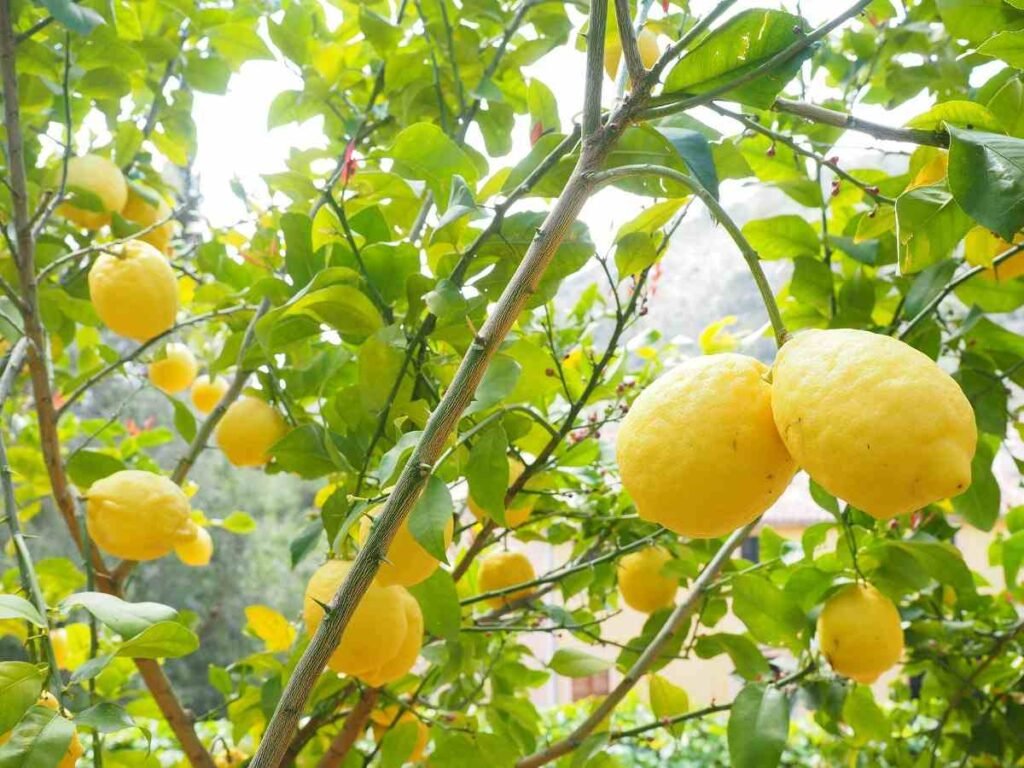
- Fruit trees: Mango, guava, citrus, apple, pear
- Ornamental trees: Hibiscus, rose, bougainvillea
- Vegetables: Tomato, eggplant, pepper in specialized horticulture
- Rare or endangered plant propagation for conservation purposes
It is suitable for home gardeners, nurseries, and commercial growers, improving productivity and plant quality across scales.
Conclusion
The new idea for grafting—node activation combined with modern techniques like cleft grafting, veneer grafting, and T-budding—is transforming horticulture. By enhancing cambium contact, stimulating early growth, and improving rootstock-scion compatibility, this technique ensures:
- Higher survival rates
- Faster fruiting
- Stronger, healthier plants
- True-to-type fruit quality
Whether you are a home gardener, nursery owner, or commercial grower, adopting these innovative grafting methods will maximize plant performance and yield. With careful selection of rootstock and scion, proper aftercare, and attention to detail, you can achieve robust, productive, and beautiful plants that reward you season after season.