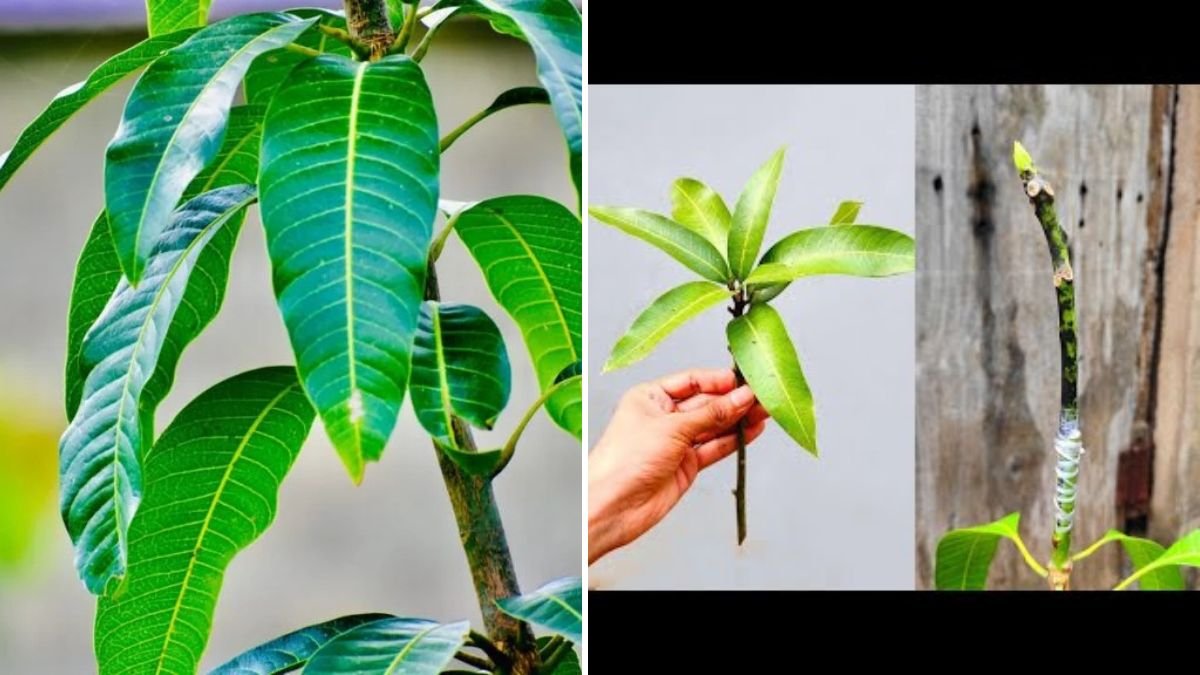
Mango (Mangifera indica), often called the “king of fruits,” is one of the most popular and widely cultivated tropical fruit trees worldwide. Its sweet, juicy fruits are enjoyed fresh, in desserts, and in a variety of processed products. For home gardeners, nurseries, and commercial orchards, grafting mango trees is the key to producing high-quality, true-to-type plants that bear fruit faster than seed-grown trees.
Traditional grafting methods, while effective, can sometimes be slow or result in lower success rates, especially under challenging climatic conditions. Fortunately, horticultural research and field experiments have led to innovative grafting techniques for mango trees, which improve survival, growth, and fruit production.
In this guide, we explore a new technique for grafting mango trees, step-by-step instructions, benefits, aftercare, and tips to ensure your grafting efforts succeed.
Why Grafting Mango Trees is Essential
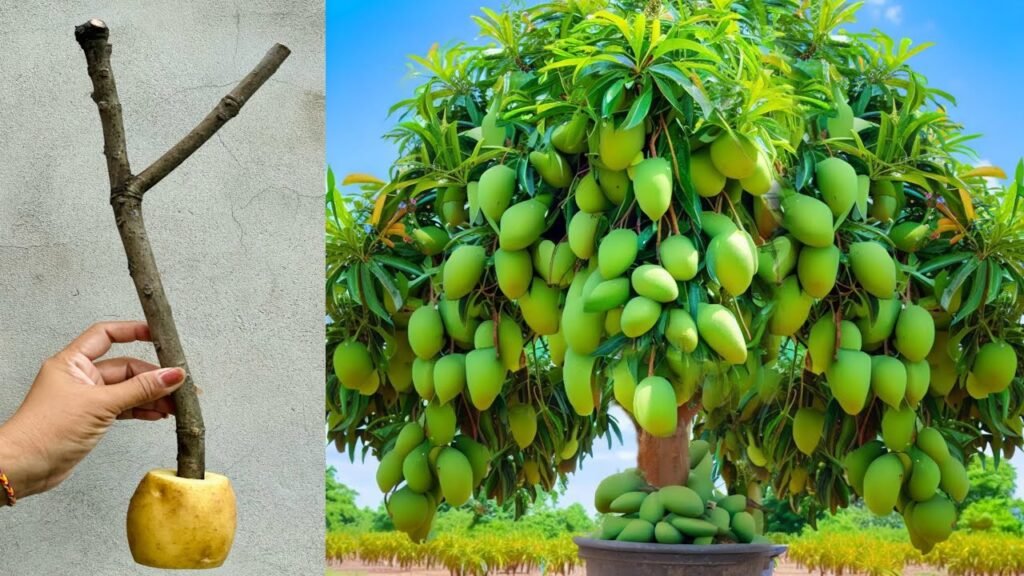
Grafting is more than a propagation method; it is a way to combine the best traits of two plants:
- Rootstock: Provides strong roots, disease resistance, and soil adaptability.
- Scion: Ensures high-quality fruit, desired traits, and early fruiting.
Benefits of Grafting over Seed Propagation:
- Faster Fruiting: Seedlings may take 6–8 years to produce fruit, while grafted mangoes can bear fruit in 2–3 years.
- True-to-Type Plants: Grafting preserves the genetic traits of the parent tree, ensuring consistent fruit quality.
- Disease Resistance: Strong rootstock reduces susceptibility to pests and soil-borne diseases.
- Uniform Growth: Trees grow more uniformly, which is ideal for orchards and commercial production.
The new technique for grafting mango trees further enhances these benefits by increasing success rates and accelerating growth.
Introducing the New Technique for Mango Grafting
The innovative approach focuses on pre-activating the rootstock, improving cambium contact, and stimulating faster scion growth. This method combines modern horticultural practices with practical field techniques, suitable for both home gardeners and commercial nurseries.
Key Features of the New Technique:
- Rootstock pre-activation enhances cambium activity.
- Precise scion selection ensures high-quality fruit.
- Improved grafting alignment promotes faster healing.
- Post-grafting stimulation encourages rapid leaf and root development.
This method can be applied to cleft grafting, veneer grafting, and epicotyl grafting, making it versatile for different mango varieties and climates.
Step-by-Step Guide for the New Mango Grafting Technique
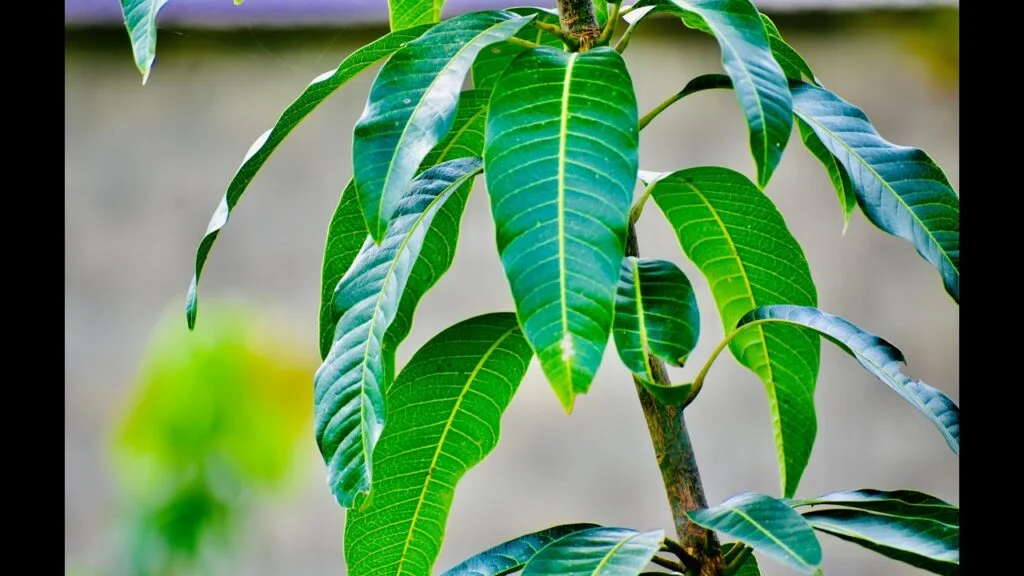
Step 1: Select Healthy Rootstock and Scion
- Rootstock: Choose a 1-year-old healthy mango seedling or established rootstock with strong roots.
- Scion: Select a disease-free, mature branch from a high-yielding mango variety.
- Scions should have 3–4 buds for optimal growth.
Step 2: Pre-Activate the Rootstock
- Make a small horizontal cut or scrape near the intended graft site.
- Apply a natural growth stimulant, such as aloe vera gel, seaweed extract, or rooting hormone, to the area.
- This stimulates cambium activity and prepares the rootstock for grafting.
Step 3: Prepare the Scion
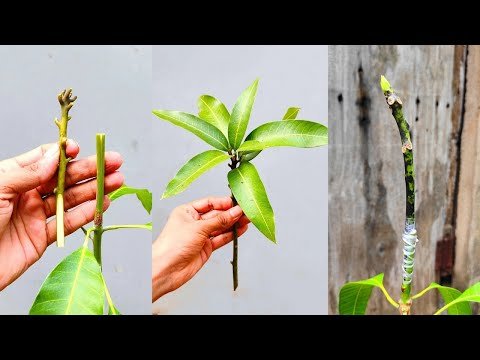
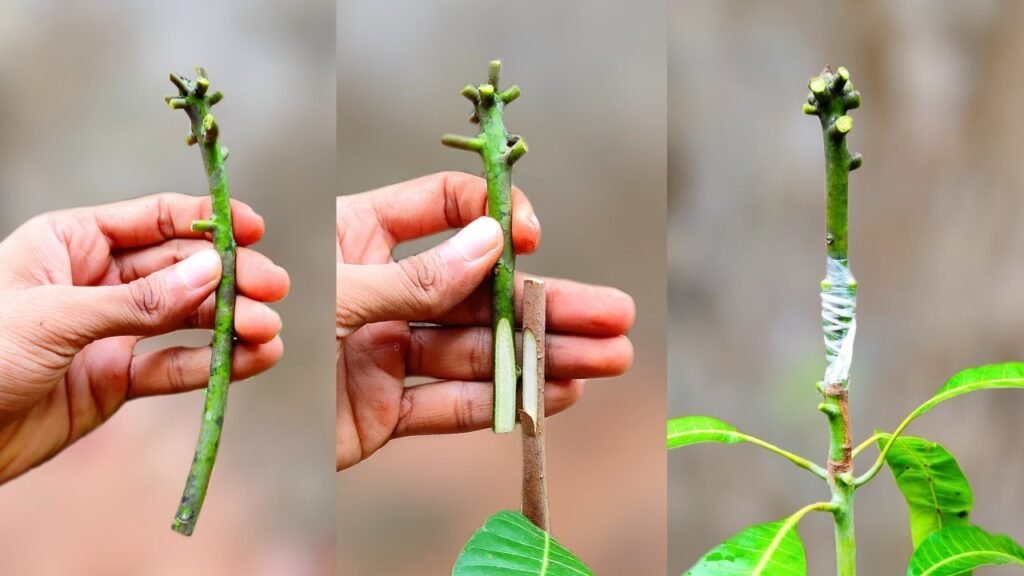
- Trim the scion into a wedge or slanting shape, depending on the grafting method.
- Remove lower leaves to reduce water loss and stress.
- Optional: Dip the cut end in rooting hormone to promote vascular tissue formation.
Step 4: Perform the Graft
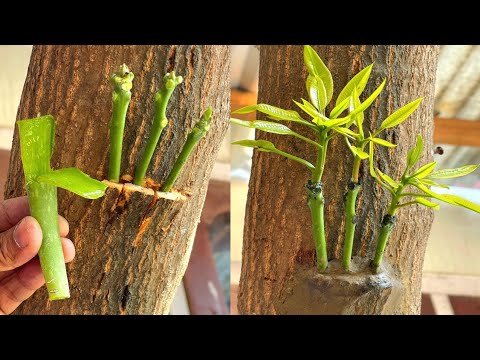
- Cleft Grafting:
- Cut the rootstock straight and make a vertical split 2–3 cm deep.
- Insert the wedge-shaped scion carefully, aligning cambium layers.
- Veneer Grafting:
- Make a slanting cut on the rootstock.
- Place the scion flat against the cut surface and wrap securely.
- Epicotyl Grafting (for nursery seedlings):
- Cut the seedling stem 10–15 cm above soil.
- Insert a scion into a V-shaped slit at the top, ensuring tight cambium contact.
Step 5: Secure the Graft
- Wrap the graft union tightly with grafting tape, parafilm, or a plastic strip.
- Cover with a small plastic bag or humidity dome to retain moisture.
- Avoid direct sunlight initially to prevent scion dehydration.
Step 6: Post-Grafting Care
Proper care after grafting is crucial for success:
- Watering: Keep soil moist but avoid waterlogging. Drip irrigation works best for controlled moisture.
- Fertilization: Apply diluted organic fertilizers or compost tea weekly to stimulate growth.
- Pruning: Remove any shoots from the rootstock below the graft to direct energy to the scion.
- Protection: Guard against pests, extreme sunlight, and strong winds.
- Monitoring: Check the graft weekly for signs of healing or stress. Grafts usually begin showing new growth in 3–5 weeks.
Advantages of the New Mango Grafting Technique
- Higher Success Rate: Pre-activated rootstock and precise cambium alignment improve graft survival.
- Faster Growth: Stimulated rootstock and scion growth accelerates leaf and root development.
- Early Fruiting: Trees can bear fruit 2–3 years after grafting instead of 6–8 years.
- Stronger Plants: Improved vascular connections make trees more resilient to stress and disease.
- True-to-Type Quality: Ensures high-quality mango fruits consistent with the parent variety.
- Versatility: Suitable for various mango varieties and grafting methods.
Common Mistakes to Avoid
- Using weak or diseased rootstock/scion.
- Poor alignment of cambium layers.
- Overexposure to sunlight immediately after grafting.
- Overwatering or letting the graft site dry out.
- Ignoring pests and diseases during the healing period.
Avoiding these mistakes significantly increases the success rate and produces healthy, vigorous trees.
Tips for Maximizing Mango Grafting Success
- Select compatible rootstock and scion to avoid graft failure.
- Use sharp, clean tools to prevent infection.
- Maintain humidity around the grafted area to reduce water stress.
- Regularly monitor growth and remove competing shoots.
- Apply natural growth boosters like aloe vera or seaweed extract to enhance healing.
- Mulch the base to retain moisture and improve soil fertility.
Applications of the New Grafting Technique
This innovative method is suitable for:
- Home gardeners: Grow high-quality mango trees in small gardens.
- Commercial nurseries: Produce large numbers of true-to-type mango plants efficiently.
- Orchard owners: Ensure uniform growth, early fruiting, and high yield.
- Rare or high-value varieties: Propagate rare mango types that are difficult to grow from seeds.
By adopting this technique, growers can achieve faster, stronger, and more productive mango trees in both small-scale and commercial settings.
Conclusion
Grafting mango trees is a proven method for producing high-quality, true-to-type plants with faster fruiting. The new technique for mango grafting, which emphasizes rootstock pre-activation, cambium alignment, and post-grafting stimulation, further enhances success and accelerates growth.
Key benefits of this innovative approach include:
- Higher survival rates
- Faster establishment and growth
- Early fruiting in 2–3 years
- Stronger, disease-resistant trees
- Consistent, high-quality fruits
Whether you are a home gardener, nursery operator, or commercial orchardist, adopting this new grafting technique ensures healthy, productive, and beautiful mango trees that will reward you with abundant, delicious fruits for years to come.
Start grafting today and experience the next generation of mango propagation, combining tradition, innovation, and modern horticultural science for maximum success.