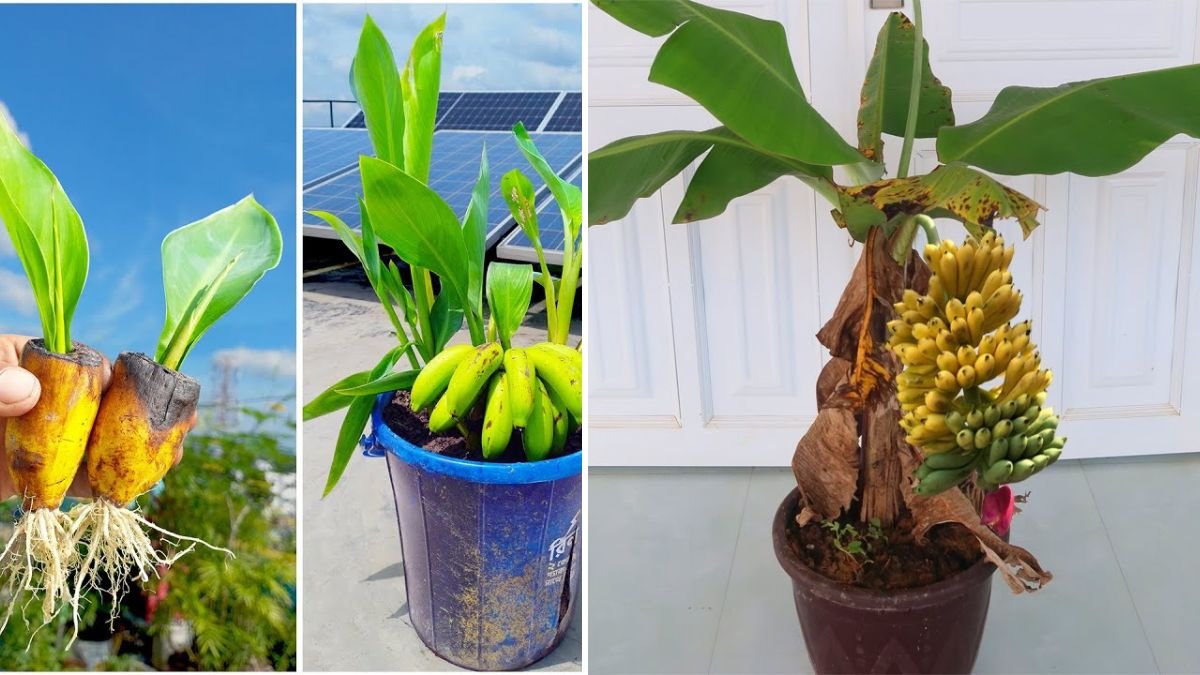
Bananas are among the most loved tropical fruits in the world—sweet, nutritious, and easy to grow with the right approach. Whether you have a large farm, a backyard, or even a small space, bananas can thrive if you follow proper techniques. They don’t require complex care; all they need is rich soil, good moisture, and the right planting method.
In this detailed guide, we’ll explore the best and most effective way to grow banana trees, ensuring faster growth, healthier plants, and larger bunches. This method works for beginners, home gardeners, and farmers who want high yields.
Understanding Banana Growth
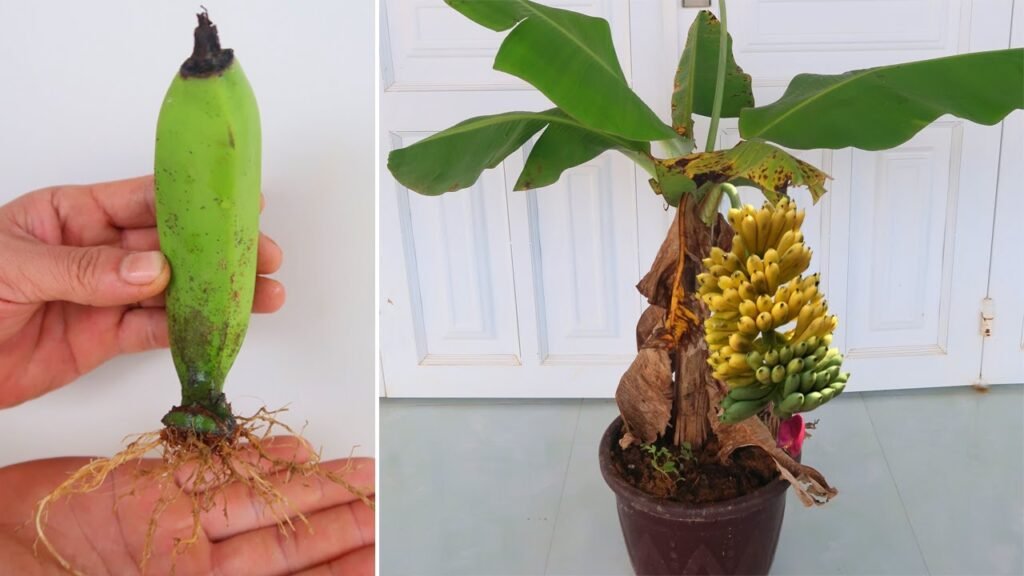
Before planting, it’s important to understand how bananas grow. Banana plants are not actual trees—they are giant herbs, and what looks like a trunk is called a pseudostem. The real stem grows underground and is known as the corm.
Bananas reproduce through suckers, also known as pups, which grow from the mother plant’s roots.
Key banana parts you should know:
- Corm – the underground stem that stores energy
- Pseudostem – the tall, thick stem that holds leaves
- Leaves – large, green, and responsible for photosynthesis
- Inflorescence (flower) – produces the banana fruit
- Suckers – new shoots used for propagation
Understanding these parts helps you manage banana growth more efficiently.
Selecting the Right Banana Variety
Different banana types grow differently. Choose according to your climate, soil, and purpose.
Popular varieties:
- Grand Naine – high yield, commercial favorite
- Robusta – fast growing, sweet fruits
- Rasthali – soft, aromatic fruit
- Nendran – cooking variety
- Dwarf Cavendish – suitable for small spaces and containers
- Red Banana – nutritious and attractive fruit
The great way to grow bananas begins with choosing the right variety for your area.
A Great Way to Grow Banana: The Proven Method
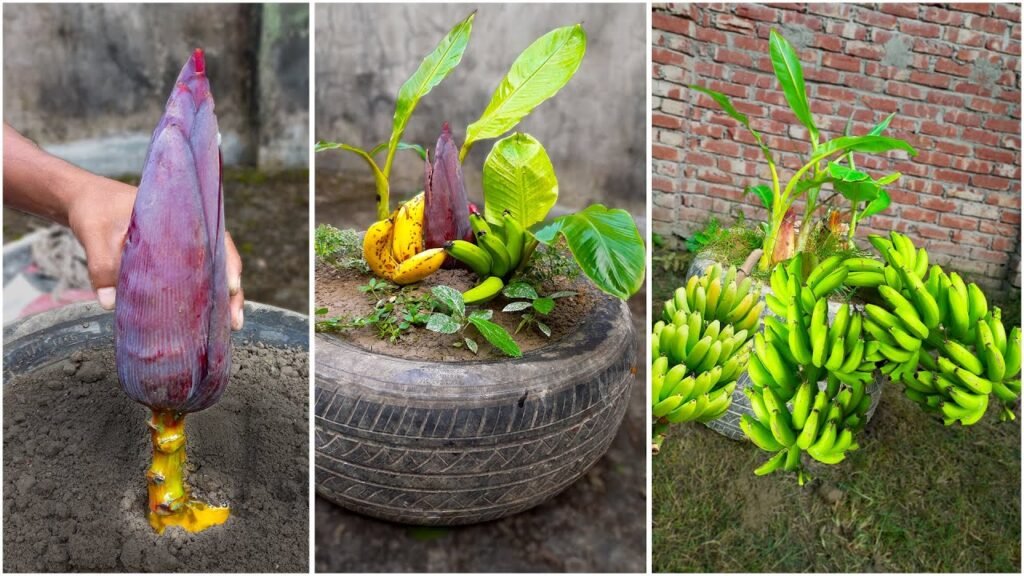
The best way to grow bananas successfully is by using healthy suckers, preparing nutrient-rich soil, and maintaining consistent care. Here is the complete method.
STEP 1: Choose Healthy Suckers (Pups)
Bananas grow best from suckers taken from a mature, disease-free mother plant.
Choose the right suckers:
- Sword suckers – narrow, pointed leaves; strong and healthy
- Avoid water suckers – broad, weak leaves; poor root system
Sword suckers give the fastest growth and biggest harvest.
STEP 2: Prepare the Planting Site
Bananas need:
- Full sunlight
- Warm temperature
- Well-drained, fertile soil
- Plenty of organic matter
Perfect soil mix:
- 40% garden soil
- 30% compost or cow dung
- 20% sand
- 10% ash or banana stem compost for potassium
Digging the pit:
- Dig a pit 2–3 feet wide and deep.
- Mix soil with organic manure.
- Allow the pit to sit for 5–7 days before planting.
This ensures the soil is airy, nutritious, and ready for strong growth.
STEP 3: Planting the Banana Sucker
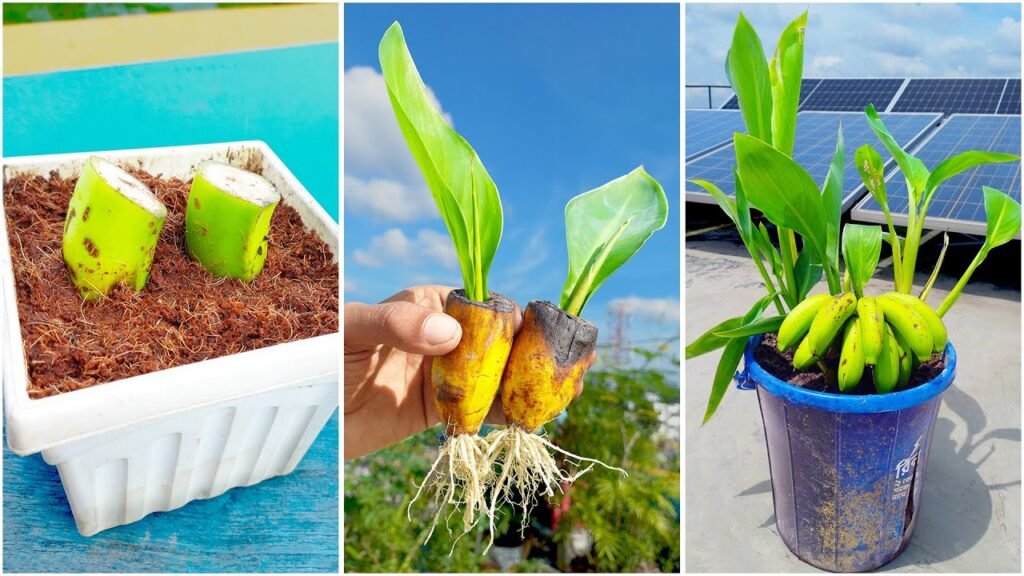
- Trim the roots of the sucker lightly.
- Remove any dry, rotten tissues.
- Dip the sucker in a mild fungicide or turmeric-water solution.
- Place the sucker upright in the pit.
- Cover with soil and press gently to remove air pockets.
Spacing matters:
- 5 x 5 feet for dwarf varieties
- 7 x 7 feet for tall varieties
Proper spacing helps each plant grow without competition.
STEP 4: Watering the Banana Plant
Banana plants love moisture but cannot tolerate waterlogging.
Watering tips:
- Water daily during summer
- Water every 2–3 days during winter
- Use drip irrigation if possible
- Mulch the base with dry leaves to retain moisture
Bananas need steady and consistent moisture for fast growth.
STEP 5: Fertilizing Bananas for Fast Growth
Bananas are heavy feeders. They need regular nutrition to produce large bunches.
Organic fertilizers to use:
- Cow dung
- Vermicompost
- Banana stem compost
- Compost tea
- Wood ash (rich in potassium)
Feeding schedule:
- At planting: 5–10 kg of compost
- After 30 days: nitrogen-rich fertilizer
- After 60 days: increase potassium for stem and leaf growth
- After 90 days: apply compost tea or neem cake
- After 120 days: add potassium-rich fertilizer (very important)
Potassium (K) is the key nutrient that increases fruit size and sweetness.
STEP 6: Support and Maintenance
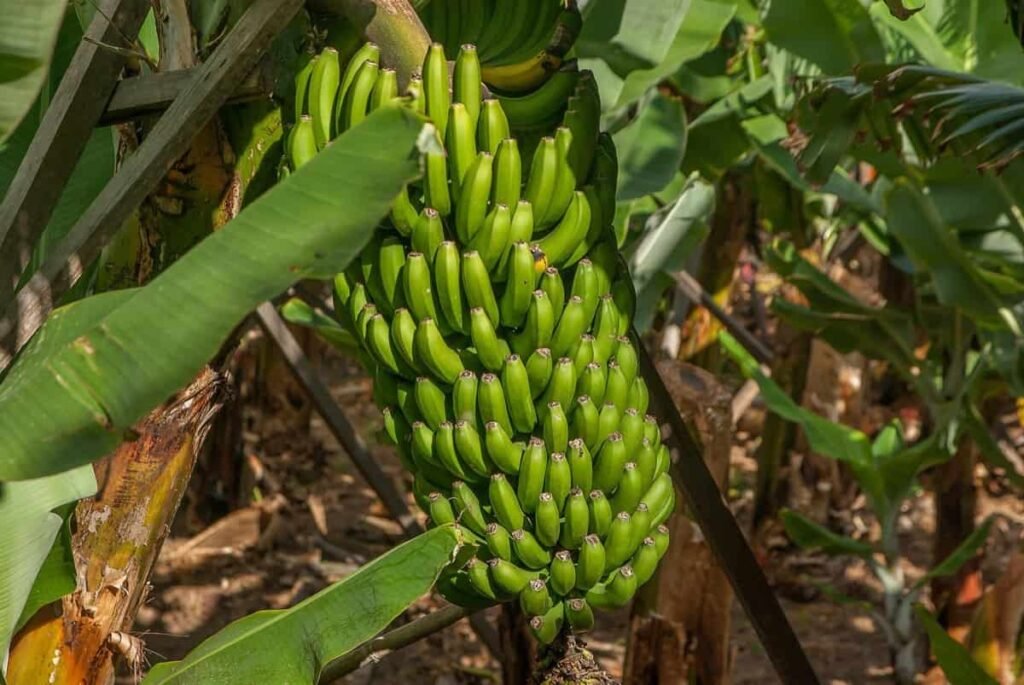
Banana plants can grow heavy, especially when fruit develops.
Support your banana plant:
- Use a bamboo stick or wooden pole to prevent wind damage.
- Remove dry leaves to avoid pests.
- Keep the area weed-free.
Remove extra suckers:
Each plant should keep only 1–2 suckers at a time.
Extra suckers reduce fruit size.
STEP 7: Pest and Disease Control
Bananas are generally hardy, but some pests can attack.
Common pests:
- Banana weevil
- Aphids
- Thrips
- Nematodes
Natural solutions:
- Neem oil spray every 15 days
- Garlic-chili spray
- Soap water spray for aphids
Common diseases:
- Panama disease
- Sigatoka leaf spot
Prevent by:
- Using disease-free suckers
- Avoiding stagnant water
- Keeping the area clean
STEP 8: Flowering and Fruiting
Banana plants flower 7–10 months after planting (depending on variety and care).
Flowering tips:
- When the flower emerges, remove the male bud after the last bunch
- This directs energy to the fruits
- Apply extra potassium-rich fertilizer during fruit formation
Your bananas will grow cluster by cluster until a full bunch appears.
STEP 9: Harvesting Bananas
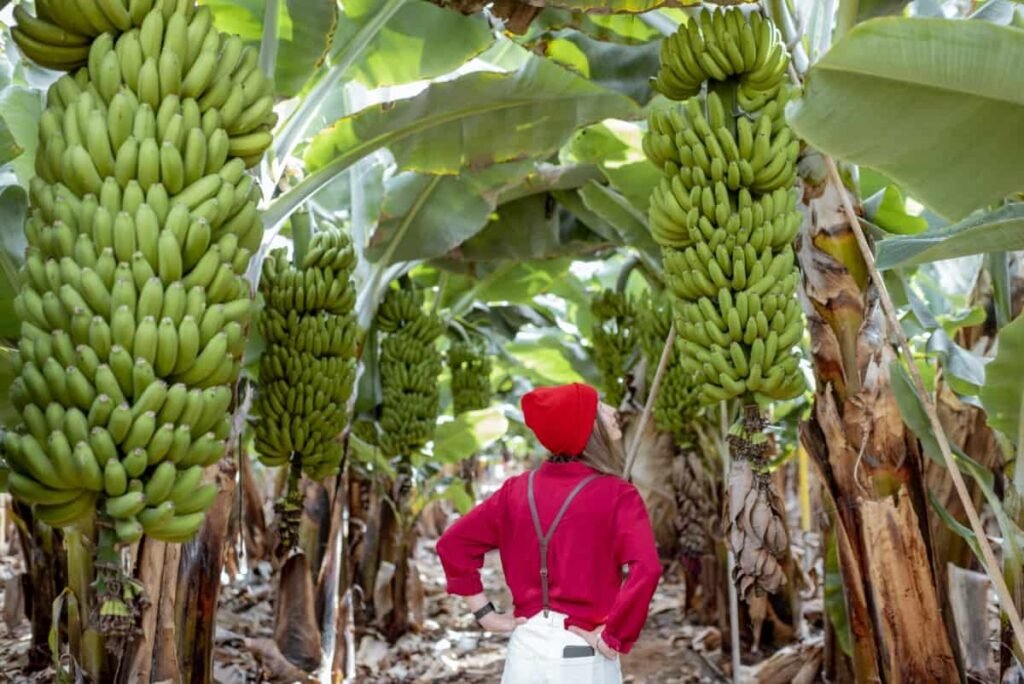
Bananas are harvested when the fruit becomes plump and green.
Signs your bananas are ready:
- Edges of banana fruits become round
- Fruit size increases
- Bananas turn slightly light green
Cut the whole bunch using a sharp knife.
Keep one hand below to support the weight.
After harvesting, the mother plant will die naturally—but don’t worry.
The suckers around it will continue the cycle.
Bonus: Growing Bananas in Containers
If you have limited space, you can grow bananas in pots too!
Container requirements:
- Minimum 25–30 inch pot
- Good drainage holes
- Rich soil mix with compost
Best banana varieties for pots:
- Dwarf Cavendish
- Rajapuri
- Dwarf Nendran
Regular feeding and watering are essential in containers because soil nutrients wash out quickly.
Advanced Tips for Bigger Banana Harvests
✔ Use banana peel fertilizer
✔ Apply Epsom salt once a month for greener leaves
✔ Keep soil moist at all times
✔ Add wood ash for potassium boost
✔ Don’t allow more than 1–2 suckers per plant
✔ Mulch heavily to conserve moisture
✔ Use organic compost instead of chemical fertilizers
Conclusion
Growing bananas is one of the most rewarding experiences for any gardener. With the right technique—choosing healthy suckers, preparing rich soil, ensuring proper watering, and feeding regularly—you can easily produce huge, sweet, and healthy banana bunches at home or on your farm.
The method described above is truly a great way to grow bananas because it focuses on:
- Healthier soil
- Faster plant development
- Bigger and sweeter fruits
- Sustainable organic practices
Whether you’re a beginner or an experienced grower, following this system will help you enjoy abundant banana harvests that are fresh, chemical-free, and full of flavor.