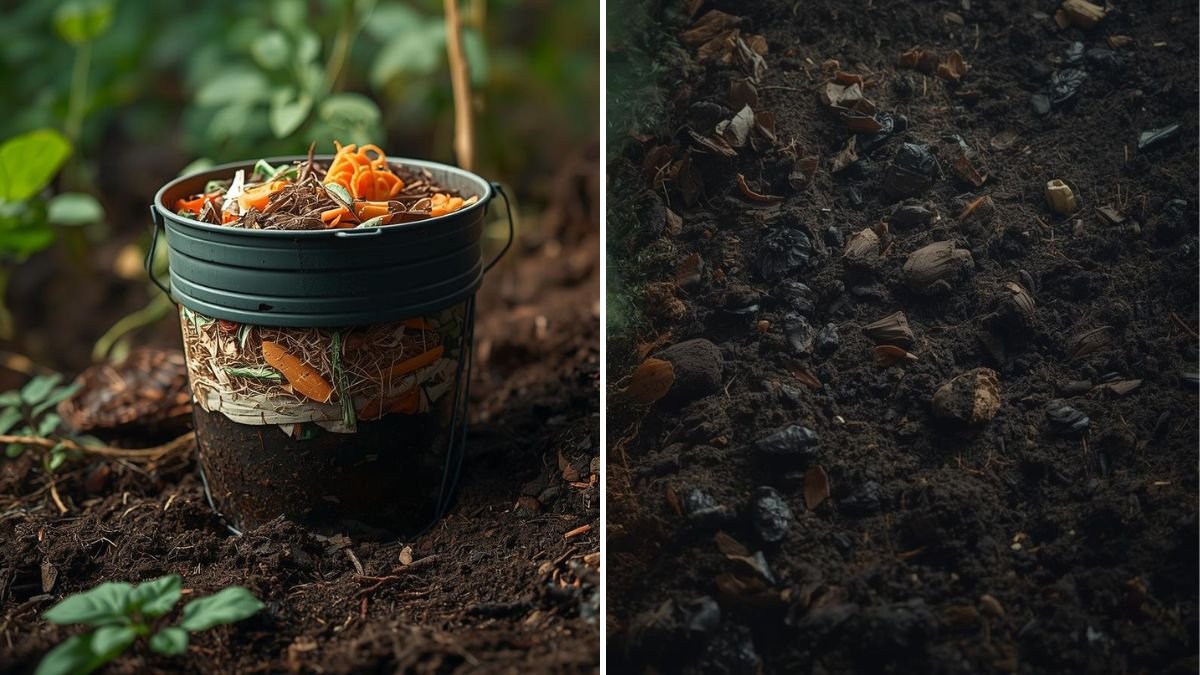
An improvised compost bin is a simple and affordable way to recycle household organic waste. Composting at home reduces kitchen waste and supports sustainable living. Even without expensive equipment, anyone can compost successfully. Improvised bins use everyday materials like buckets, crates, or barrels. Compost enriches soil naturally and improves plant health. Home composting reduces landfill waste significantly. This method is ideal for beginners and small spaces. Understanding the basics ensures odor-free and effective composting.
Why Choose an Improvised Compost Bin
Improvised compost bins are budget-friendly and flexible. They can be created using recycled materials already available at home. This reduces plastic waste and promotes reuse. Improvised bins fit well in balconies, backyards, or rooftops. They allow better control over composting conditions. Beginners find them easy to manage and modify. Composting becomes accessible to everyone. Simplicity makes this method highly practical.
Best Locations for an Improvised Compost Bin
Location plays a crucial role in composting success. Choose a shaded area to prevent overheating. Good airflow helps decomposition. Avoid placing bins too close to living areas. Balconies with ventilation work well. Backyards offer ideal conditions. Indoor composting needs careful moisture control. Easy access encourages regular maintenance. Proper placement prevents odors and pests.
Materials You Can Use for an Improvised Bin
Many household items work as compost bins. Plastic buckets with lids are common. Old dustbins or storage boxes are effective. Wooden crates allow airflow. Clay pots with holes also work. Cardboard boxes can be temporary bins. Ensure materials are durable. Reusing items saves money and resources. The choice depends on space and availability.
Preparing the Improvised Compost Bin
Drill or punch holes for aeration. Holes should be on sides and bottom. This improves oxygen flow and drainage. Place a tray under the bin to collect liquid compost tea. Clean the container before use. Add a base layer of dry material. Proper preparation prevents foul smells. Good airflow ensures faster composting.
Understanding Green and Brown Waste
Composting requires balance between green and brown waste. Green waste includes vegetable peels and fruit scraps. Brown waste includes dry leaves, paper, and cardboard. Green waste provides nitrogen. Brown waste provides carbon. Balanced ratios prevent odor. Too much green causes smell. Proper understanding improves compost quality.
What Can Be Composted
Vegetable scraps are excellent compost material. Fruit peels decompose quickly. Coffee grounds enrich compost. Crushed eggshells add calcium. Dry leaves improve texture. Paper towels are acceptable. Avoid oily or spicy foods. Compostable items speed up decomposition.
What Should Not Be Composted
Avoid meat and fish waste. Dairy products cause odor. Cooked food attracts pests. Plastic and metal should never be added. Diseased plants may spread infection. Excess citrus slows composting. Chemical-treated wood is harmful. Knowing limits prevents problems.
Layering the Compost Correctly
Start with a brown layer at the bottom. Add green waste evenly. Cover with another brown layer. Repeat layering regularly. Chop waste into small pieces. Smaller pieces decompose faster. Avoid thick wet layers. Layering maintains balance and airflow.
Moisture Management
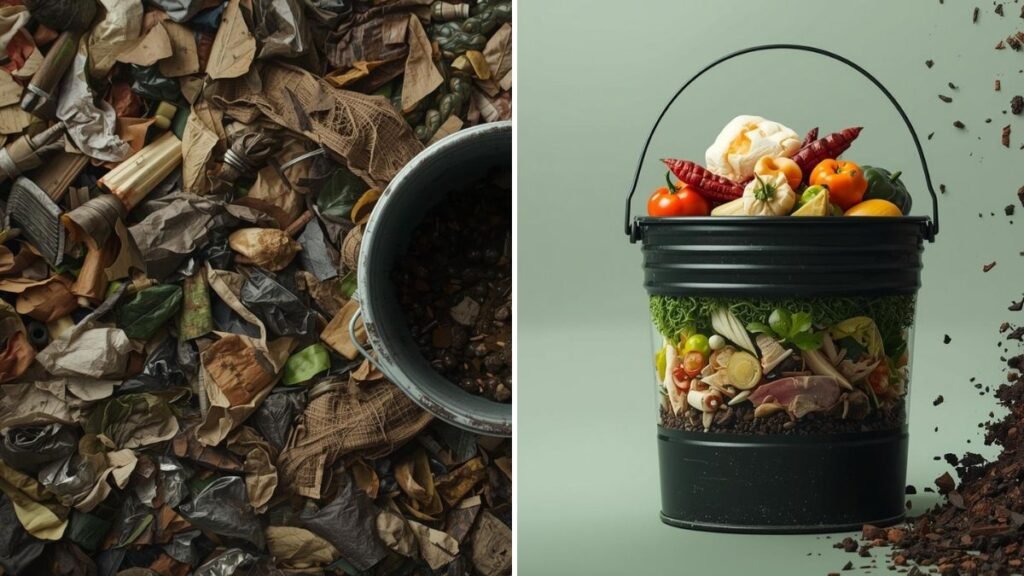
Compost should be moist but not wet. Too much water causes rot. Too little slows decomposition. Sprinkle water if compost is dry. Add dry material if too wet. Moisture consistency is key. Check moisture weekly. Balanced moisture speeds composting.
Aeration and Turning
Oxygen is essential for composting. Turn compost every one to two weeks. Use a stick or garden fork. Turning prevents bad odor. Aeration speeds breakdown. Avoid compacting materials. Regular turning ensures even decomposition. Well-aerated compost stays healthy.
Temperature Control
Compost generates heat naturally. Warm compost decomposes faster. Avoid direct sun overheating. Cold slows decomposition. Insulating with dry leaves helps in winter. Temperature indicates activity. Healthy compost feels warm inside. Monitoring helps adjust care.
Preventing Odor Issues
Odor indicates imbalance. Add more brown material if smell occurs. Avoid excess food waste. Turn compost regularly. Ensure drainage holes are clear. Proper balance prevents bad smells. Compost should smell earthy. Odor control keeps composting pleasant.
Managing Pests Naturally
Cover food scraps completely. Avoid exposed waste. Use fine mesh if needed. Place bins off the ground. Avoid sugary waste. Pests appear due to imbalance. Natural prevention works best. Clean surroundings reduce attraction.
How Long Compost Takes to Mature
Compost matures in two to four months. Time depends on material and care. Frequent turning speeds process. Warm weather accelerates decomposition. Finished compost looks dark and crumbly. Smells like soil. Patience ensures quality compost. Mature compost benefits plants greatly.
Signs Compost Is Ready
Dark brown color indicates readiness. Crumbly texture is ideal. No visible food scraps remain. Earthy smell confirms maturity. Temperature cools down. Uniform appearance shows completion. Ready compost improves soil fertility. Use only finished compost.
Using Compost in the Garden
Mix compost into garden soil. Use as top dressing for pots. Compost improves soil structure. Enhances water retention. Supplies slow-release nutrients. Beneficial microbes boost plant health. Compost supports sustainable gardening. Regular use improves yield.
Common Composting Mistakes
Adding wrong materials causes issues. Ignoring moisture balance slows composting. Not turning compost causes odor. Overloading green waste creates smell. Poor aeration affects results. Using sealed bins blocks oxygen. Learning mistakes improves success. Experience builds composting skills.
Improvised Compost Bin Table
| Component | Purpose | Benefit |
|---|---|---|
| Brown waste | Carbon source | Odor control |
| Green waste | Nitrogen source | Faster breakdown |
| Air holes | Oxygen flow | Healthy compost |
| Moisture | Microbial activity | Efficient composting |
| Turning | Aeration | Even decomposition |
Conclusion
An improvised compost bin is simple, affordable, and eco-friendly. It turns waste into valuable garden fertilizer. With proper balance and care, composting becomes easy. Anyone can compost in small spaces. Compost improves soil and plant health naturally. This method supports sustainable living. Start composting today using what you already have. Small actions create big environmental impact.