Growing cherry trees from seeds is a rewarding gardening experience that connects you directly with nature. Many people believe fruit trees can only be grown from saplings, but seeds also work with patience. Cherry seeds require specific preparation before planting. Understanding the full process increases success rates significantly. This guide explains every step in detail. From seed selection to long-term care, all stages matter. Homegrown cherry trees can thrive for decades. With proper care, you can enjoy blossoms and fruit.
Understanding Cherry Seeds and Their Dormancy
Cherry seeds have a natural dormancy period that protects them during winter. This dormancy must be broken before planting. Cold stratification mimics natural winter conditions. Without this step, seeds may not sprout. Dormancy varies slightly by cherry variety. Sweet and sour cherries behave similarly. Understanding this biological process is essential. Proper preparation ensures higher germination success.
Choosing the Right Cherry Seeds
Fresh seeds from ripe cherries perform best. Organic cherries are preferred as they are untreated. Seeds should be cleaned thoroughly. Removing all fruit pulp prevents mold growth. Healthy seeds appear firm and intact. Avoid cracked or damaged pits. Seed quality directly affects results. Careful selection improves success.
Cleaning and Preparing Cherry Seeds
Seeds must be washed in lukewarm water. Remaining flesh should be gently removed. After cleaning, allow seeds to air dry briefly. Avoid direct sunlight during drying. Proper cleaning reduces fungal risk. Drying prepares seeds for stratification. This step is simple but important. Clean seeds germinate more reliably.
Cold Stratification Process Explained
Cold stratification simulates winter temperatures. Seeds are placed in moist sand or peat moss. They are stored in a refrigerator for several weeks. Moisture must be maintained but not excessive. Temperature should remain consistently cold. This process activates germination hormones. Stratification duration usually lasts two to three months. Patience is key during this stage.
When to Plant Cherry Seeds
After stratification, seeds are ready for planting. Early spring is ideal for planting. Soil temperature should be moderate. Indoor planting allows better control. Outdoor planting works in suitable climates. Timing affects sprouting speed. Planting at the right time improves survival. Seasonal awareness is essential.
Soil Requirements for Cherry Seedlings
Cherry seedlings prefer well-draining soil. Loamy soil rich in organic matter works best. Poor drainage can cause root rot. Soil pH should be slightly acidic. Adding compost improves fertility. Loose soil allows root expansion. Healthy soil supports strong growth. Preparation makes a difference.
Planting Cherry Seeds Step by Step
Plant seeds about one inch deep. Cover lightly with soil. Water gently after planting. Avoid overwatering during early stages. Keep soil consistently moist. Place pots in a warm, bright location. Germination may take several weeks. Consistency is important.
Light and Temperature Needs
Cherry seedlings require bright light. Direct sunlight should be gentle at first. Indoor seedlings benefit from grow lights. Temperature should remain stable. Extreme heat or cold harms growth. Gradual exposure strengthens plants. Balanced conditions promote healthy development. Environmental control matters.
Watering Cherry Seedlings Properly
Watering should be moderate and regular. Soil should never become waterlogged. Overwatering causes fungal issues. Underwatering slows growth. Check moisture before watering. Use room-temperature water. Consistent hydration supports roots. Proper watering prevents stress.
Table Cherry Tree Growth Stages
Stage germination seedling juvenile mature Time period weeks months years long term Care focus moisture light nutrients pruning
Fertilizing Young Cherry Trees
Young trees need light feeding. Organic fertilizers work best initially. Overfertilizing can burn roots. Nutrients support leaf and root growth. Fertilize during active growth. Avoid fertilizing dormant plants. Balanced nutrition strengthens trees. Less is often more.
Transplanting Cherry Seedlings Outdoors
Seedlings can be transplanted when strong. Choose a sunny location. Prepare soil before transplanting. Handle roots gently. Water after transplanting. Protect from strong winds. Gradual acclimation reduces shock. Proper transplanting improves survival.
Pruning and Shaping Cherry Trees
Pruning encourages healthy structure. Remove weak or crossing branches. Prune during dormancy. Proper shaping improves airflow. Good airflow reduces disease risk. Pruning supports fruit production later. Early training is beneficial. Careful pruning matters.
Protecting Cherry Trees from Pests
Young cherry trees attract pests. Use natural pest control methods. Regular inspection prevents infestations. Healthy trees resist pests better. Mulching reduces weed competition. Avoid harsh chemicals early. Integrated care is best. Prevention saves effort.
Common Problems and Solutions
Poor germination may occur. Mold indicates excess moisture. Yellow leaves suggest nutrient imbalance. Slow growth may result from low light. Address issues early. Adjust care accordingly. Observation helps success. Problems are manageable.
How Long Until Cherry Trees Bear Fruit
Cherry trees grown from seed take time. Fruiting may take several years. Patience is essential. Growth rate varies by variety. Proper care shortens wait time. Blossoms appear before fruiting. Long-term commitment pays off. Results are rewarding.
Benefits of Growing Cherry Trees from Seed
Seed-grown trees adapt well to local conditions. Gardening satisfaction increases. Cost savings are significant. Trees can live for decades. Homegrown fruit tastes better. Learning experience is valuable. Sustainability improves. Growing from seed is fulfilling.
Conclusion: Success with Cherry Seed Planting
Planting cherry seeds requires patience and care. Each step contributes to success. From stratification to transplanting, consistency matters. Home gardeners can succeed with effort. Long-term rewards are worth it. Cherry trees enhance landscapes. Fresh fruit is a bonus. Gardening skills improve.
Image Prompt for Article 1
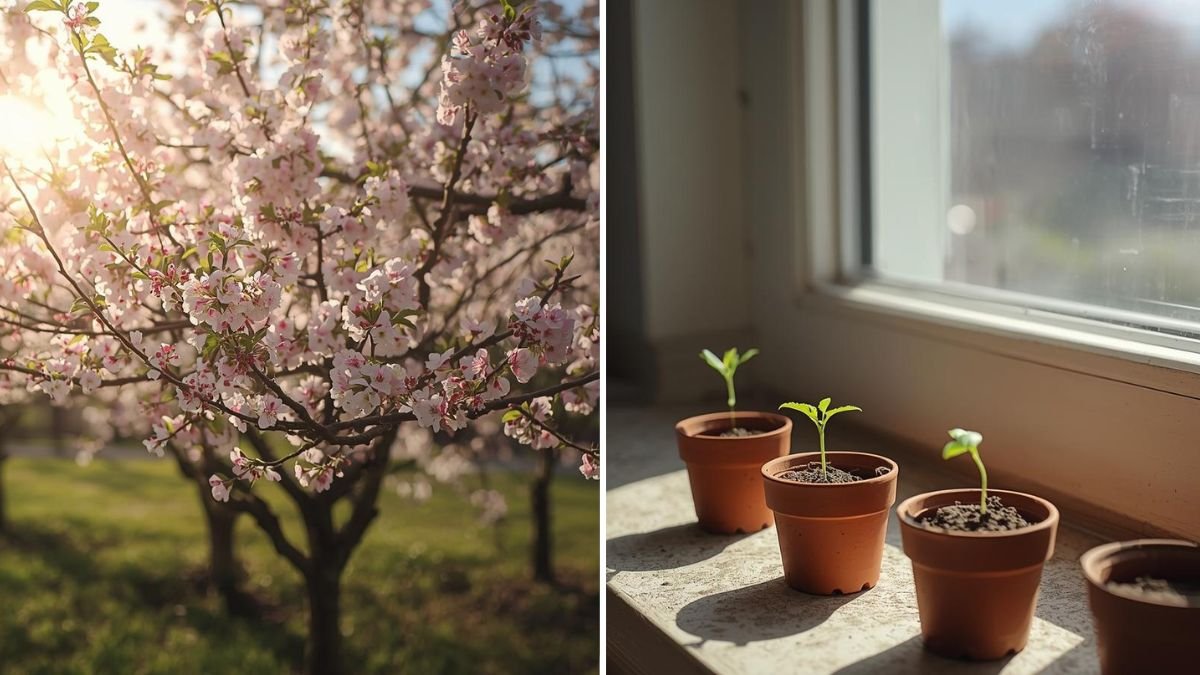
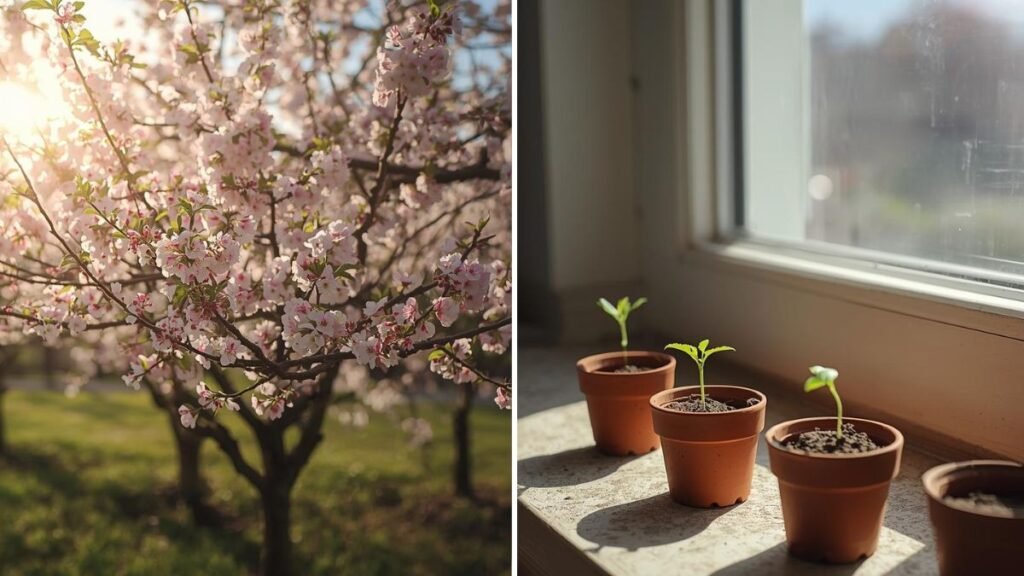
Split image with left half showing cherry seeds sprouting in small pots indoors; right half showing young cherry trees growing outdoors with blossoms, ultra realistic, natural lighting, balanced composition
Article 2: 10 Must-Have Snake Plants to Freshen Up Your Home Naturally
Introduction: Why Snake Plants Are Perfect for Homes
Snake plants are among the most popular houseplants worldwide. They are known for their air-purifying qualities. Snake plants are extremely low maintenance. They thrive in various indoor conditions. Their upright leaves add modern style. Many varieties exist with unique patterns. Choosing the right type enhances décor. This guide explores must-have snake plants.
Benefits of Growing Snake Plants Indoors
Snake plants improve indoor air quality. They release oxygen at night. Maintenance requirements are minimal. They tolerate low light. Watering needs are low. Snake plants resist pests. They suit busy lifestyles. Health benefits make them popular.
Understanding Snake Plant Varieties
Snake plants vary in size and color. Some have tall upright leaves. Others grow compact and wide. Leaf patterns range from stripes to solid colors. Varieties adapt to different spaces. Growth speed differs slightly. Knowing varieties helps selection. Diversity adds interest.
1 Snake Plant Laurentii
Laurentii is the most popular variety. It has green leaves with yellow edges. The plant grows tall and elegant. It fits living rooms well. Light tolerance is excellent. Watering needs are minimal. It improves air quality. A classic choice.
2 Snake Plant Moonshine
Moonshine has silvery green leaves. It offers a modern appearance. Bright light enhances color. Growth is compact and neat. It suits minimal interiors. Water sparingly for best results. Unique color adds style. Highly decorative.
3 Snake Plant Zeylanica
Zeylanica has dark green patterned leaves. It is hardy and adaptable. Growth is upright and structured. It tolerates low light. Watering is minimal. It suits offices well. Patterned leaves add texture. Easy to maintain.
4 Snake Plant Black Gold
Black Gold features dark leaves with golden edges. It is visually striking. Growth is moderate. It prefers bright indirect light. Overwatering should be avoided. It adds contrast to interiors. Elegant appearance stands out. Decorative value is high.
5 Snake Plant Hahnii
Hahnii is a compact variety. It forms a rosette shape. Perfect for small spaces. It fits desks and shelves. Light requirements are flexible. Water sparingly. Growth remains low. Space-saving option.
6 Snake Plant Cylindrica
Cylindrica has round upright leaves. It offers a sculptural look. Growth is slow and steady. It suits modern décor. Requires minimal watering. Light tolerance is good. Unique shape draws attention. Stylish choice.
7 Snake Plant Futura Superba
Futura Superba has shorter wide leaves. Yellow borders add brightness. It grows compactly. Perfect for tabletops. It tolerates indoor conditions well. Easy maintenance required. Adds color without clutter. Balanced appearance.
8 Snake Plant Bantels Sensation
Bantels Sensation has white vertical stripes. It looks elegant and tall. Growth is upright. Bright light enhances stripes. Water moderately. Decorative appeal is high. Rare variety adds interest. Eye-catching design.
9 Snake Plant Golden Flame
Golden Flame shows yellow centers. Leaves darken as they mature. It adapts well indoors. Growth is moderate. Water sparingly. Color contrast is attractive. Works in modern homes. Stylish and hardy.
10 Snake Plant Twisted Sister
Twisted Sister has curled leaves. Compact growth makes it unique. Yellow edges brighten appearance. Light tolerance is good. Minimal watering required. Ideal for decorative pots. Unique form stands out. Fun variety.
Table Popular Snake Plant Varieties
Variety size color pattern best location care level Laurentii tall green yellow edge living room low Hahnii small solid green desk shelf low Cylindrica tall round leaves modern décor low
Caring for Snake Plants Properly
Snake plants need well-draining soil. Overwatering causes root rot. Bright indirect light is ideal. They tolerate low light. Fertilize lightly during growth. Repot when root bound. Simple care ensures longevity. Low effort required.
Common Mistakes to Avoid
Overwatering is the biggest mistake. Using heavy soil causes p