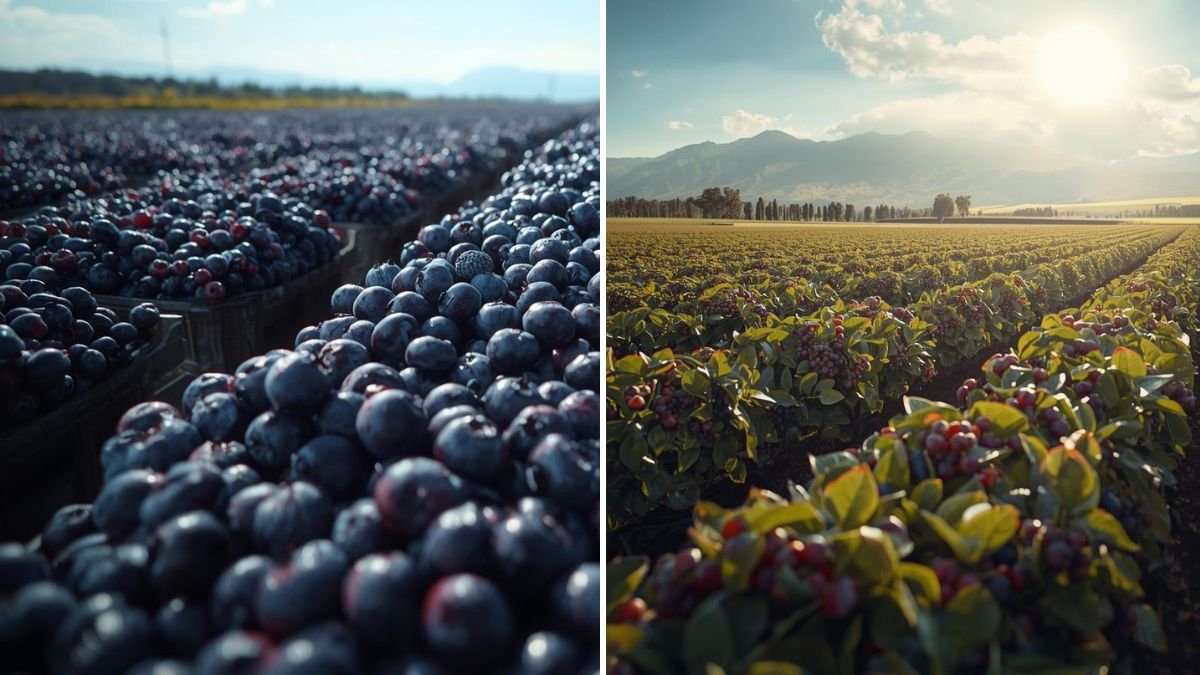
Blueberries have become one of the fastest-growing fruit exports worldwide. They are prized for their nutritional value and versatility. Global demand continues to rise rapidly. Export leadership depends on quality, logistics, and seasonality. Countries invest heavily in blueberry farming. Understanding which country leads exports explains global trade patterns. This article explores the current largest blueberry exporter. Accurate insight reveals why it dominates.
Blueberry Growing and Export Basics
Blueberries require acidic soil and controlled irrigation. Climate conditions affect fruit quality. Harvesting must be timely. Post-harvest handling is critical. Cold chain infrastructure ensures freshness. Export standards are strict. Countries with advanced systems gain advantage. These basics influence export success.
Factors Determining Blueberry Export Leadership
Export volume depends on production scale and efficiency. Quality consistency is essential. Proximity to major markets matters. Trade agreements ease access. Labor availability affects harvesting. Technology improves yield and shelf life. Marketing strategies build reputation. Combined factors shape leadership.
Overview of Major Blueberry Exporting Countries
Peru, Chile, Spain, the United States, and Canada are major exporters. Each has unique strengths. Seasonal differences allow year-round supply. Export volumes vary annually. Infrastructure quality differs. Market focus also varies. Understanding exporters provides context. Competition continues to increase.
Peru: The Largest Blueberry Exporter Currently
Peru is currently the largest blueberry exporter in the world. Favorable climate allows multiple harvests per year. Modern commercial farms boost productivity. Strong investment supports expansion. Export-oriented production dominates the industry. Efficient logistics reduce transit time. Trade agreements support access. These advantages secure Peru’s leadership.
Why Peru Leads Global Blueberry Exports
Peru’s rise is driven by strategic planning. New varieties adapted to local climate were introduced. Large-scale farms increase efficiency. Year-round supply fills market gaps. Competitive costs support growth. Infrastructure development was rapid. Export focus guided expansion. These factors explain Peru’s dominance.
Chile’s Continuing Importance in Exports
Chile remains a major blueberry exporter. Long experience ensures quality. Southern hemisphere season supports exports. Rising costs affect competitiveness. Production growth has slowed. Still, Chile supplies key markets. Its reputation remains strong. Chile remains a top competitor.
Spain’s Role in European Blueberry Markets
Spain is a leading exporter within Europe. Proximity to markets reduces transport time. Quality standards are high. Production focuses on freshness. Seasonal advantages support exports. Infrastructure is well developed. Spain’s role is significant. European demand supports growth.
United States and Canada as Exporters
The United States produces large blueberry volumes. Most supply serves domestic markets. Exports are regional. Canada exports wild blueberries. Quality standards are strict. Seasonal limits restrict volume. North America remains important. Domestic demand absorbs production.
Global Blueberry Export Statistics
Recent data confirms Peru’s leadership. Export volumes are measured annually. Peru exports more than any other country. Chile and Spain follow. Market shares shift slightly each year. Demand continues to grow. Export value rises steadily. Statistics highlight leadership.
Table Global Blueberry Export Comparison
Country Peru Chile Spain United States Export level highest high moderate moderate Primary markets global global Europe regional Seasonal advantage year round seasonal seasonal seasonal
Economic Importance of Blueberry Exports
Blueberry exports generate significant revenue. They support rural employment. Infrastructure investment increases. Packaging and processing add value. Foreign exchange earnings are high. Export success encourages diversification. Economic impact is substantial. Blueberries are a high-value crop.
Quality Standards and Certifications
Export markets require strict certifications. Food safety standards are essential. Traceability builds trust. Exporters invest in compliance. Certification costs can be high. Leading exporters manage standards effectively. Quality consistency supports market access. Compliance is critical.
Challenges Facing Blueberry Exporters
Climate change affects yields. Labor shortages impact harvests. Transport delays risk spoilage. Rising costs reduce margins. Pest management is ongoing. Competition is increasing. Innovation is required. Resilience ensures sustainability.
Sustainability in Blueberry Farming
Water-efficient irrigation is common. Organic production is increasing. Sustainability attracts premium buyers. Environmental responsibility matters. Certification supports eco-friendly branding. Long-term supply depends on sustainability. Exporters adapt practices. Sustainability shapes the future.
Future Outlook for Blueberry Exports
Global demand is expected to grow further. New markets will open. Technology will improve efficiency. Peru is likely to remain dominant. Other exporters will expand. Competition will intensify. Sustainability will guide growth. The future remains strong.
Conclusion: World’s Largest Blueberry Exporter Today
Peru is the largest blueberry exporter in the world currently. Strategic investment and favorable conditions support leadership. Other countries remain important competitors. Global demand continues to rise. Trade dynamics will evolve. Understanding export leaders clarifies market trends. Blueberries remain globally valuable.