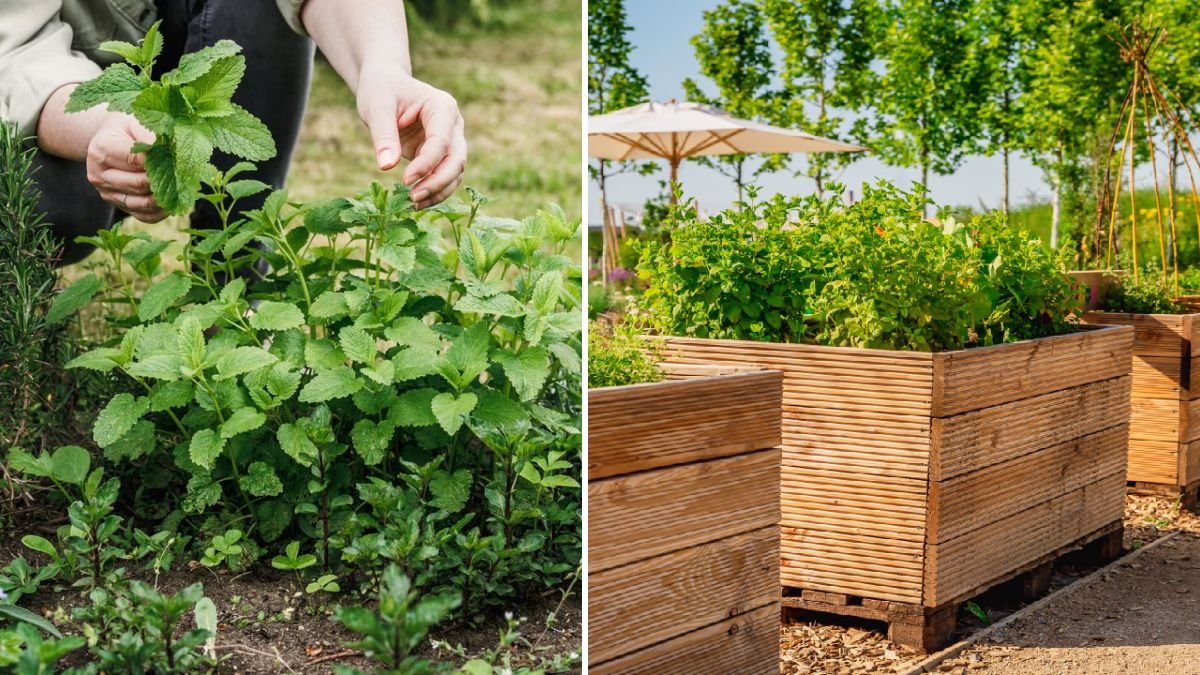
Gardening has evolved tremendously over the years, and today, there are new methods for growing plants that are faster, more efficient, and environmentally friendly. Whether you’re a beginner or an experienced gardener, adopting innovative techniques can help you achieve healthier plants, higher yields, and a more sustainable garden.
In this guide, we will explore modern methods for growing plants, including soil alternatives, propagation techniques, container gardening, hydroponics, and organic practices. By the end, you’ll have the tools to implement these methods and transform your garden into a lush, productive space.
Why Explore New Methods for Growing Plants?
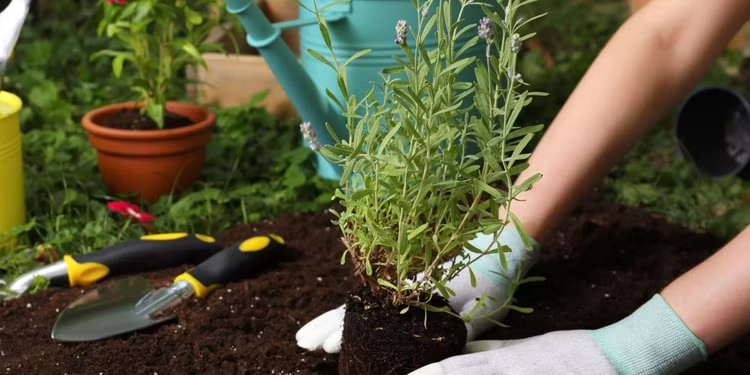
Traditional gardening methods are effective, but new approaches offer several advantages:
- Faster growth: Techniques like hydroponics and air layering allow plants to establish more quickly.
- Higher yields: Optimized methods ensure healthier roots, more flowers, and bigger fruits.
- Space efficiency: Container gardening and vertical gardening maximize limited spaces.
- Sustainability: Many new methods use less water, reduce chemical use, and improve soil health.
- Cost-effectiveness: Once established, innovative techniques can reduce dependency on fertilizers and pesticides.
By embracing new growing methods, you can enjoy a more productive, eco-friendly, and low-maintenance garden.
New Propagation Techniques
Plant propagation is the key to multiplying your favorite plants, and several innovative methods are gaining popularity:
1. Air Layering (Marcottage)
- Involves rooting a branch while it is still attached to the parent plant
- Ensures strong, established plants with high survival rates
- Ideal for fruit trees like mango, guava, lemon, and ornamental plants
Steps:
- Select a healthy branch
- Remove a small ring of bark and apply rooting hormone
- Wrap with moist sphagnum moss and cover with plastic
- After roots appear, cut and plant in soil
2. Grafting and Budding
- Combines two plants to produce desired traits
- Produces disease-resistant, high-yielding plants
- Common in citrus, mango, apple, and rose cultivation
3. Tissue Culture (Micropropagation)
- Laboratory technique for mass propagation of plants
- Produces uniform, disease-free plants
- Used in orchids, bananas, and rare ornamental plants
4. Stem and Leaf Cuttings
- Quick and simple method for both indoor and outdoor plants
- Ensures genetically identical offspring
- Suitable for roses, hibiscus, mint, and aloe vera
These propagation methods allow gardeners to multiply plants efficiently and maintain desired characteristics.
Innovative Growing Media
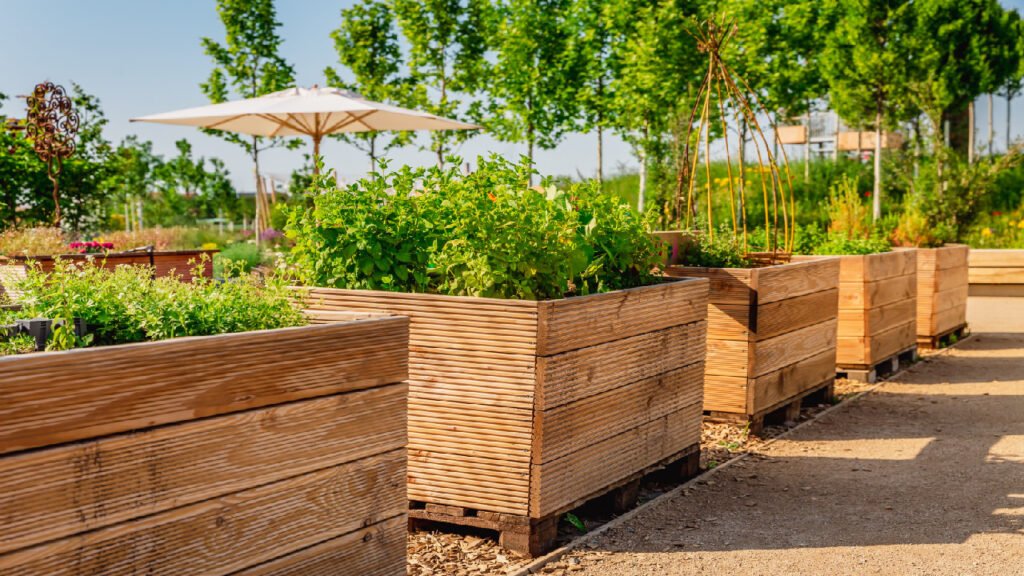
Soil alternatives are becoming popular as they provide better drainage, aeration, and nutrient availability.
1. Cocopeat
- Made from coconut husks, retains moisture well
- Ideal for seed germination and container gardening
2. Vermiculite and Perlite
- Improve aeration and water retention in potting mixes
- Suitable for indoor plants, herbs, and seedlings
3. Hydroponic Media
- Rockwool, clay pellets, and peat-based substrates
- Supports roots in soilless systems, enabling faster growth
Using innovative growing media ensures strong root systems and healthier plants, especially for containers or hydroponic setups.
Modern Cultivation Methods
Modern gardening methods make plant growth faster, easier, and more productive.
1. Hydroponics
- Growing plants in nutrient-rich water without soil
- Suitable for leafy greens, herbs, and vegetables
- Advantages: Faster growth, less water usage, and controlled nutrient supply
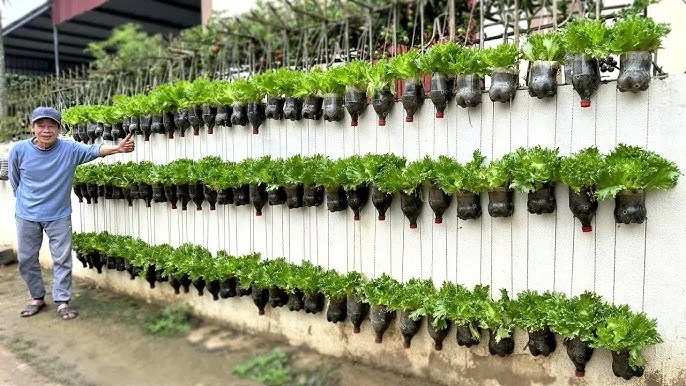
2. Vertical Gardening
- Growing plants in stacked layers or walls
- Maximizes space in small gardens, balconies, or urban areas
- Ideal for herbs, strawberries, and ornamental plants
3. Container Gardening
- Grow plants in pots, drums, or raised beds
- Flexible, portable, and space-efficient
- Perfect for urban spaces and balconies
4. Aquaponics
- Combines hydroponics with fish farming
- Fish waste provides nutrients to plants, creating a self-sustaining ecosystem
- Great for leafy vegetables, herbs, and small fruits
These methods are perfect for gardeners looking to maximize yields and save resources while experimenting with innovative growth techniques.
Organic and Eco-Friendly Techniques
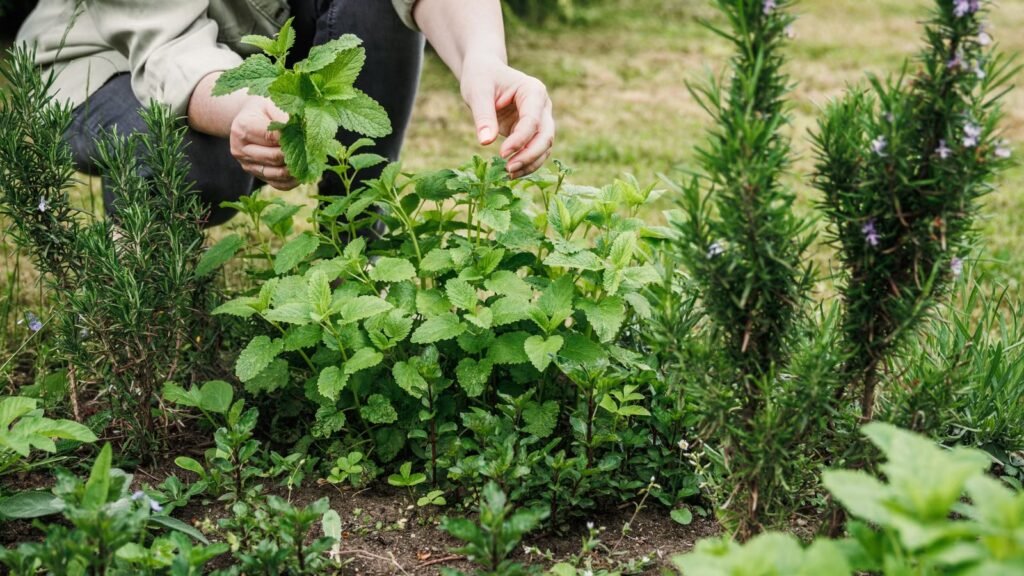
New methods often incorporate organic and sustainable practices for healthier plants and better soil.
1. Organic Fertilizers
- Compost, vermicompost, cow dung, and green manure
- Improve soil structure, fertility, and microbial activity
2. Companion Planting
- Planting compatible species together to reduce pests and improve growth
- Examples: Basil with tomatoes, marigolds with vegetables
3. Mulching
- Using straw, leaves, or biodegradable sheets to retain moisture
- Reduces weeds and improves soil health
4. Integrated Pest Management (IPM)
- Combines biological, mechanical, and chemical control methods
- Minimizes pesticide use while protecting plants
These eco-friendly methods promote sustainable gardening and higher productivity.
Care and Maintenance in Modern Gardening
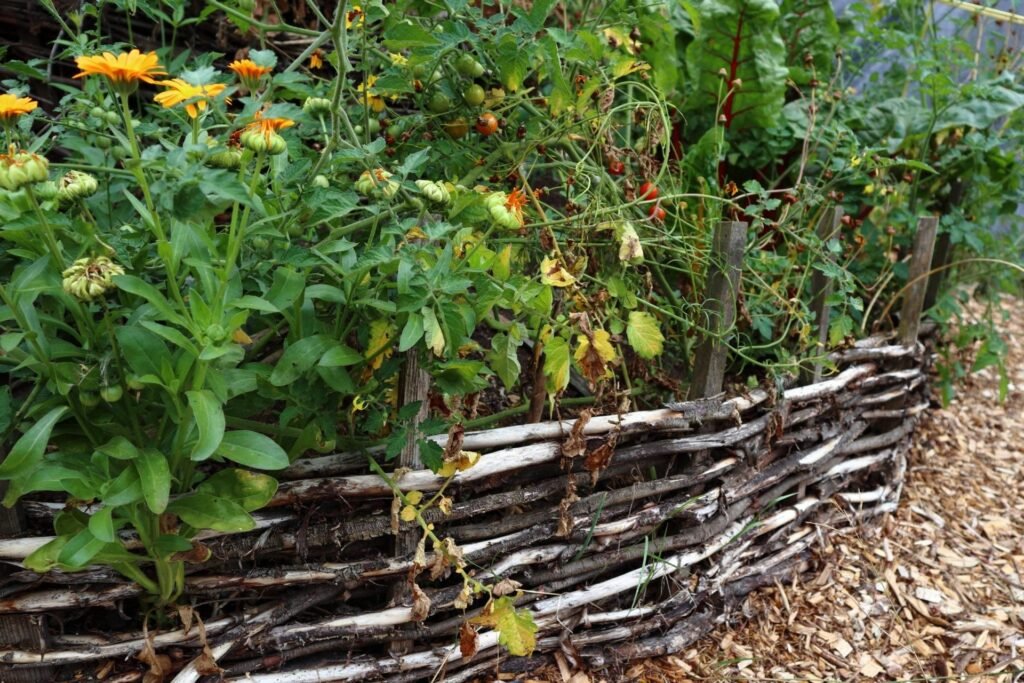
Even with innovative methods, proper care is essential for healthy plant growth:
- Watering: Ensure consistent moisture while avoiding waterlogging
- Sunlight: Provide 6–8 hours of sunlight daily for most plants
- Pruning: Remove dead or crowded branches to improve airflow
- Fertilization: Follow recommended schedules for each plant type
- Pest control: Monitor regularly and apply organic or targeted solutions
Consistent care ensures vibrant, thriving plants with maximum yields.
Advantages of Adopting New Methods
By implementing new methods, gardeners can enjoy:
- Faster plant growth and early harvests
- Higher quality fruits, flowers, and vegetables
- Reduced water and fertilizer consumption
- Space optimization for urban and small gardens
- Minimal chemical usage, supporting eco-friendly practices
- Efficient propagation of favorite or rare plant varieties
These benefits make modern gardening techniques essential for both hobbyists and professional growers.
Tips for Success with New Methods
- Start with a small experiment before scaling up
- Observe and adapt techniques to your local climate and plants
- Invest in quality seeds, saplings, or growing media
- Keep records of growth patterns, fertilization, and harvests
- Combine traditional knowledge with modern methods for best results
Following these tips ensures that your adoption of new growing methods is both successful and sustainable.
Conclusion
The world of gardening is evolving, and new methods for growing plants are transforming the way we cultivate and enjoy greenery. From innovative propagation techniques to hydroponics, vertical gardens, and eco-friendly practices, modern methods provide faster growth, higher yields, and more sustainable solutions.
By embracing these approaches, you can maximize space, improve productivity, and enjoy healthier plants in your garden, balcony, or urban farm. Whether growing vegetables, fruits, herbs, or ornamental plants, these methods empower gardeners to achieve thriving, lush gardens with minimal stress and maximum reward.