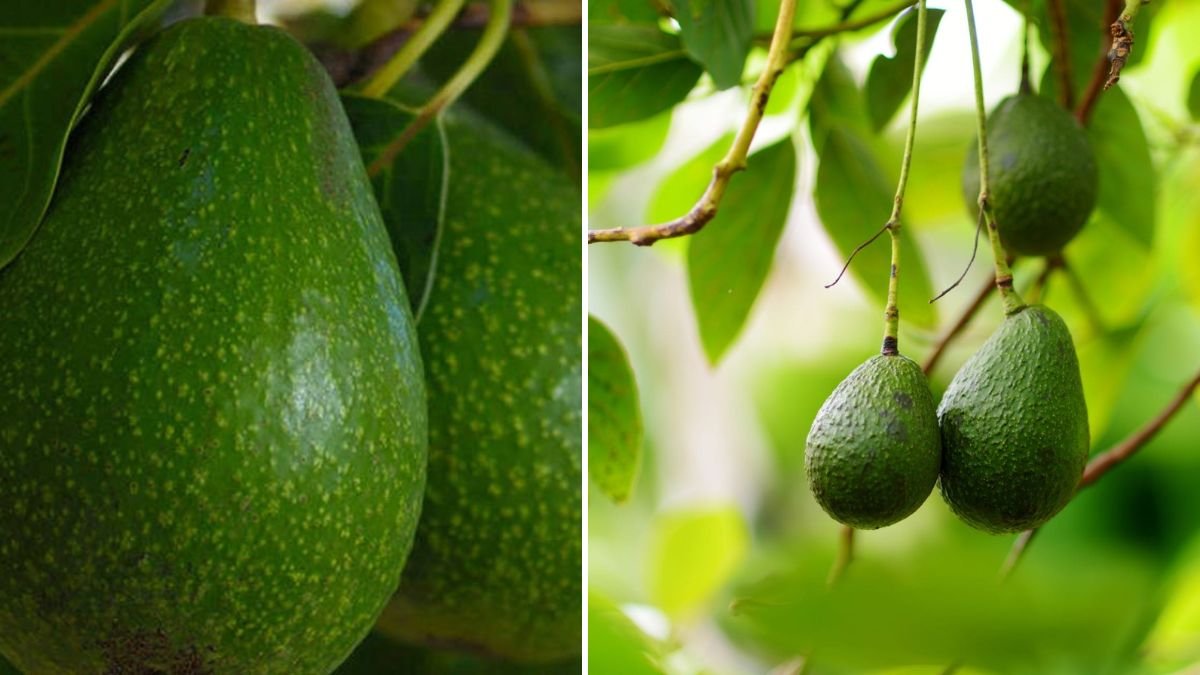
Avocado, known as the “green gold” of fruits, is loved worldwide for its creamy texture, rich flavor, and health benefits. Growing your own avocado tree can be a rewarding experience, whether you have a backyard garden, patio, or even a large container on a balcony. Learning how to grow avocado ensures that you can enjoy fresh, chemical-free fruits right at home.
This comprehensive guide will cover selecting the right variety, planting, watering, fertilizing, pruning, pest management, and harvesting, giving you everything you need for a thriving avocado tree.
Why Grow Avocado Trees at Home?
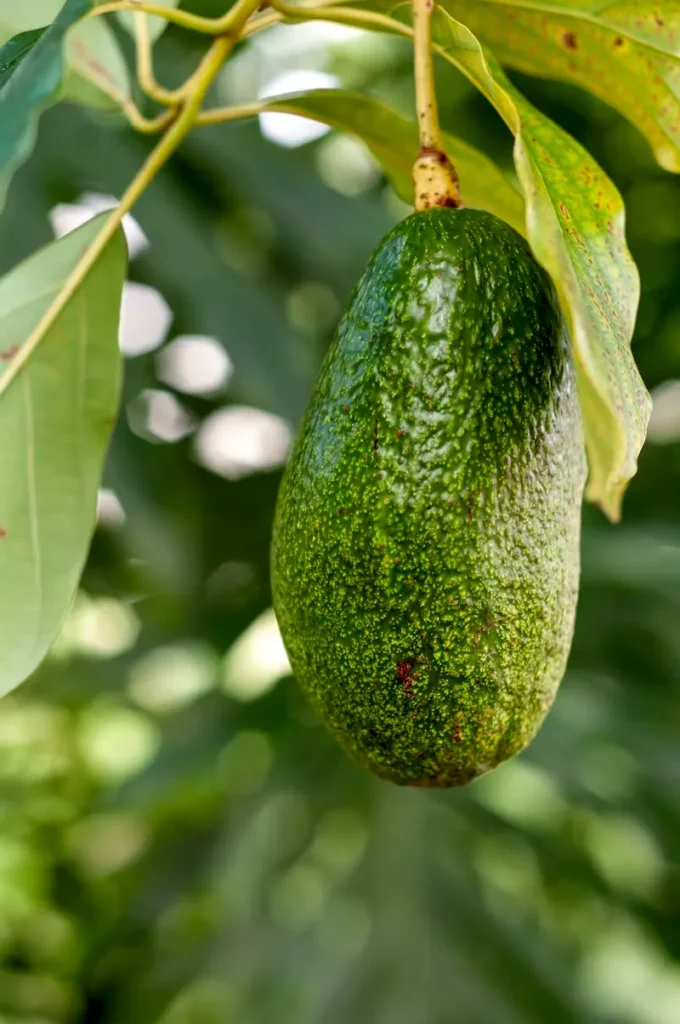
Growing avocado trees offers multiple benefits:
- Fresh and organic fruit: Avoid chemicals and pesticides.
- Nutritional value: Rich in healthy fats, vitamins, and minerals.
- Aesthetic appeal: Avocado trees add greenery and beauty to your garden.
- Cost-effective: Save money by growing your own fruit.
- Sustainable gardening: Avocado trees support pollinators and improve air quality.
Whether for personal consumption or decorative purposes, avocado trees are a valuable addition to any home garden.
Choosing the Right Avocado Variety
Choosing the right variety is key to success, as different types suit different climates and purposes.
1. Hass Avocado
- Most popular commercial variety
- Creamy texture, rich flavor
- Medium-sized tree, suitable for home gardens
2. Fuerte Avocado
- Smooth, buttery texture with mild flavor
- Semi-evergreen; tolerant to cooler climates
3. Bacon Avocado
- Medium-sized fruit with mild flavor
- Cold-hardy, good for temperate regions
4. Reed Avocado
- Large, round fruit
- Suitable for warm climates, ideal for juicing or salads
For container gardening, dwarf or grafted varieties are ideal, as they produce fruits earlier and fit in limited spaces.
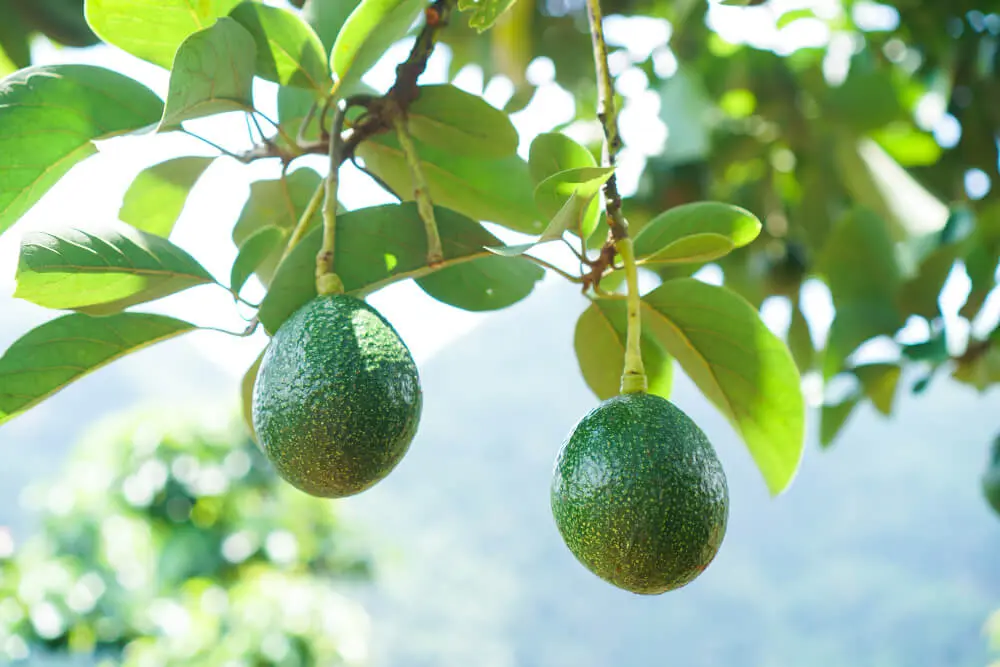
Best Time to Plant Avocado Trees
- Planting season: Spring or early summer, after the last frost
- Optimal temperature: 20–30°C for young plants
- Avoid frost: Young avocado trees are sensitive to cold; frost protection may be required in colder areas
Starting from seeds is possible, but grafted saplings produce fruits faster and reliably.
Soil Requirements
Healthy soil is crucial for avocado trees, as they require well-draining soil to avoid root rot.
Ideal Soil Conditions:
- Type: Sandy loam or loamy soil with good drainage
- pH: Slightly acidic to neutral (6.0–7.0)
- Nutrients: Enrich with compost, organic matter, and well-rotted manure
Soil Preparation Steps:
- Clear the planting area of weeds and debris
- Dig a hole twice the width of the root ball
- Mix compost and organic matter with native soil
- Ensure proper drainage to prevent waterlogging
For container planting, use a mix of garden soil, compost, and sand or cocopeat for optimal drainage and root health.
Planting Avocado Trees
Avocado trees can be grown from seeds or grafted saplings.
1. Growing from Seeds
- Remove and clean the seed from a ripe avocado
- Suspend the seed in water with toothpicks, placing the pointed end up
- Roots and shoots emerge in 2–6 weeks
- Transplant into a pot with well-draining soil once roots are 2–3 inches long
2. Planting Grafted Saplings
- Dig a hole slightly larger than the root ball
- Place the sapling in the hole and backfill with soil
- Water thoroughly to help roots settle
- Space trees 10–15 feet apart in gardens for adequate growth
Grafted saplings are preferred for faster fruiting and stronger disease resistance.
Watering Avocado Trees
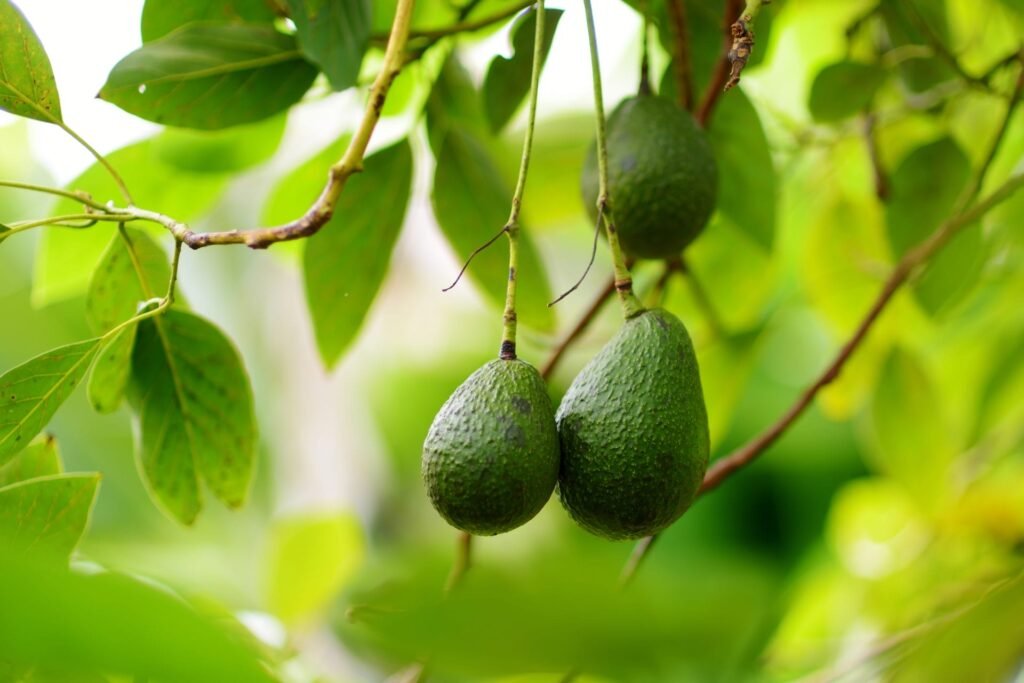
Proper watering is essential for avocado growth, especially during the first few years.
- Young trees: Water 2–3 times per week to maintain soil moisture
- Mature trees: Deep watering once or twice a week, depending on rainfall
- Method: Water at the base to prevent wetting foliage, reducing disease risk
- Mulching: Apply organic mulch around the base to retain moisture and regulate soil temperature
Consistent watering ensures healthy leaves, flowers, and fruit development.
Fertilizing Avocado Trees
Avocado trees are nutrient-demanding, especially during flowering and fruiting.
Recommended Fertilizers:
- Organic: Compost, cow dung, well-rotted manure
- Chemical: Balanced NPK (10:10:10 or 12:12:12)
- Micronutrients: Zinc, magnesium, and iron for strong leaves and fruit set
Fertilization Schedule:
- Young trees: Apply organic fertilizer every 2–3 months
- Flowering stage: Apply nitrogen-rich fertilizer to promote growth
- Fruit-bearing stage: Apply potassium-rich fertilizer for better fruit development
Proper fertilization improves yield, fruit quality, and overall tree health.
Flowering and Pollination
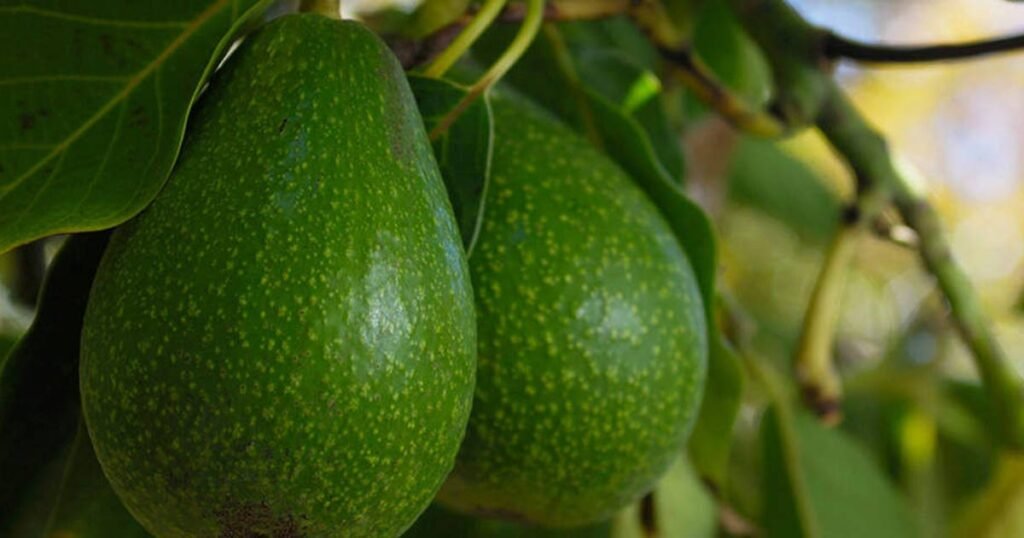
Avocado trees produce small greenish-yellow flowers before fruiting.
- Pollination: Most varieties require cross-pollination for higher yield
- Attract pollinators: Plant companion flowers to attract bees and insects
- Flower care: Remove any diseased or weak flowers to focus energy on strong fruit set
Healthy pollination ensures larger fruits and abundant harvest.
Pruning Avocado Trees
Pruning improves air circulation, sunlight penetration, and tree shape.
- Remove dead, damaged, or crowded branches
- Maintain a balanced canopy for sunlight and airflow
- Shorten overly long branches to encourage lateral growth
Pruning promotes strong structure and higher fruit production.
Pests and Disease Management
Avocado trees can face common pests and diseases.
Pests:
- Aphids, mites, and leafhoppers: Use neem oil or insecticidal soap
- Thrips: Spray with horticultural oils or natural remedies
Diseases:
- Root rot (Phytophthora): Ensure proper drainage and avoid waterlogging
- Anthracnose: Fungicide treatment and removal of infected fruits
- Powdery mildew: Maintain good airflow and treat with sulfur-based fungicide
Regular monitoring ensures healthy, productive trees.
Harvesting Avocados
- Avocado fruits typically take 6–12 months to mature after flowering, depending on variety
- Harvest when fruits reach full size and slightly soft to the touch
- Avoid picking too early, as unripe avocados may not ripen properly
- Gently twist or cut fruits to avoid damaging branches
Proper harvesting encourages continuous flowering and fruiting in the following season.
Growing Avocados in Containers
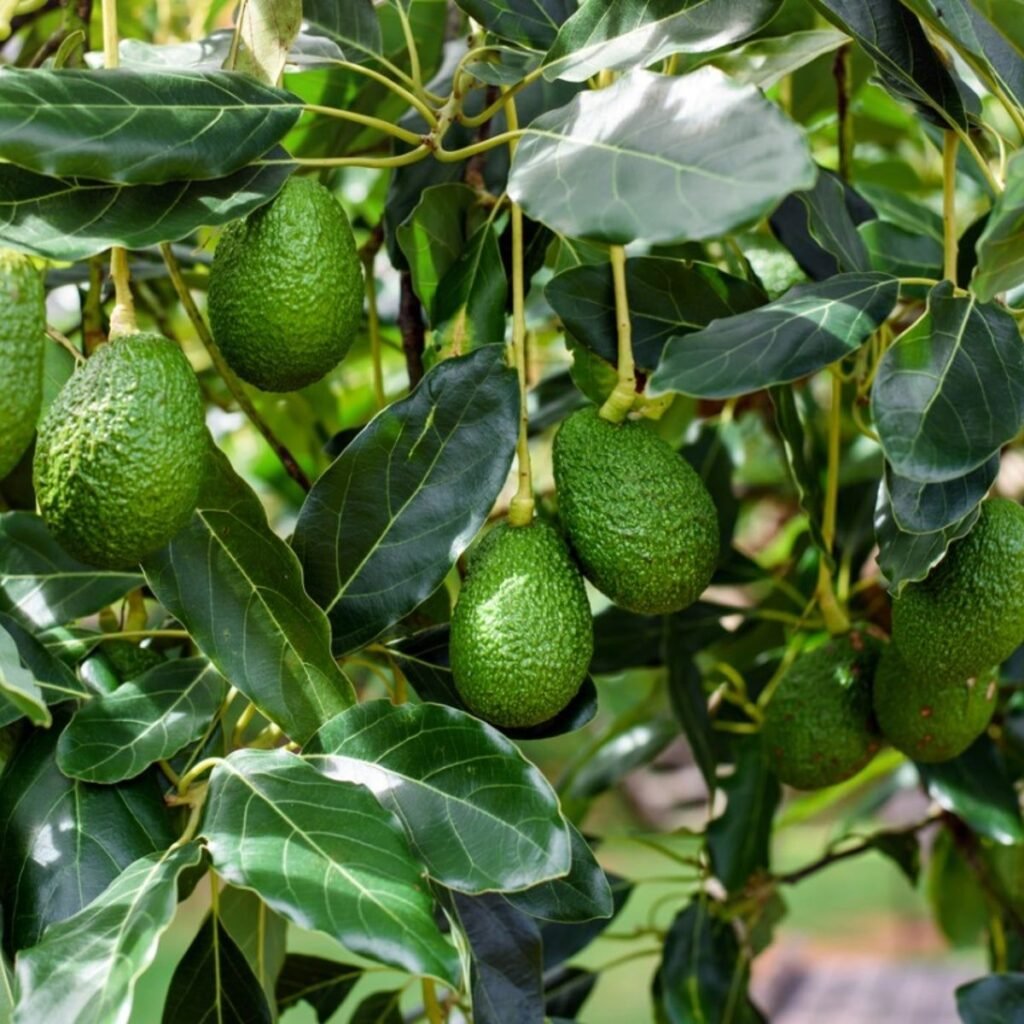
Avocados can thrive in large containers, making them ideal for small spaces or balconies.
- Pot size: Minimum 25–30 liters for dwarf or young varieties
- Soil mix: Garden soil + compost + sand/cocopeat
- Sunlight: Full sun for at least 6–8 hours daily
- Watering: Keep soil consistently moist but well-drained
- Support: Use a stake for young trees to prevent bending
Container-grown avocados are perfect for urban gardening and limited space.
Tips for Higher Yield and Healthier Avocados
- Choose grafted saplings for faster fruiting
- Maintain consistent watering and fertilization schedules
- Mulch around the base to retain moisture and regulate temperature
- Prune regularly to remove weak or crowded branches
- Protect flowers and young fruits from pests and environmental stress
- Ensure cross-pollination by planting compatible varieties nearby
Following these tips ensures juicy, creamy, and high-yield avocados.
Conclusion
Growing avocado trees at home is a rewarding and sustainable gardening practice. With proper care, soil preparation, watering, fertilization, pruning, and pest management, anyone can cultivate healthy, productive avocado trees.
Whether planting in a backyard, garden, or large container, providing consistent attention and patience will result in fresh, chemical-free, nutrient-rich avocados for years to come. Start today, and experience the joy of homegrown avocado fruits and a thriving green space.