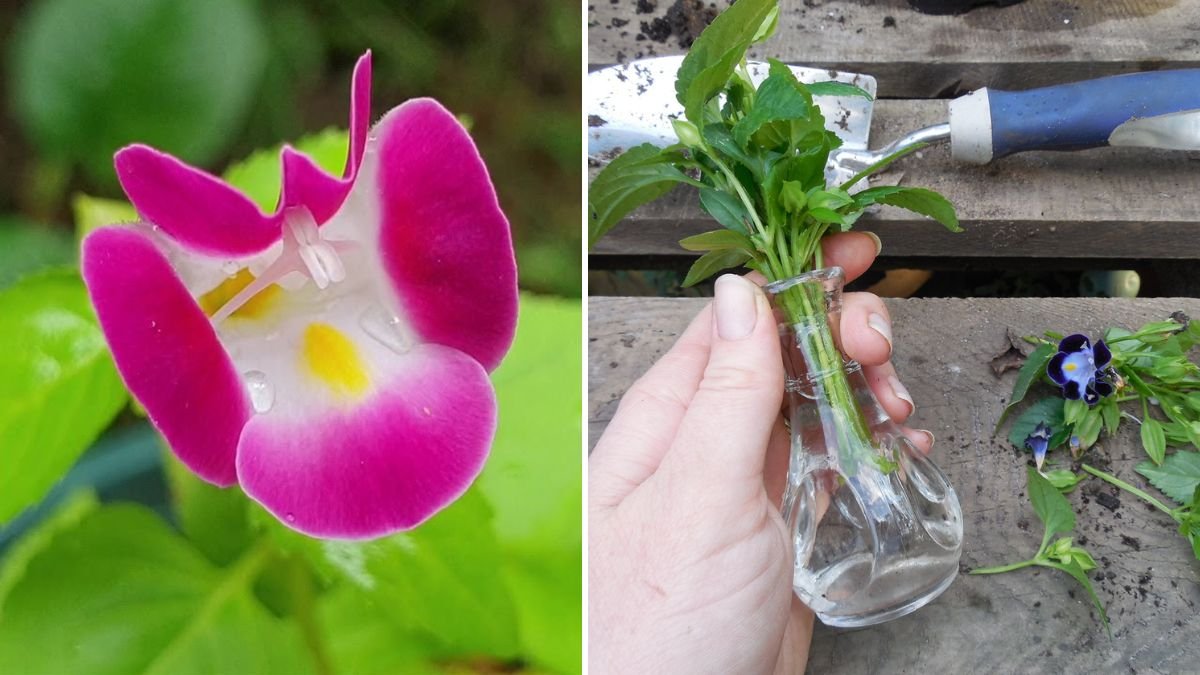
Propagation is one of the most exciting and rewarding activities in gardening. It allows you to multiply your favorite plants, preserve rare species, and create a beautiful, lush garden without constantly buying new plants. Whether it’s flowering plants, fruits, or ornamental greenery, learning how to propagate gives you the tools to expand your garden efficiently and cost-effectively.
This comprehensive guide will explore various methods of plant propagation, step-by-step instructions, care tips, and common mistakes to avoid. By the end, you’ll be ready to propagate a wide variety of plants and enjoy the satisfaction of growing them from scratch.
Why Propagate Plants?
Plant propagation offers multiple benefits:
- Cost-effective: Produce new plants without spending on nursery purchases
- Preserve rare or favorite plants: Keep your favorite species alive
- Faster growth: Propagated plants often grow faster than starting from seeds
- Garden expansion: Multiply plants to cover larger spaces or create hedges
- Therapeutic activity: Propagation is a relaxing and rewarding hobby
By mastering propagation, you gain control over your garden and can enjoy a continuous supply of plants for decoration, food, or landscaping.
Types of Plant Propagation
Propagation can be achieved in multiple ways depending on the plant type and your resources.
1. Seed Propagation
- Seeds are the most common method for annual plants and vegetables
- Advantages: Simple, produces many plants, preserves genetic diversity
- Ideal for: Tomatoes, marigolds, sunflowers, chilies, and cucumbers
2. Stem Cutting
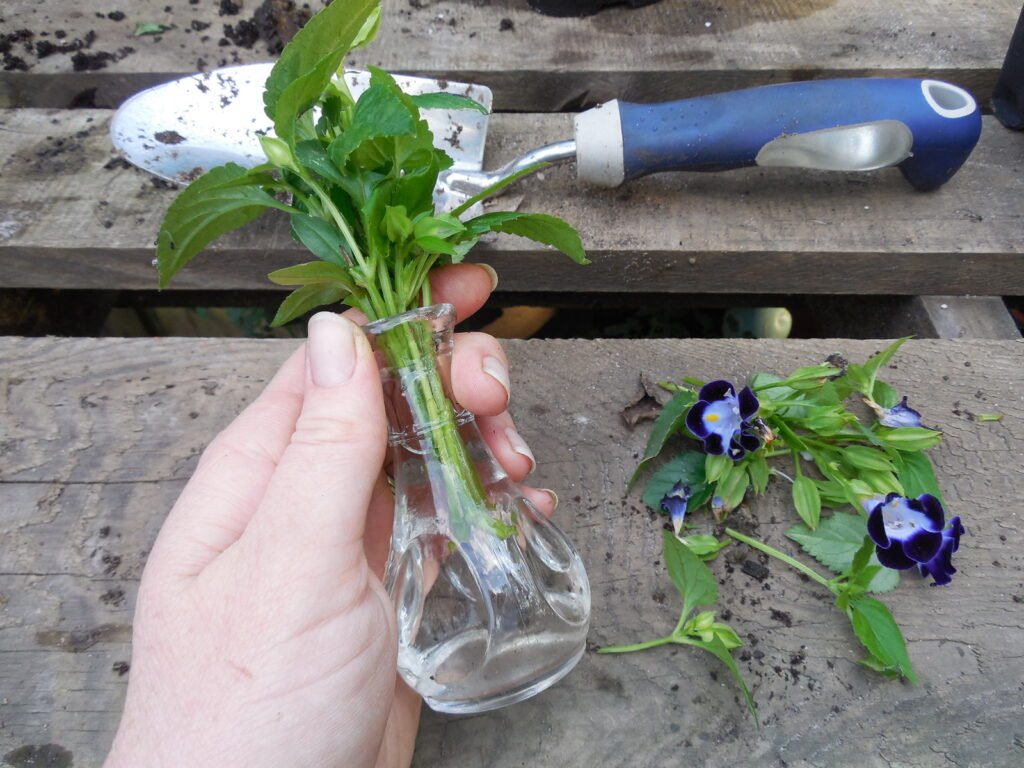
- Involves cutting a piece of stem and encouraging it to grow roots
- Advantages: Produces a plant identical to the parent, fast results
- Ideal for: Roses, hibiscus, guava, lemon, and mint
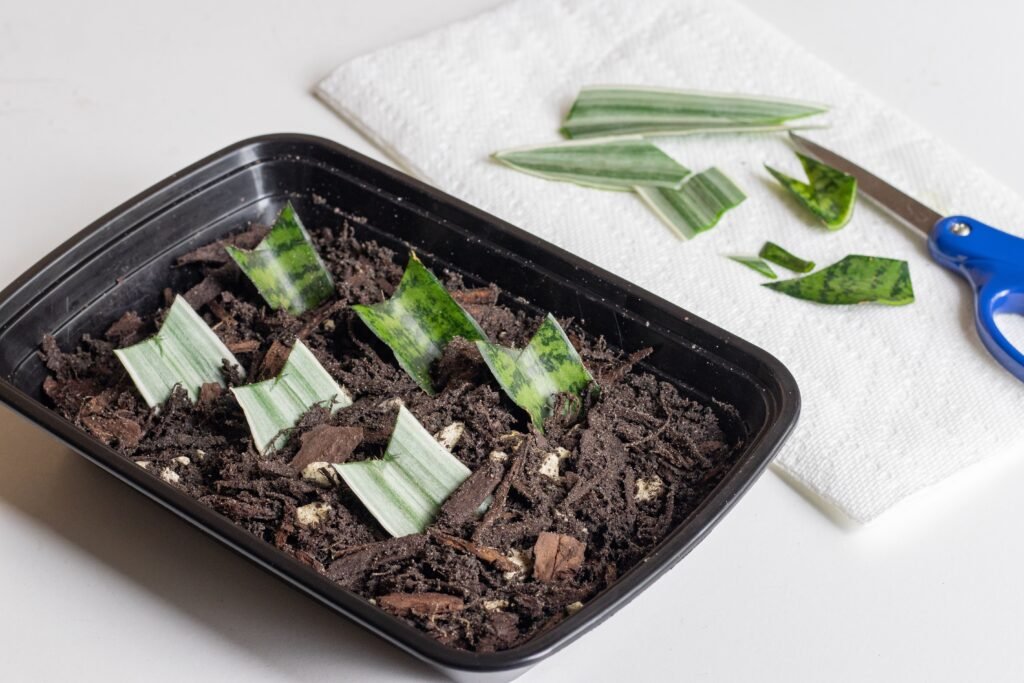
3. Leaf Cutting
- Some plants, especially succulents, grow from a single leaf
- Advantages: Easy, small space requirement, low cost
- Ideal for: Aloe vera, jade plant, kalanchoe
4. Root Cutting
- Sections of roots can develop into new plants
- Advantages: Efficient for plants that grow vigorously from roots
- Ideal for: Sweet potato, raspberry, dahlia
5. Air Layering (Marcottage)
- Involves rooting a branch while it is still attached to the parent plant
- Advantages: High success rate, strong plant development
- Ideal for: Mango, guava, citrus, and ornamental trees
6. Grafting and Budding
- Joining a scion (upper part) to a rootstock for superior traits
- Advantages: Produces desired traits, disease-resistant plants
- Ideal for: Citrus, apple, mango, and rose
Step-by-Step Guide: Propagating Plants from Stem Cuttings
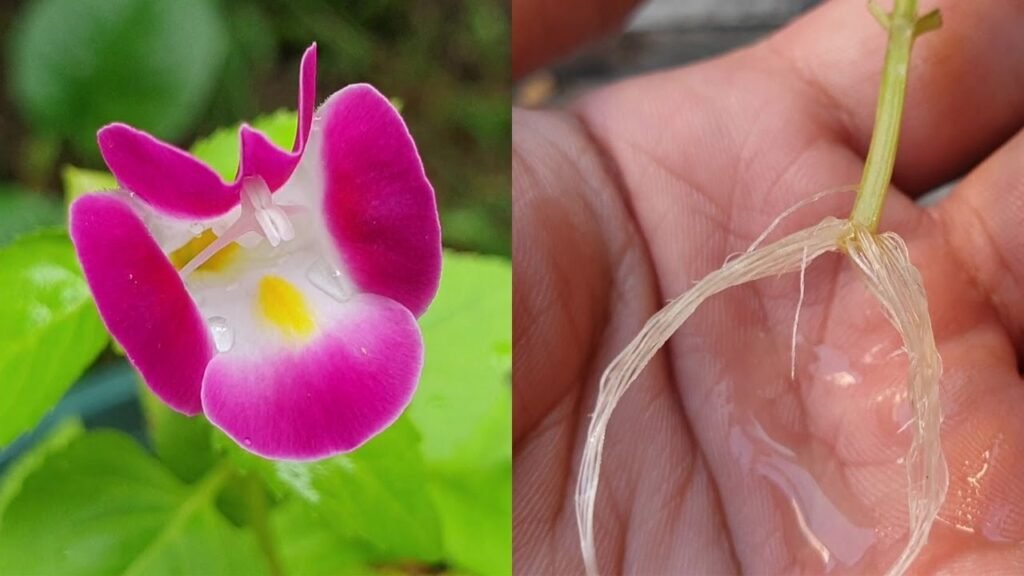
Stem cutting is one of the most popular and versatile propagation methods.
Materials Needed:
- Healthy parent plant
- Sharp, sterilized scissors or knife
- Rooting hormone (optional)
- Pot with well-draining soil
- Plastic bag or humidity dome
Steps:
- Select the Cutting:
- Choose a healthy, disease-free stem
- Length: 4–6 inches with at least 2–3 leaves
- Prepare the Cutting:
- Remove lower leaves to expose nodes
- Dip the cut end in rooting hormone for faster root growth
- Plant the Cutting:
- Insert 1–2 inches into moist, well-draining soil
- Firm the soil gently around the base
- Create a Humid Environment:
- Cover with a plastic bag or humidity dome to prevent moisture loss
- Keep in indirect sunlight
- Watering and Care:
- Water regularly to keep soil moist but not waterlogged
- Roots typically develop in 2–4 weeks depending on the plant type
Air Layering: Propagation for Woody Plants
Air layering is excellent for trees and shrubs that are difficult to propagate through cuttings.
Materials Needed:
- Healthy branch
- Sharp knife
- Sphagnum moss
- Plastic wrap or polyethylene sheet
- Twine or tape
Steps:
- Select a Branch: Choose a healthy, semi-hardwood branch
- Make a Cut: Remove a small ring of bark (1–2 inches) to expose the cambium
- Apply Moist Moss: Wrap the exposed area with damp sphagnum moss
- Cover: Secure moss with plastic wrap and tie with string
- Wait for Roots: Roots develop in 4–8 weeks; check periodically
- Separate and Plant: Once roots are visible, cut the branch and plant in soil
Air layering ensures strong, established plants ready for transplanting.
Seed Propagation: Starting from Scratch
Growing plants from seeds is ideal for vegetables, herbs, and annual flowers.
Steps:
- Select Quality Seeds: Choose fresh seeds from trusted sources
- Prepare Seed Tray or Pots: Use a mix of compost and sand for good drainage
- Sow Seeds: Follow depth instructions on the packet; cover lightly with soil
- Water and Maintain Moisture: Keep soil damp; avoid overwatering
- Provide Light: Place in indirect sunlight or under grow lights
- Transplant Seedlings: Once seedlings have 2–3 true leaves, transplant to garden or pots
Seed propagation is cost-effective and rewarding, producing numerous plants for your garden.
Tips for Successful Plant Propagation
- Choose Healthy Parent Plants: Disease-free and vigorous plants produce the best cuttings or seeds
- Use Clean Tools: Sterilized scissors or knives prevent infections
- Maintain Moisture: Roots cannot develop in dry conditions
- Provide Indirect Sunlight: Young cuttings and seedlings are sensitive to direct sunlight
- Patience is Key: Root development and growth may take weeks to months
- Monitor for Pests and Diseases: Remove affected areas promptly
Common Mistakes to Avoid
- Using unhealthy or weak parent plants
- Overwatering or underwatering cuttings
- Exposing cuttings to harsh sunlight
- Neglecting humidity during early root formation
- Planting too deep or too shallow in soil
- Not checking for pests or fungal infections
Avoiding these mistakes improves your success rate significantly.
Conclusion: Multiply Your Garden with Ease
Learning how to propagate plants opens a world of possibilities for gardeners, whether you are growing flowers, fruits, vegetables, or ornamental plants. By understanding different propagation methods—seeds, stem cuttings, leaf cuttings, root cuttings, air layering, or grafting—you can multiply your favorite plants efficiently and cost-effectively.
Propagation is not only a practical gardening skill but also a rewarding hobby. Watching a new plant grow from a small cutting, seed, or branch gives immense satisfaction and confidence. Start experimenting with one or two propagation methods, and soon you’ll have a thriving garden full of healthy, vibrant plants multiplied through your own hands.