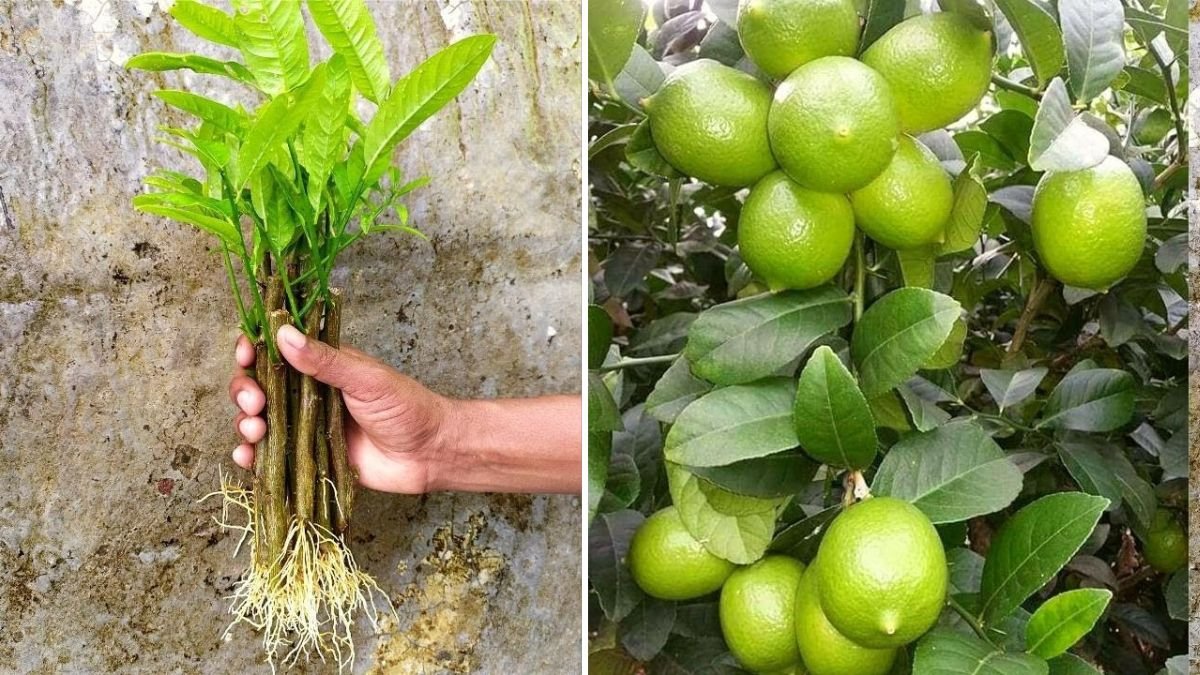
Lemon trees are among the most rewarding fruit trees you can grow in your garden or even on a balcony. They offer fragrant blossoms, glossy green leaves, and of course, bright yellow fruits that are rich in vitamin C and bursting with flavor. Whether you enjoy lemons in your tea, cooking, or homemade juices, having your own lemon tree is a wonderful addition to your home garden.
One of the most exciting aspects of growing lemon trees is that you don’t always need to buy a new plant—you can propagate your own plants using simple and effective horticultural techniques. Lemon propagation allows you to multiply healthy plants and grow them exactly the way you want. This guide will walk you through the most successful propagation methods, essential steps, expert tips, and common mistakes to avoid.
What Is Lemon Propagation?
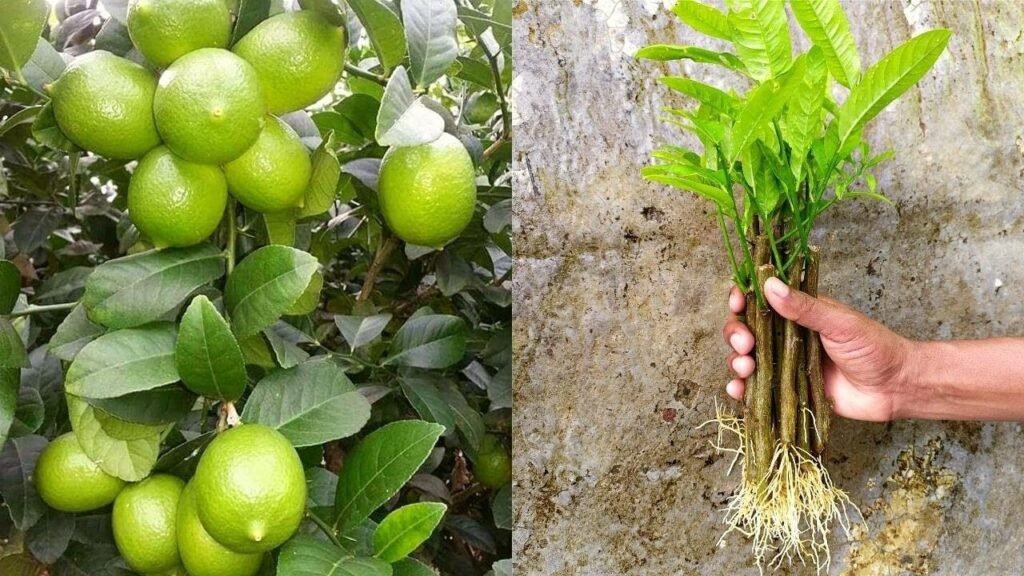
Propagation refers to the process of creating new lemon plants from existing ones. Instead of planting seeds—which often produce unpredictable and slow-growing plants—propagation uses plant parts such as cuttings, air-layered branches, or grafts to develop new trees.
The goal is to produce lemon plants that:
- Grow faster
- Bear fruit earlier
- Maintain the characteristics of the parent tree
- Resist diseases
- Thrive in home garden conditions
Propagated lemon plants retain all the genetic qualities of the mother plant, giving you the same fruit flavor, size, aroma, and overall tree vigor.
Why Propagation Is Better Than Growing from Seeds
Many gardeners assume that lemon seeds are the easiest way to grow a plant, but this method comes with major drawbacks:
- Seed-grown plants take 5–8 years to fruit
- They may not resemble the parent lemon variety
- Fruit size, taste, and productivity are unpredictable
- Some seeds are sterile or produce weak seedlings
In contrast, propagated plants—especially from cuttings or air layering—begin fruiting faster and stay true to type.
Most Effective Methods of Lemon Propagation
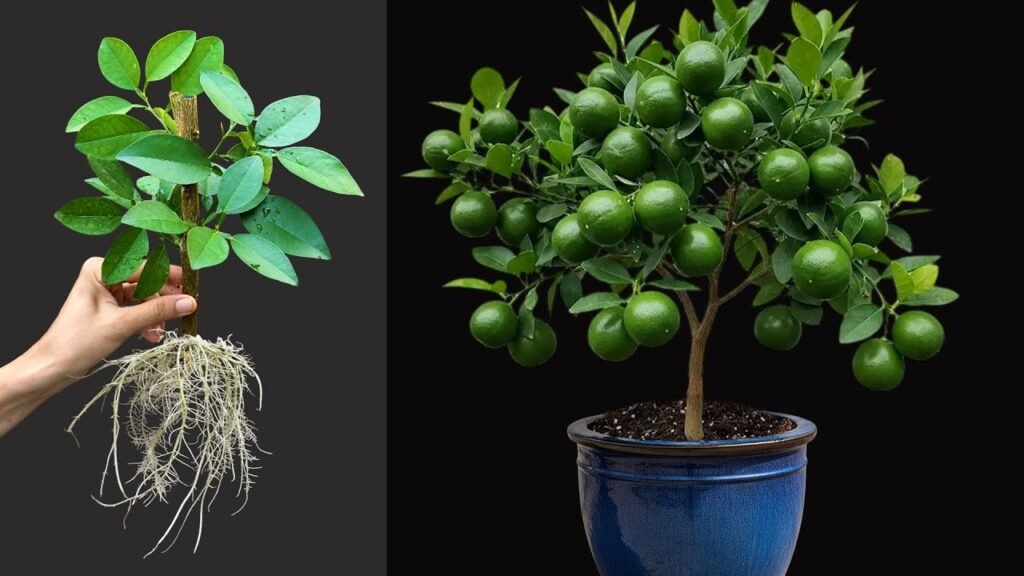
There are four main methods you can use:
- Stem cuttings (most popular and beginner-friendly)
- Air layering (high success rate, strong plants)
- Grafting (professional technique for fruit quality)
- Seed propagation (least reliable, mainly for experimentation)
Each method has its purpose, and choosing the right one depends on your goals. Let’s explore them in detail.
Method 1: Propagating Lemon from Stem Cuttings (Simple & Reliable)
Stem cuttings remain the most widely used method for propagating lemons at home. It is easy, requires minimal equipment, and works well even for new gardeners.
Materials Needed
- Healthy, disease-free lemon branch
- Sharp pruning shears
- Rooting hormone
- Small pot
- Well-draining soil mix (cocopeat + perlite or sand + compost)
- Plastic bag or humidity dome
Step-by-Step Guide
1. Choose a Healthy Branch
Select a semi-hardwood branch (not too young, not too old), around 6–8 inches long. It should bend slightly but not snap easily.
2. Make a Clean Cut
Cut just below a node (the point where leaves attach). Remove leaves from the lower half of the cutting.
3. Dip in Rooting Hormone
This step is optional but dramatically increases success. The hormone induces faster root development.
4. Plant the Cutting
Place the cutting in a small pot filled with light, well-draining soil. The soil must stay moist but not waterlogged.
5. Provide Humidity
Cover the pot with a transparent plastic bag. Humidity prevents the cutting from drying out before roots form.
6. Keep in Indirect Sunlight
Cuttings are sensitive to heat. Indirect light ensures healthy root growth.
7. Wait and Monitor
Roots start forming in 3–6 weeks. Gently pull the cutting to check if it resists—this indicates rooting.
8. Transplant
After 8–10 weeks, you can transfer the rooted plant to a larger pot or your garden soil.
Method 2: Air Layering — The Most Successful Propagation Technique
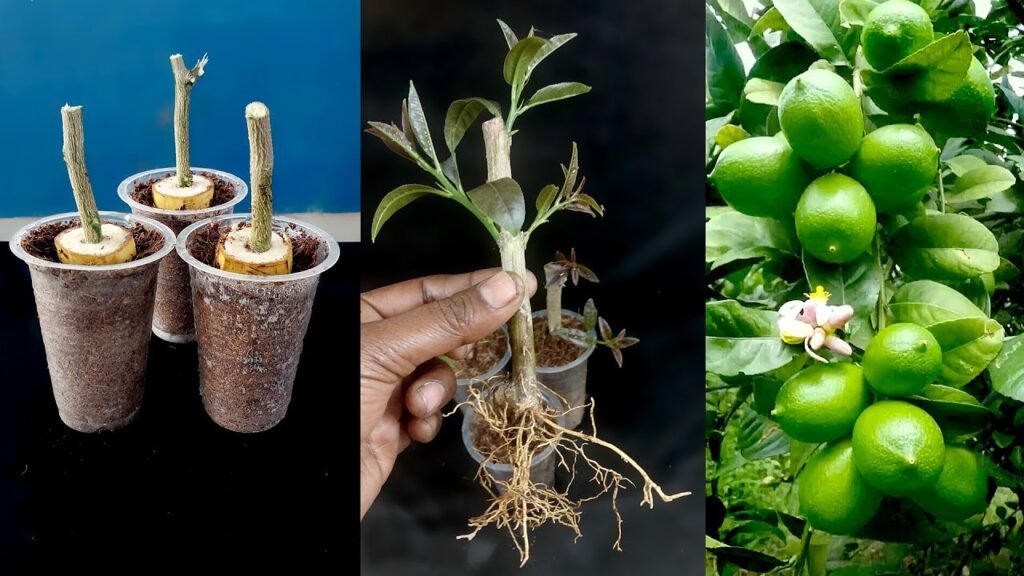
Air layering is one of the most trusted techniques used by professionals. It produces strong plants because roots form while the branch remains attached to the parent tree.
Why Air Layering Works So Well
- Plants root faster
- New roots develop while receiving nutrients
- High success rate
- Produces mature, ready-to-grow plants
Materials Needed
- Sharp knife
- Sphagnum moss or cocopeat
- Plastic wrap
- Rooting hormone
- Rubber bands or twine
Steps for Air Layering Lemon Trees
1. Select a Thick, Healthy Branch
Choose a branch roughly the width of your finger.
2. Remove the Bark (Ring Method)
Cut a ring of bark 1 inch wide around the branch, exposing the inner wood.
3. Apply Rooting Hormone
This encourages rapid root formation.
4. Wrap with Moss
Soak sphagnum moss and wrap it around the exposed area.
5. Seal with Plastic
Cover the moss tightly with plastic wrap to maintain moisture.
6. Wait for Root Formation
Roots appear in 4–8 weeks, depending on weather conditions.
7. Cut and Plant
Once you see a thick root ball, cut the branch below the wrap and pot it.
Method 3: Grafting — Professional Method for Superior Quality
Grafting is commonly used in nurseries to combine the strengths of two plants:
- Rootstock: strong, disease-resistant base
- Scion: branch from a desired lemon variety
Grafting ensures:
- Uniform, high-quality fruits
- Faster fruiting
- Durable and long-living plants
The most used grafting styles for lemon include:
- T-budding
- Cleft grafting
- Whip-and-tongue grafting
This method requires practice but offers exceptional results.
Method 4: Lemon Propagation from Seeds (Least Reliable)
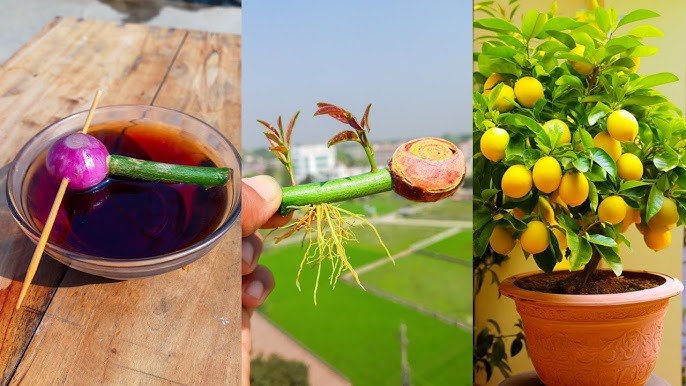
Seed propagation is the slowest and least predictable method. Seed-grown lemon trees:
- Take years to fruit
- Do not remain true to type
- May yield small, sour, or inferior lemons
However, growing lemons from seeds can be fun for beginners—and the seedlings can later be used as rootstock for grafting.
Best Conditions for Lemon Propagation
To ensure high success rates, provide the following:
Light
Bright but indirect sunlight is ideal.
Temperature
Optimum range: 22–30°C
Humidity
Cuttings root best when humidity is above 60–70%.
Soil
Use a soil mix that drains well to avoid root rot:
- Cocopeat
- Perlite
- Sand
- Compost
Watering
- Keep soil moist, not soggy
- Avoid overwatering young cuttings
Common Mistakes to Avoid
Avoid these mistakes to ensure higher success:
- Using weak or diseased cuttings
- Overwatering the soil
- Exposing cuttings to strong sunlight
- Using a heavy soil mix
- Not providing enough humidity
- Forgetting to sterilize your tools
- Leaving leaves on the lower part of the cutting
- Removing the humidity cover too early
Correcting these mistakes greatly improves rooting percentage.
Caring for Your Newly Propagated Lemon Plants
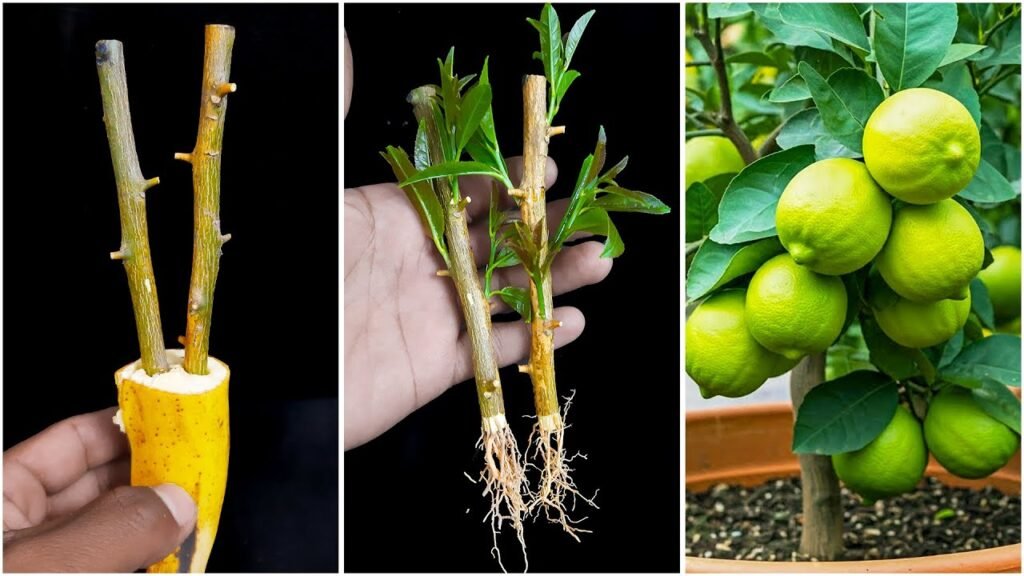
Once the plant establishes roots, follow these steps:
Gradual Sun Exposure
Move the plant into sunlight slowly over a week. Balanced Watering
Maintain consistent moisture but avoid waterlogging.
Fertilizing
After 6–8 weeks, use:
- Diluted liquid fertilizer
- Organic compost
- Slow-release citrus fertilizer
Pruning
Prune lightly to promote branching and a strong structure.
🪴 Transplanting
After 2–3 months, move the plant to its permanent location.
Conclusion: Start Propagating and Enjoy an Endless Supply of Lemons
Propagating lemon trees is not only practical but also incredibly rewarding. Whether you choose the simplicity of stem cuttings, the reliability of air layering, or the professional efficiency of grafting, each method allows you to grow high-quality lemon trees at home.
With the right technique, proper care, and a little patience, you can enjoy strong, healthy plants that produce delicious lemons year after year. Lemon propagation is a skill that improves with practice—and once you master it, your home garden can flourish with vibrant, productive citrus trees.
Start today with one simple cutting, and in no time, you’ll have your own thriving lemon orchard!