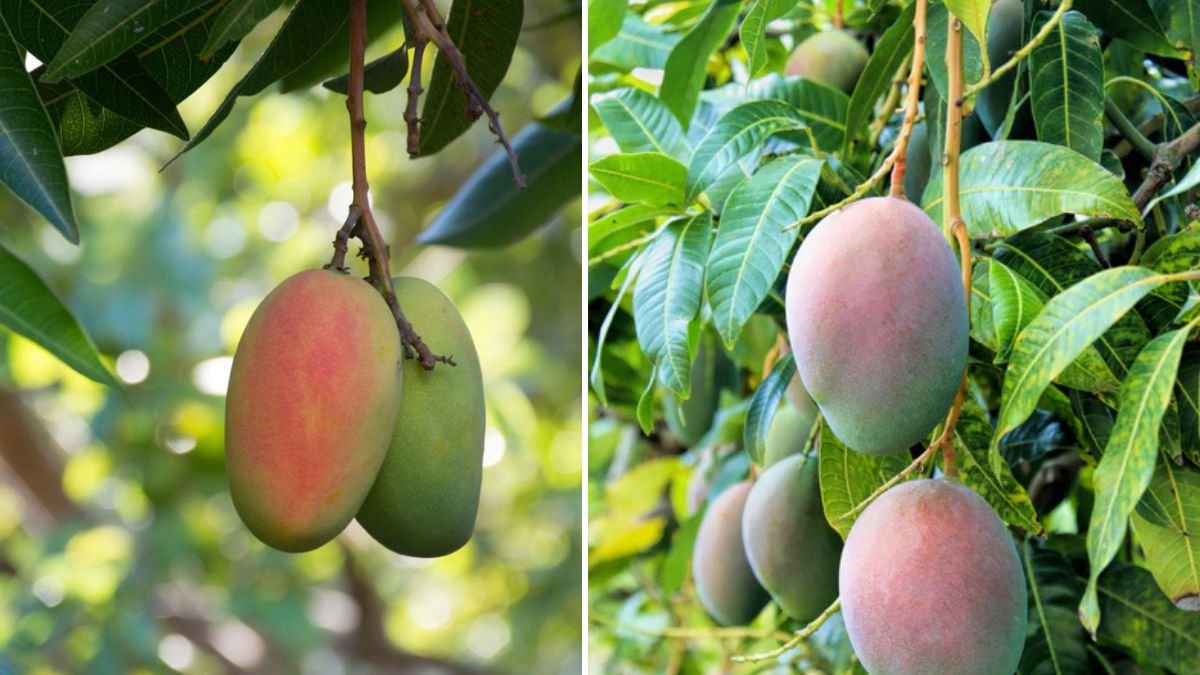
Mangoes are often called the “king of fruits,” and for good reason. Their sweetness, aroma, and rich flavor make them one of the most loved fruits across the world. Whether you grow mangoes commercially or simply enjoy gardening at home, one technique stands out for producing strong, high-quality trees: mango tree grafting.
Grafting is a horticultural method that joins two plant parts—the rootstock and the scion—to grow a new tree that combines the strengths of both. This technique helps gardeners create mango trees that produce better fruits, grow faster, resist diseases, and remain more durable than trees grown from seeds.
In this article, we will explore everything you need to know about mango grafting—from the basics and techniques to expert tips and common mistakes. By the end, you’ll understand why grafting is the most reliable way to grow premium mango trees and how you can apply it at home.
What Is Mango Tree Grafting?
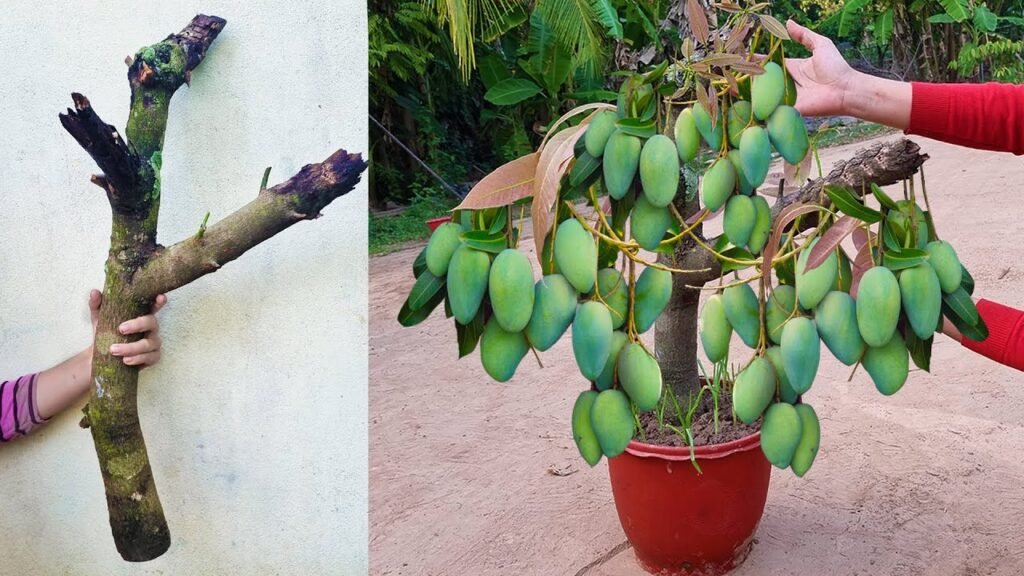
Grafting involves connecting a scion (a young shoot from a desirable mango variety) to a rootstock (a hardy seedling that provides a strong root system). Once the tissues unite, they grow together and form a single plant.
This technique allows gardeners to:
- Preserve the exact characteristics of a favorite mango variety
- Achieve fruiting in 2–3 years instead of 6–10
- Improve disease resistance
- Grow trees with stronger trunks
- Increase fruit size and quality
Unlike seed-grown trees, grafted mango trees remain true to the parent variety, ensuring consistent taste and productivity.
Why Grafting Is Essential for Mango Cultivation
Growing mango trees from seeds may seem easy, but there are several drawbacks:
- Seedlings produce unpredictable fruit quality
- Fruit may take many years to appear
- Trees often grow uneven or weak
- Flavor and shape vary widely
Grafting solves these problems by combining:
- The strength and resilience of the rootstock
- The fruit quality and traits of the scion
Thus, grafting is the preferred method used by nurseries, fruit farmers, and serious gardeners.
Common Mango Grafting Methods
Several grafting techniques work well for mango trees. The most popular ones include:
- Cleft Grafting
- Approach Grafting
- Side Grafting
- Tongue Grafting
Among these, cleft grafting and side grafting are most widely used due to simplicity and high success rate.
Let’s explore the two best beginner-friendly methods.
Method 1: Cleft Grafting (Highly Reliable and Beginner-Friendly)
Cleft grafting is ideal for young mango plants (6–12 months old) with a thick stem.
Materials Needed
- Sharp grafting knife
- Healthy scion (4–6 inches long)
- Young rootstock
- Grafting tape or plastic wrap
- A rubber band
- Rooting hormone (optional)
Steps for Cleft Grafting
- Select a Healthy Rootstock
Choose a seedling with a stem diameter of 1–2 cm. - Make a Clean Cut
Cut the rootstock vertically in the middle to form a “cleft.” - Prepare the Scion
Cut the base of the scion into a wedge shape. - Insert the Scion Into the Cleft
Place the scion firmly so the cambium layers contact each other. - Tie and Seal
Wrap the graft with tape to secure it and prevent drying. - Provide Shade and Moisture
Keep the plant in indirect sunlight. - Wait for Healing
Union forms in 2–3 weeks.
Leaves sprout in 4–6 weeks.
✅ Advantages of Cleft Grafting
- Easy to learn
- Works with thicker rootstocks
- High success rate
- Strong union
Method 2: Side Grafting (Simple & Effective)
Side grafting is best for younger plants with thinner stems.
Materials Needed
- Grafting knife
- Scion
- Rootstock
- Grafting tape
Steps for Side Grafting
- Cut a Slant on the Side of Rootstock
Make a 2–3 cm downward sloping cut. - Prepare Scion With Matching Slant
Shape the scion to match the rootstock cut. - Join Scion and Rootstock
Fit them together so both surfaces touch. - Secure With Tape
Wrap tightly but not too tight. - Keep in Shade
Protect from direct sun until healing completes. - Monitor Growth
Buds will sprout within a month.
✅ Reasons Gardeners Love Side Grafting
- Very simple
- High success even for beginners
- Less damage to rootstock
Choosing the Best Scion for Mango Grafting
The scion determines:
- Fruit flavor
- Size
- Color
- Yield
- Tree shape
Choose scion wood that is:
- From a healthy, disease-free tree
- Semi-hardwood
- With 2–4 buds
- Not too soft or woody
Morning-collected scion sticks stay fresher and graft better.
Ideal Conditions for Grafting
For the graft union to heal successfully:
- Temperature should be 25–32°C
- Humidity should be moderate
- Provide filtered sunlight
- Avoid heavy watering
- Keep the plant clean and protected
High heat or dryness reduces success rates.
After-Grafting Care

Proper care is essential for the graft to survive:
Keep the plant in shade
Direct sun can dry the graft and kill it.
Maintain soil moisture
Soil should be slightly moist—not wet.
Remove tape after 2–3 weeks
Once the union stabilizes, remove bindings carefully.
Prune weak shoots
Focus growth on the main scion.
Apply mild fertilizer
Use diluted fertilizer after 4–6 weeks.
Common Mistakes to Avoid in Mango Grafting
- Using dry or old scions
- Improper cuts causing poor cambium contact
- Overwatering the rootstock
- Leaving the tape on for too long
- Exposure to strong sunlight early
- Using infected or weak rootstock
Avoiding these errors significantly boosts survival rates.
Benefits of Grafted Mango Trees
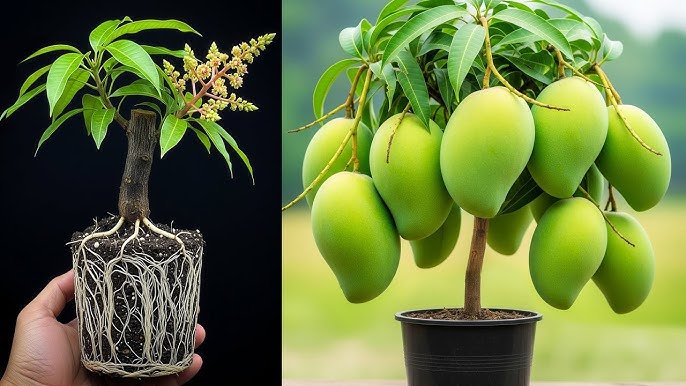
Grafted mango trees offer multiple advantages over seed-grown plants:
- Fruiting begins earlier
- More uniform fruit
- Higher yields
- Strong trunk and roots
- Better disease tolerance
- Consistent quality
Farmers rely on grafting because it ensures predictable outcomes.
Conclusion: Grafting Unlocks the True Potential of Mango Trees
Mango tree grafting is one of the most powerful horticultural practices available to gardeners. Whether you aim to enjoy delicious fruits at home or develop a small orchard, grafting helps you grow healthy, fast, and high-quality mango trees.
With the right technique—such as cleft or side grafting—you can produce strong trees that fruit early and deliver the sweetness you expect from premium mango varieties.
Start with a healthy rootstock, choose quality scions, make clean cuts, and provide proper aftercare. In just a few years, you will enjoy the reward: a flourishing mango tree bearing rich, flavorful fruits.