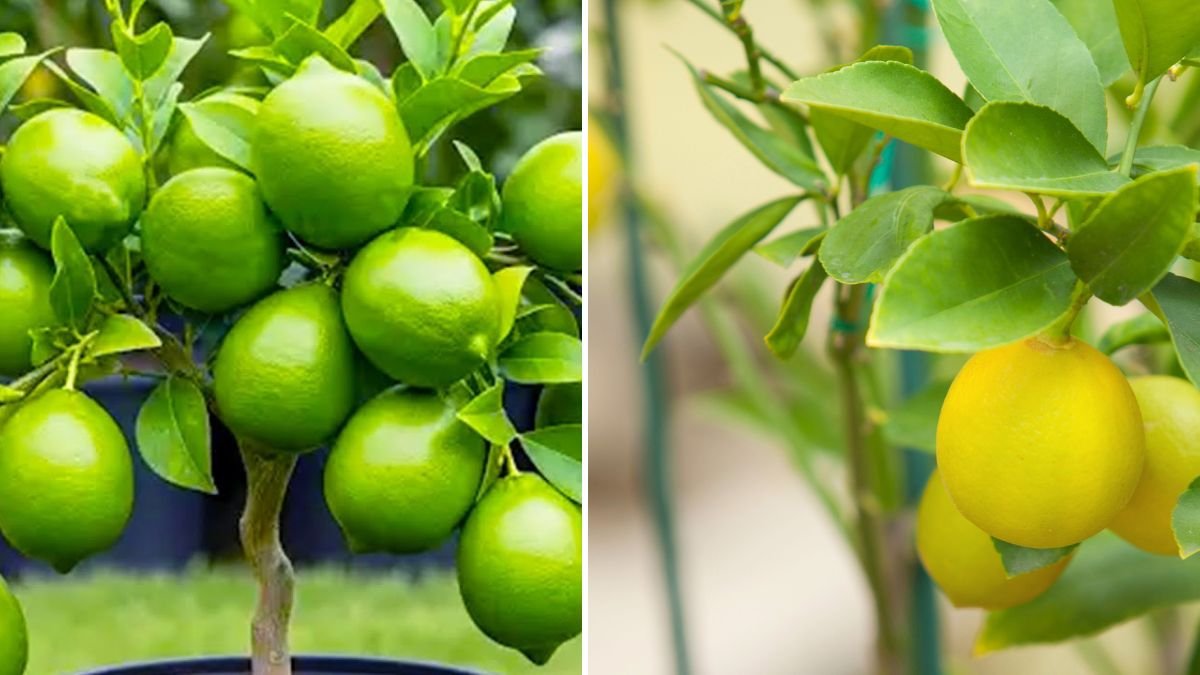
Lemon trees are one of the most valuable fruit trees you can grow in your home garden. Not only do they provide fresh lemons throughout the year, but they also add beauty, fragrance, and greenery to your surroundings. The best part is — you don’t need to buy new saplings to grow more lemon trees.
With proper propagation techniques, you can create multiple lemon plants from a single tree, saving money while ensuring high-quality fruits. Lemon propagation is simple, effective, and highly rewarding when done correctly.
This 1200-word guide explains everything you need to know about propagating lemon trees — from easy beginner methods to advanced techniques like air layering and grafting. You will also learn ideal seasons, soil requirements, aftercare, and common mistakes.
Let’s begin your lemon propagation journey!
Why Should You Propagate Lemon Trees?
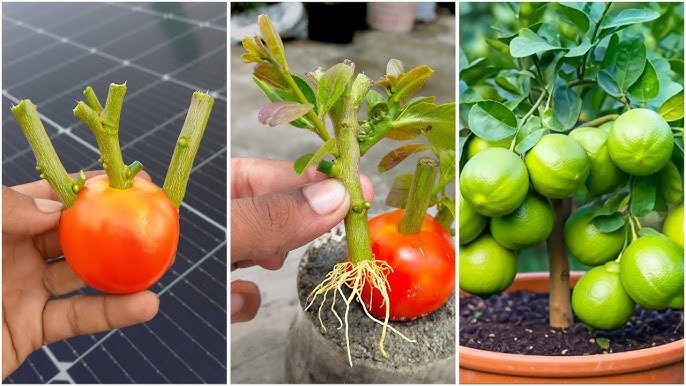
Propagation helps gardeners reproduce plants genetically identical to the parent lemon tree. This ensures:
Consistent fruit quality
Faster fruiting
Stronger plant structure
Cost-free multiplication
High survival rate
Ability to preserve special varieties
Unlike seeds, which may produce unpredictable varieties, vegetative propagation maintains the exact characteristics of your favorite lemon tree.
Best Methods to Propagate Lemon Trees
Lemon trees can be propagated through several techniques:
- Stem Cuttings (Easy & Affordable)
- Air Layering (Highest Success Rate)
- Simple Layering (Basic Method)
- Grafting (Professional Technique)
- Seeds (Not Recommended for Fruit Quality)
Among these, air layering and stem cuttings are the most reliable and beginner-friendly methods.
Let’s explore each method.
1. Propagating Lemon by Stem Cuttings (Beginner Friendly)
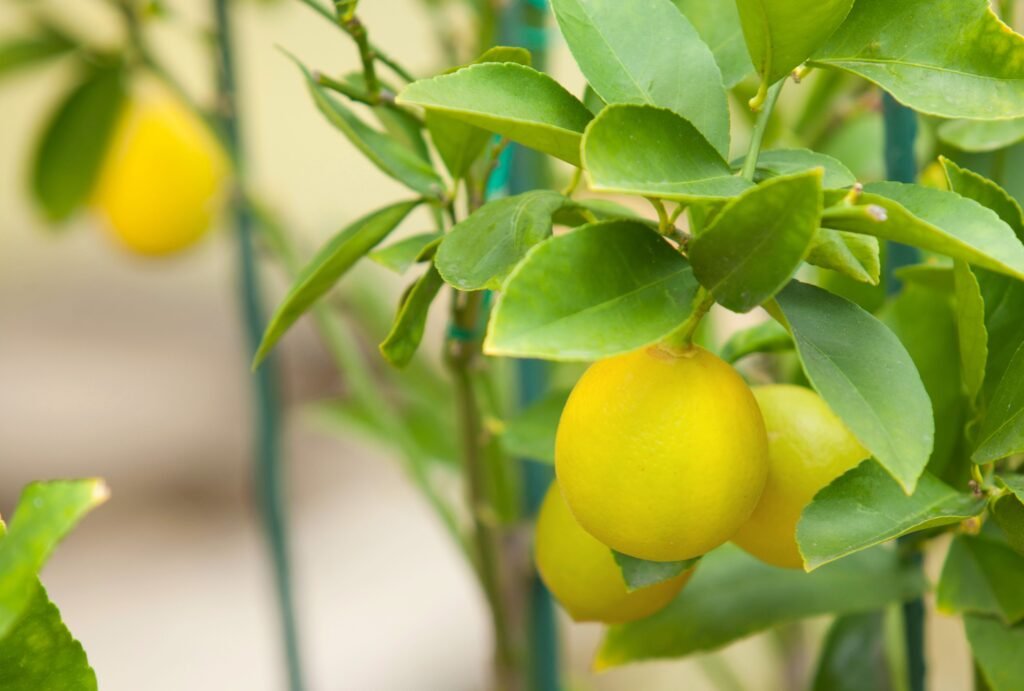
Stem cuttings are the most common way gardeners propagate lemons because the process is simple and does not require special tools.
Step-by-Step Guide to Lemon Cuttings
Step 1: Select a Healthy Branch
Choose a branch:
- Semi-hardwood
- Greenish-brown
- 6–8 inches long
- With 3–4 buds
- No diseases
Fresh green shoots rot easily, and woody branches root slowly — semi-hardwood is ideal.
Step 2: Cut the Branch
Use a clean sharp knife.
Cut:
- Bottom → 45° angle
- Top → Straight
Clean cuts prevent infection.
Step 3: Remove Lower Leaves
Leave only:
- 2 leaves at the top
This reduces water loss and helps rooting.
Step 4: Apply Rooting Hormone (Optional)
Rooting hormone:
- Speeds root formation
- Prevents rot
- Increases success
You can use:
- Powder
- Gel
- Homemade alternatives (honey, willow water)
Step 5: Plant the Cutting
Use a pot with:
- Garden soil
- Sand
- Compost
Mix ratio:
- 50% soil
- 50% sand
Insert cutting 2–3 inches deep.
Step 6: Create Humidity
Cover the pot with:
- Plastic bottle
- Plastic bag
- Transparent cover
Leave a small gap for airflow.
Step 7: Place in Shade
Avoid direct sunlight.
Roots develop in:
- 3–6 weeks
Result
Cuttings grow into identical lemon plants with a success rate of about 60–70%.
2. Air Layering (Most Effective Method)
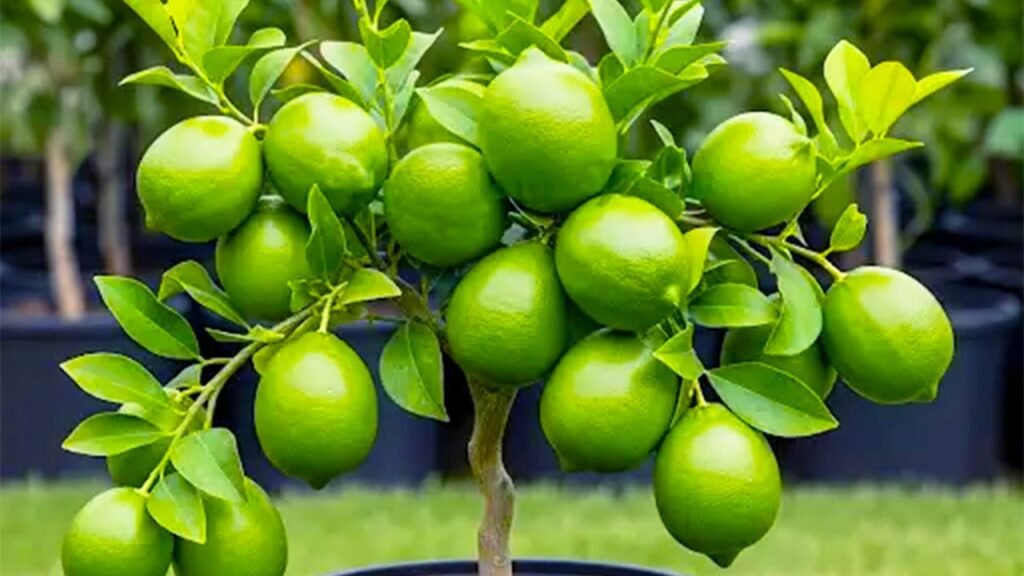
Air layering is considered the best technique for lemon propagation because it produces strong plants with a high success rate (80–95%).
Air Layering Step-by-Step
Step 1: Choose a Strong Branch
Choose:
- 1–2 cm thickness
- Healthy
- Semi-hardwood
Step 2: Make a Ring Cut
Cut a 1-inch ring around the branch.
Remove bark completely.
Scrape the green cambium gently.
This stops healing and forces root formation.
Step 3: Apply Rooting Hormone
(optional but recommended)
Step 4: Wrap With Moist Moss
Use:
- Sphagnum moss
- Cocopeat
- Wet soil
Keep moist but not dripping.
Step 5: Cover With Plastic
Wrap tightly.
Tie both ends with:
- Rubber band
- Twine
Step 6: Protect From Sun
Cover plastic with:
- Aluminum foil
Prevents overheating.
Step 7: Wait for Roots
Roots appear in:
- 4–8 weeks
Signs:
- White roots
- Moss turning brown
- Branch swelling
Step 8: Cut & Plant
Cut below the rooted section.
Plant in:
- Pot
- Garden
- Well-drained soil
Advantage
Air-layered plants fruit earlier (1.5–2 years).
3. Simple Layering Method
Useful when branches touch the ground.
Steps:
- Bend branch
- Scratch bark
- Apply hormone
- Bury part of branch
- Keep moist
- Roots develop
- Cut and transplant
Works best for:
- Young flexible branches
- Lemon
- Guava
- Citrus
4. Grafting (Professional Technique)
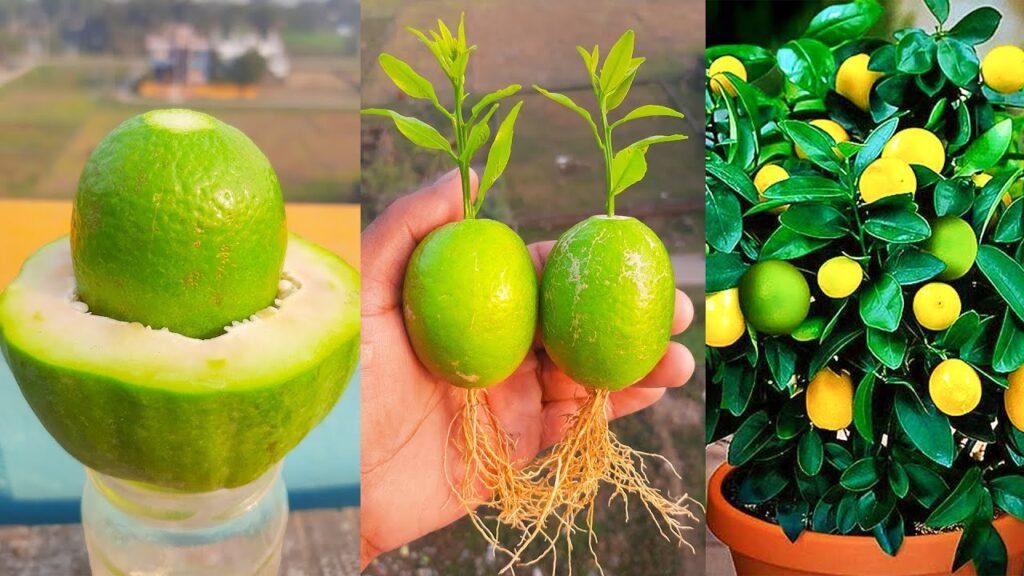
Grafting combines:
- Scion (fruiting part)
- Rootstock (strong roots)
Common methods:
- Bud grafting
- Cleft grafting
- Side grafting
Advantages:
- Strong root system
- Disease resistance
- Faster fruiting
- Uniform fruit
Disadvantages:
- Requires skill
- Needs practice
5. Propagation From Seeds (Not Ideal)
Seeds grow easily but:
❌ Fruit quality varies
❌ Takes 4–6 years
❌ Weak roots
❌ Plants not identical
Seeds are best for:
- Learning
- Ornamental plants
- Nurseries
Best Time to Propagate Lemon Trees
Ideal seasons:
- Spring (March–April)
- Early summer (May–June)
- Monsoon (July–September)
Propagation works best when:
- Weather is warm
- Humidity is high
- Soil is moist
Avoid winter.
🪴 Soil Requirements
Use a well-drained mix:
- 40% garden soil
- 40% compost
- 20% sand
Soil must be:
- Aerated
- Slightly acidic
- Rich in organic matter
Watering Requirements
Cuttings:
- Light moisture
- Avoid waterlogging
Air-layered plants:
- Keep moss moist
- Not dripping
After transplant:
- Water deeply
- Reduce after establishment
Sunlight Requirements
Cuttings:
- Shade
After rooting:
- Partial sun
- Then full sun
Mature plants:
- 6–8 hours sunlight
Care After Transplanting
- Keep plant in shade for 10–15 days
- Water gently
- Apply organic fertilizer
- Mulch around base
- Protect from wind
- Prune lightly
- Avoid overwatering
When Will Propagated Lemon Trees Bear Fruit?
| Method | Time to Fruit |
|---|---|
| Seeds | 4–6 years |
| Cuttings | 2–3 years |
| Layering | 2–3 years |
| Air layering | 1.5–2 years |
| Grafting | 1–1.5 years |
Common Mistakes in Lemon Propagation
1. Cuttings rot
→ Too much water
→ Poor ventilation
2. No roots form
→ Wrong season
→ Branch too soft
→ No hormone
3. Leaves dry
→ Humidity too low
4. Plant weak
→ Poor soil
→ Overwatering
Tips for Maximum Success
- Use clean tools
- Choose semi-hardwood
- Keep humidity high
- Avoid direct sun
- Apply rooting hormone
- Keep soil moist
- Be patient
- Label cuttings
- Provide proper aftercare
Final Thoughts
Propagating lemon trees is an enjoyable and cost-effective gardening skill. Whether you choose cuttings, layering, or air layering, you can multiply plants easily and enjoy fresh lemons year after year.
Among all methods, air layering offers the best success rate and fastest fruiting, making it ideal for gardeners who want quick results.
With a little patience and proper care, you can fill your home garden with multiple lemon trees — all grown by you!