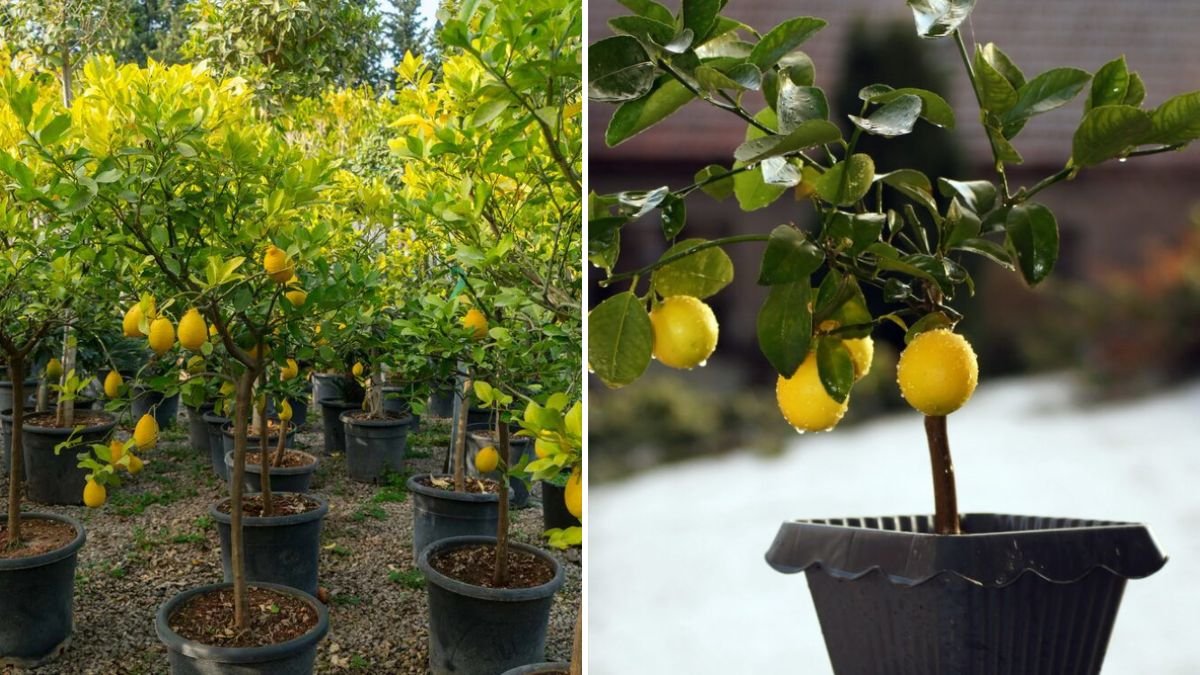
Lemon trees are among the most beloved fruit trees in home gardens, thanks to their refreshing aroma, bright green foliage, and tangy fruits. Whether you enjoy lemons for culinary purposes, beverages, or natural remedies, growing a lemon tree at home brings both beauty and utility. One of the most effective ways to expand your lemon garden is through propagation, a technique that allows you to create new plants from an existing tree.
Propagation helps gardeners multiply their favorite lemon varieties while maintaining the same taste, aroma, and quality. Unlike growing lemons from seeds—which often results in inconsistent fruit quality—vegetative propagation ensures the new plant is an exact clone of the parent tree.
In this comprehensive guide, we will explore the best methods for lemon propagation, step-by-step procedures, essential care practices, and common mistakes to avoid. By the end, you will have all the knowledge needed to propagate lemons successfully at home.
Understanding Lemon Propagation
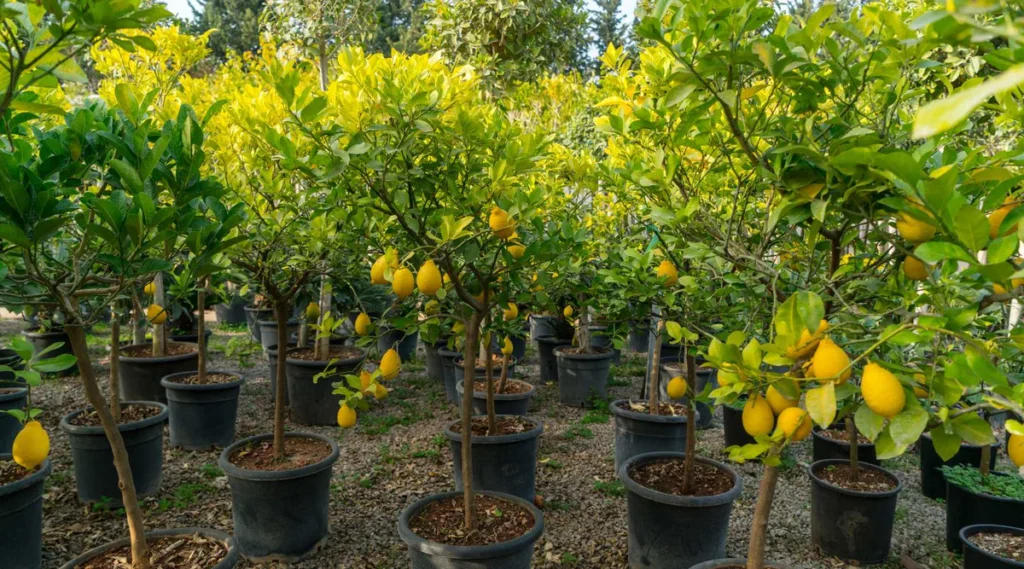
Lemon propagation is the process of producing new plants using parts of an existing tree rather than seeds. Lemon trees can be propagated through several techniques, but the most popular include:
- Stem cuttings – easiest and most common
- Air layering – excellent for older trees
- Seeds – simple but slow and not true-to-type
- Grafting – used commercially for high-quality fruit
Propagation works because plants contain meristem tissues that can develop into roots or shoots when provided with the right conditions such as humidity, warmth, and moisture.
Among all these methods, stem cuttings and air layering are considered the best for home gardeners because they are easy and have high success rates.
Method 1 — Propagation of Lemon Trees Using Stem Cuttings (Best for Beginners)
Stem cuttings are widely used because they are simple and produce plants identical to the parent tree. This method is ideal for beginners and provides fast results.
Materials Needed
- Healthy lemon branch
- Sharp pruning shears
- Rooting hormone (optional but recommended)
- Potting soil
- Small pot with drainage
- Plastic bag or humidity dome
Step-by-Step Guide
1. Select a Healthy Stem
Choose a semi-hardwood cutting—neither too young nor too old.
Characteristics:
- 6–8 inches long
- Firm and greenish-brown
- Free from pests
- No flowers or buds
2. Cut Cleanly
Use sterilized shears to cut just below a leaf node.
A clean cut improves root development.
3. Remove Lower Leaves
Strip leaves from the bottom half of the cutting.
Leave 2–3 leaves at the top.
This reduces moisture loss and avoids fungal infections.
4. Apply Rooting Hormone (Optional)
Dip the cutting into rooting powder or gel.
This promotes quicker and stronger root formation.
5. Plant the Cutting
Insert the cutting into moist potting mix or sand.
Depth: 2–3 inches
Ensure it stands upright.
6. Create a Humid Environment
Cover the pot with:
- A plastic bag
- A cut bottle
- Or a humidity dome
Humidity prevents dehydration while roots form.
7. Place in Indirect Light
Avoid direct sunlight.
Bright shade is best until the cutting roots.
8. Wait for Root Development
Roots appear in 4–8 weeks.
Signs of success:
- New leaf growth
- Firm stem
- Slight resistance when tugged
Care Tips for Cuttings
- Keep soil slightly moist
- Avoid overwatering
- Mist daily if air is dry
- Remove plastic slowly after roots form
Healthy roots lead to stronger plants and faster fruiting.
Method 2 — Propagation of Lemon Trees Through Air Layering (High Success Rate)
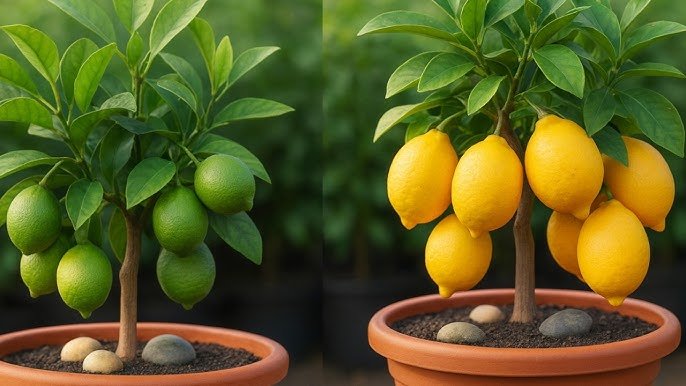
Air layering is ideal for older trees or branches that are difficult to root through cuttings.
This method produces a plant with a strong root system before detaching it from the parent tree.
Steps for Air Layering
- Choose a healthy branch
- Remove a 1–2 cm ring of bark
- Apply rooting hormone
- Wrap moist sphagnum moss
- Cover with plastic
- Tie tightly
- Keep moss moist
- Roots form in 6–10 weeks
- Cut below the rooted section
- Plant in soil
Advantages of Air Layering
- Higher success rate
- Strong roots
- Less transplant shock
- Works on mature branches
Method 3 — Propagation From Seeds (Educational but Slow)
Growing lemons from seeds is easy but not ideal for fruit production.
Steps
- Take seeds from a ripe lemon
- Clean off pulp
- Dry for a few hours
- Plant in potting soil
- Keep moist
- Provide sunlight
Seedlings appear in 2–4 weeks.
Drawbacks of Seed Propagation
- Fruits may differ
- Takes 4–7 years to fruit
- Plants may be weak
- Not true-to-type
Seeds are best for learning rather than practical fruit growing.
Ideal Conditions for Lemon Propagation
Sunlight
Lemons need full sun for healthy growth.
- Minimum: 4 hours
- Ideal: 6–8 hours
Watering
Young plants need consistent moisture.
- Water when soil dries
- Avoid waterlogging
- Ensure good drainage
Soil Requirements
Use:
- Sandy loam
- Well-drained soil
- Organic compost
Lemon roots rot easily in wet soil.
Temperature
Best range:
- 20–30°C (68–86°F)
Cold slows growth and damages young plants.
Care After Propagation
Once the cutting or air-layered plant roots:
- Transplant into a bigger pot or ground
- Provide full sunlight
- Water moderately
- Fertilize every 4–6 weeks
- Prune for shape
- Remove competing shoots
- Protect from pests
Good care results in early flowering and fruiting.
When Does a Propagated Lemon Tree Bear Fruit?
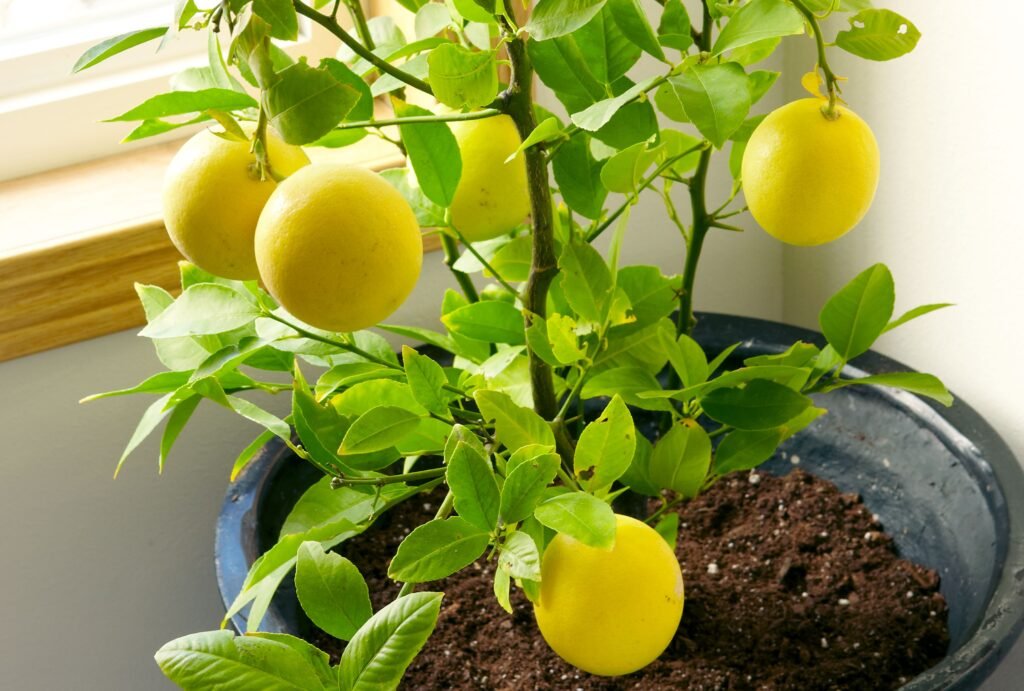
Time varies by method:
- Cuttings: 2–3 years
- Air layering: 1–2 years
- Seeds: 4–7 years
- Grafting: 1–2 years
Cuttings and air layering are the fastest.
Pruning for Better Growth
Pruning helps:
- Increase airflow
- Strengthen branches
- Improve fruit size
- Maintain compact shape
Prune:
- Dead or weak branches
- Crowded areas
- After fruiting
Common Problems & Solutions
1. Yellow Leaves
Cause: Overwatering
Solution: Improve drainage + fertilize
2. No Fruits
Cause: Lack of sunlight
Solution: Move plant to sunny spot
3. Pest Infestation
Common pests:
- Aphids
- Scale
- Mealybugs
Solution: Neem oil spray
4. Root Rot
Cause: Waterlogging
Solution: Reduce watering + repot
Conclusion
Propagation of lemon trees is a rewarding process that allows gardeners to expand their citrus collection while maintaining the exact qualities of the parent plant. Whether you choose stem cuttings, air layering, or seeds, each method offers unique benefits.
For most home gardeners, stem cuttings and air layering provide the fastest results and highest success rates. With the right conditions—proper sunlight, balanced watering, good soil, and careful pruning—your propagated lemon tree will grow into a healthy plant capable of producing fragrant blossoms and juicy fruits.
Growing lemons at home not only enriches your garden but also brings freshness, aroma, and natural beauty to your surroundings. Start propagating today and enjoy a garden filled with sunshine and citrus goodness.