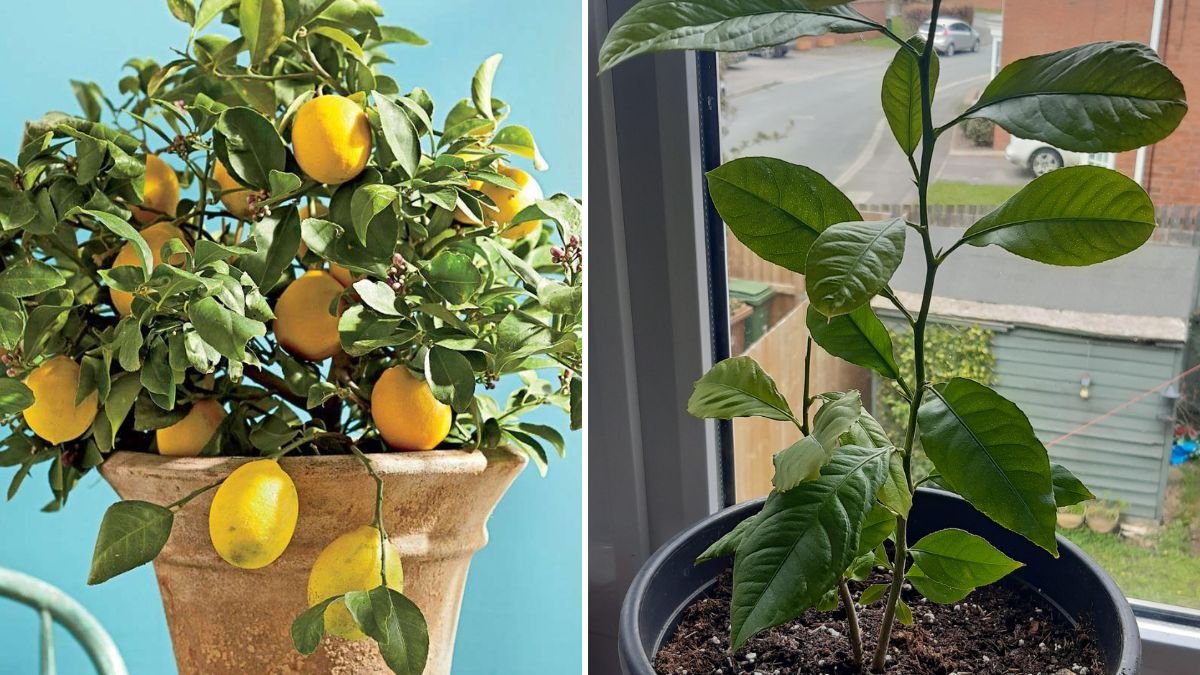
Lemon trees are among the most beloved fruit trees grown in home gardens. Their bright green foliage, fragrant blossoms, and tart, refreshing fruits make them both ornamental and productive. Whether you enjoy lemons for cooking, beverages, or natural remedies, growing your own lemon tree is a rewarding experience. One of the best ways to expand your garden or replace older trees is through propagation.
Propagation allows gardeners to create new lemon plants from existing ones, ensuring the new tree retains the same characteristics as the parent. It is cost-effective, environmentally friendly, and a great way to multiply plants without purchasing saplings. In this detailed guide, we will explore the most effective methods to propagate lemon trees, along with care techniques that help your new plant thrive.
Understanding Lemon Tree Propagation
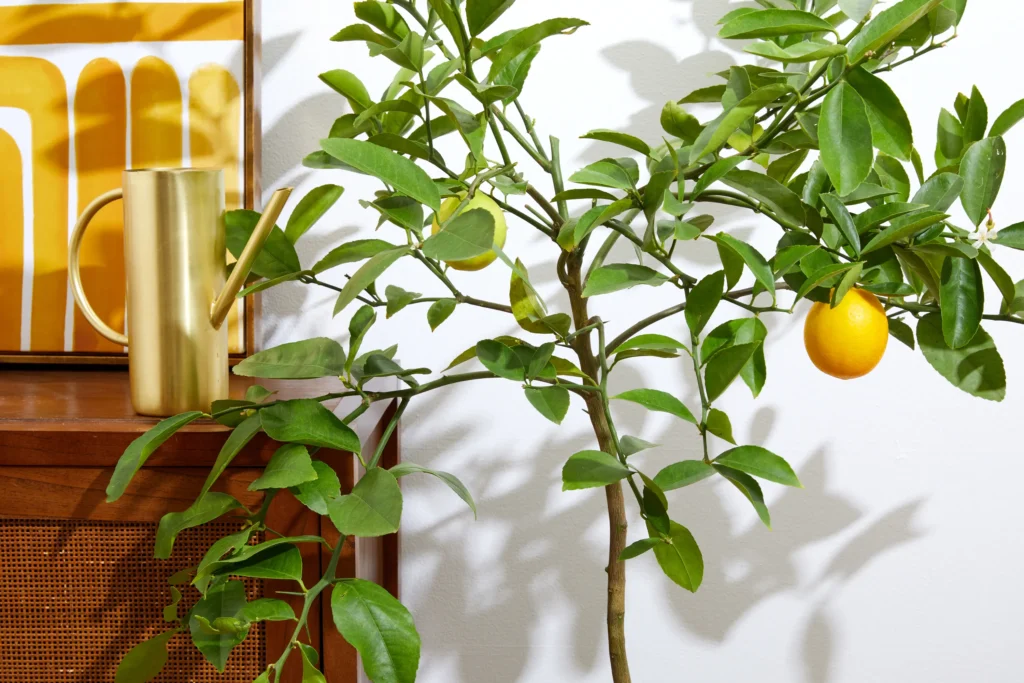
Lemon trees (Citrus limon) can be propagated through several techniques:
- Stem cuttings (most common and beginner-friendly)
- Air layering (high success rate)
- Seeds (easy but slow)
- Grafting (professional method)
Each method has unique advantages depending on your skill level and the type of plant you want.
Propagation works because plants contain meristem tissues capable of producing roots or shoots under the right conditions. By encouraging these tissues to activate, gardeners can transform a branch or cutting into a full plant.
Method 1 — Propagating Lemon Trees from Stem Cuttings (Best Method)
Stem cuttings are the most reliable method for beginners because they produce plants identical to the mother tree, ensuring consistent fruit quality and growth.
Materials Needed
- Healthy semi-hardwood branch
- Sharp pruning shears
- Rooting hormone (optional but helpful)
- Potting soil or sand
- Pot with drainage
- Plastic sheet or humidity cover
Step-by-Step Procedure
- Choose a healthy branch
Select a branch that is neither too soft nor too woody. Semi-hardwood stems work best. - Cut a 6–8 inch section
Make a clean cut just below a node. - Remove lower leaves
Strip leaves from the bottom half to prevent rot. - Apply rooting hormone
Dip the cut end in rooting powder or gel.
(Optional but increases success significantly.) - Plant the cutting
Insert the cutting into a pot filled with moist soil or sand.
Ensure at least two nodes are buried. - Create humidity
Cover the pot with a plastic bag or transparent sheet. - Place in indirect sunlight
Avoid direct heat or sun until roots form. - Wait for rooting
Roots develop in 4–8 weeks, depending on temperature.
Care Tips for Cuttings
- Keep soil moist but not soggy
- Mist daily if humidity is low
- Remove the plastic cover gradually
- Transplant once roots are well formed
Cuttings rooted in this manner grow faster and bear fruit earlier than seed-grown plants.
Method 2 — Air Layering (Highly Effective Method)

Air layering is ideal for older lemon trees that do not root easily from cuttings. This technique encourages roots to form while the branch remains attached to the parent plant.
Steps for Air Layering
- Choose a healthy branch about ½ inch thick.
- Remove a ring of bark (1–2 cm wide).
- Apply rooting hormone to the exposed area.
- Wrap moist sphagnum moss around the cut.
- Cover with plastic and tie tightly.
- Keep the moss moist.
- Roots appear in 6–10 weeks.
- Cut below the rooted section and plant it.
Advantages of Air Layering
- Higher success rate
- Stronger root system
- Less transplant shock
- Works well for mature trees
Air layering produces a resilient, ready-to-grow plant with minimal risk.
Method 3 — Growing Lemon Trees from Seeds
Seeds are the simplest way to begin, especially for beginners or children. However, seed-grown trees may not produce fruit similar to the parent and may take several years.
Steps
- Choose a fresh, ripe lemon
- Remove seeds and wash off pulp
- Dry seeds for a few hours
- Plant seeds ½ inch deep
- Keep soil moist
- Place in warm sunlight
Seeds germinate in 2–4 weeks.
Limitations
- Fruit quality varies
- Trees take 4–7 years to bear fruit
- Not genetically identical to parent
Seed propagation is educational but not ideal for quick production.
Method 4 — Grafting (Advanced but Best for Quality Trees)
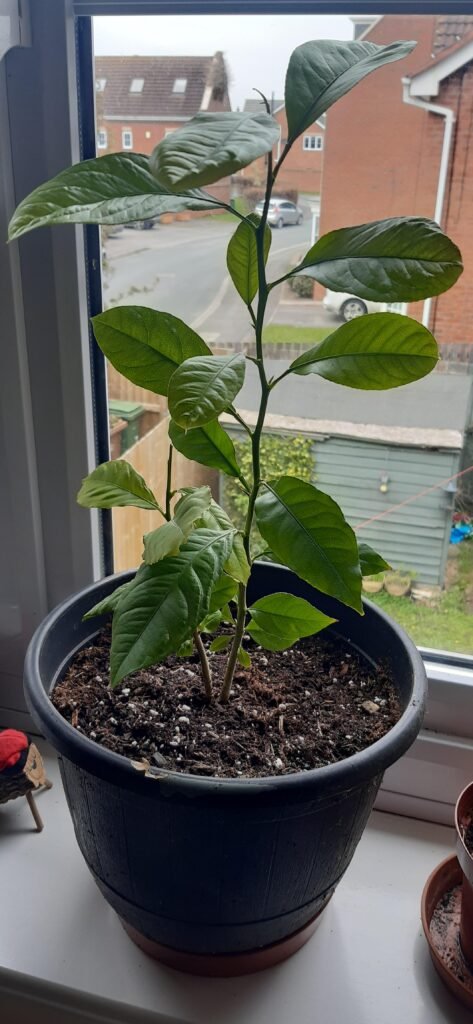
Grafting combines two plants:
- Rootstock → Provides strength
- Scion → Provides fruit quality
Common grafting methods include:
- T-budding
- Whip grafting
- Cleft grafting
Grafting produces trees that:
- Fruit faster
- Resist diseases
- Yield high-quality lemons
However, this method requires experience and precise technique.
Ideal Conditions for Lemon Propagation
To increase success:
Sunlight
Provide bright but indirect light for cuttings.
Temperature
20–30°C is ideal for root formation.
Humidity
High humidity promotes rooting.
Soil
Use well-drained soil—lemon roots cannot tolerate waterlogging.
Watering Requirements
Young saplings need consistent moisture.
- Water deeply but less frequently
- Avoid soggy conditions
- Reduce watering in winter
Overwatering is a major cause of root rot.
Fertilizing Lemon Saplings
Healthy lemon plants require nutrients.
Best Fertilizers
- Organic compost
- NPK fertilizer (10-10-10)
- Potassium (during fruiting)
Feed every 4–6 weeks during the growing season.
Pruning Lemon Trees
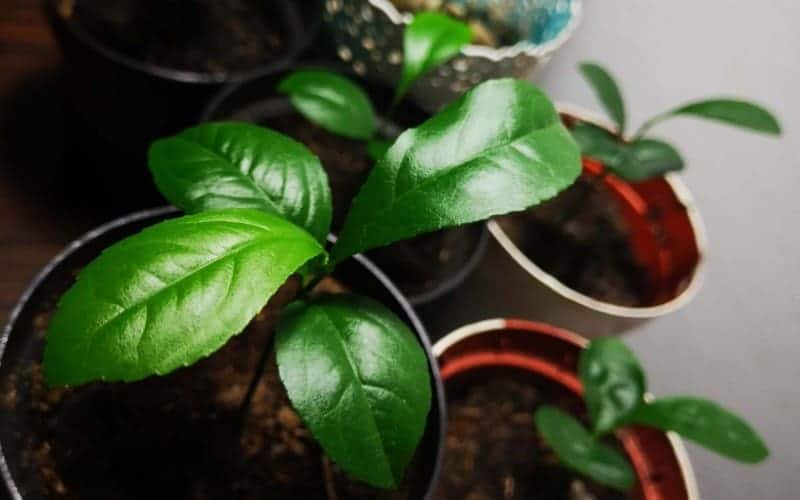
Pruning helps:
- Maintain shape
- Increase fruiting
- Improve airflow
- Reduce diseases
Pruning Tips
- Remove dead branches
- Trim crowded areas
- Prune during winter
- Keep a balanced canopy
Pruned trees produce larger and sweeter fruits.
Common Problems and Solutions
Pests
- Aphids
- Scale insects
- Mealybugs
- Citrus leaf miners
Solution
Neem oil spray, soap spray, or manual removal.
Diseases
- Root rot
- Leaf spot
- Powdery mildew
Solution
Improve drainage, ensure sunlight, and prune infected parts.
When Does a Propagated Lemon Tree Bear Fruit?
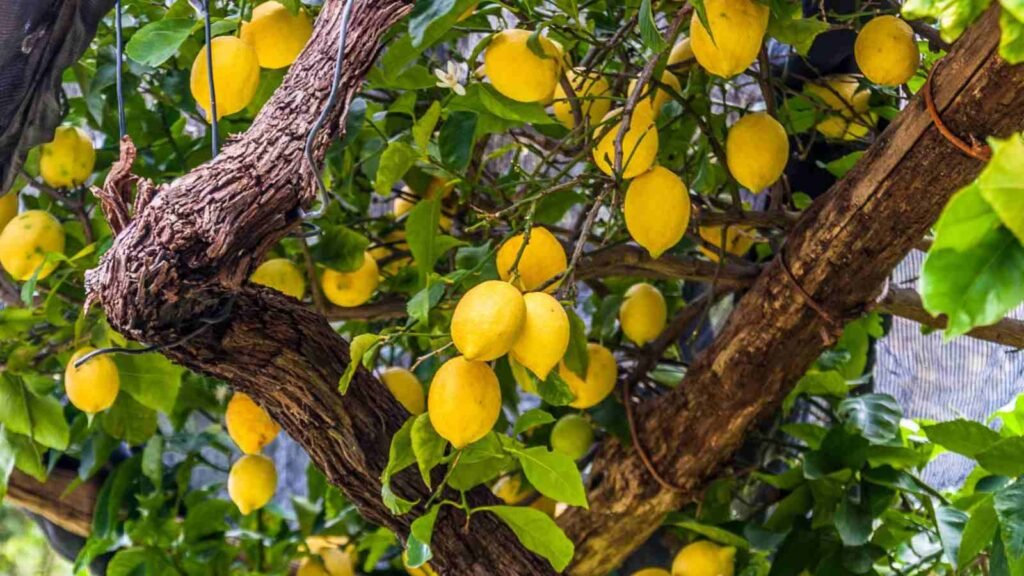
Time varies by method:
- Cuttings: 2–3 years
- Air layering: 1–2 years
- Seeds: 4–7 years
- Grafting: 1–2 years
Propagation method greatly affects fruiting speed.
Tips for Faster Growth
Provide full sunlight
Mulch around roots
Fertilize regularly
Prune lightly
Protect from cold
Keep soil aerated
Healthy roots lead to healthy fruits.
Conclusion
Propagating a lemon tree is an enjoyable and rewarding process that allows you to expand your garden while preserving the exact characteristics of your favourite tree. Whether you choose stem cuttings, air layering, seeds, or grafting, each method offers a unique experience and result.
For beginners, stem cuttings and air layering are the best options because they combine high success rates with faster fruiting. With patience, proper care, and the right conditions, your propagated lemon tree will grow strong and eventually produce fragrant, juicy lemons.
Growing lemons at home not only provides fresh fruit but also brings beauty, fragrance, and satisfaction to your living space.