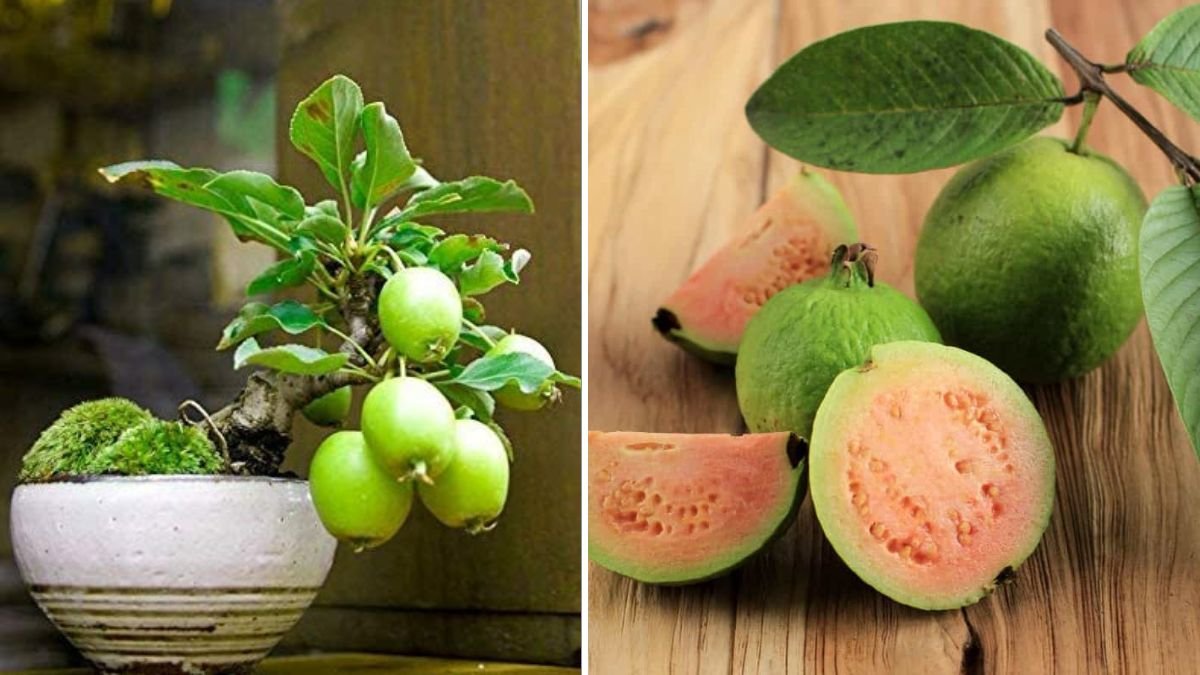
Guava is one of the most delicious tropical fruits, loved for its sweet aroma, crunchy texture, and high vitamin content. Growing a guava tree at home not only gives you fresh, chemical-free fruits but also adds beauty and greenery to your garden.
Many people believe guava trees are difficult to grow, but in reality, guava is one of the easiest fruit trees you can cultivate at home. With proper care, a guava tree can grow rapidly and start bearing fruits within 1–3 years.
In this detailed 1200-word guide, you will learn:
How to grow guava from seeds
Growing guava from cuttings (fastest method)
Soil preparation
Watering techniques
Fertilizer secrets
Pruning tricks
Pest control
How to speed up fruiting
Tips used by professional gardeners
Let’s begin your journey to growing a healthy, productive guava tree at home.
1. Understanding Guava Trees
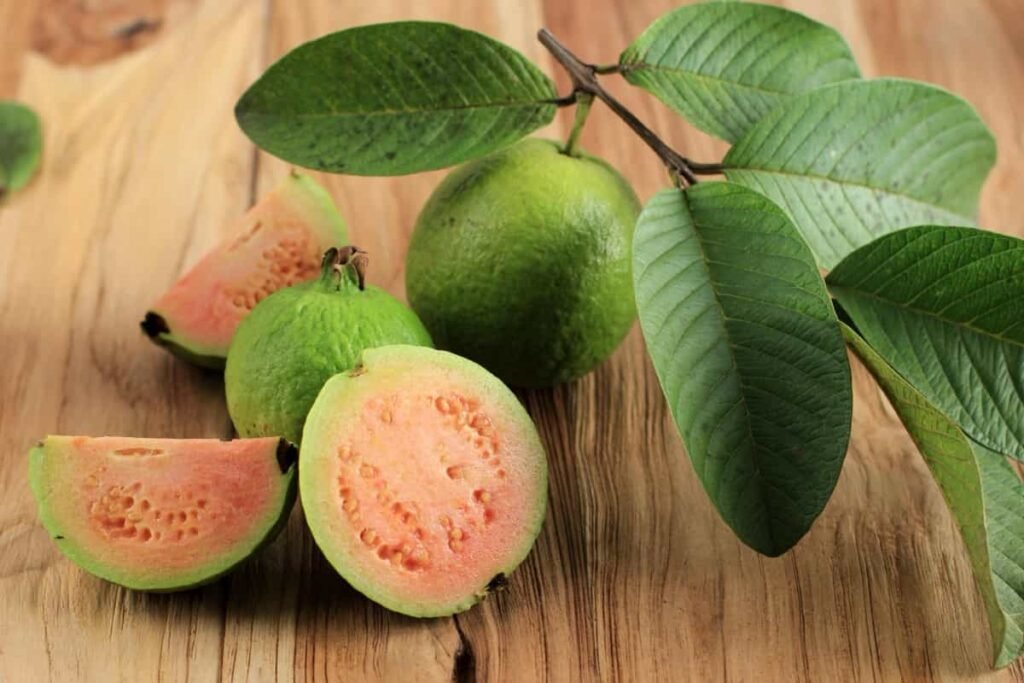
Guava (Psidium guajava) is a hardy fruit plant that grows well in:
- Warm climates
- Full sunlight
- Slightly acidic soil
- Moderate watering
Guava trees are:
- Fast-growing
- Resistant to drought
- Easy to propagate
- Highly productive
Because of these traits, they are perfect for beginners.
Guava trees can grow:
- 8–15 feet tall in pots
- Up to 20–30 feet in soil
But with pruning, you can keep them compact and manageable.
2. Best Methods to Grow Guava Trees
There are three popular guava propagation methods:
1. Seeds (Easy but slow)
- Germinates quickly
- Fruits after 4–6 years
- Fruit quality varies
2. Cuttings (Fastest & most reliable)
- Roots in 2–4 weeks
- Fruits in 1–2 years
- Produces identical plant
3. Grafting (Professional method)
- Best fruit quality
- Strong plant
- Fruits in 1 year
For beginners → Cuttings are best
For experts → Grafting is best
3. Growing Guava Tree From Cuttings (Fast & Effective)
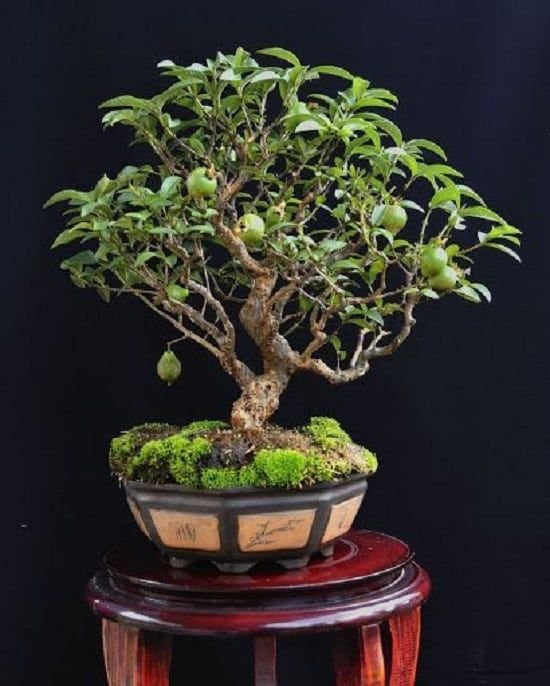
Propagation through cuttings gives almost instant success.
Step 1 — Choose a Healthy Branch
Select:
- Semi-mature branch
- Green with slight wood
- 6–8 inches long
- No disease
Avoid:
- Very soft shoots
- Old hard wood
- Damaged stems
Step 2 — Prepare the Cutting
Cut:
- At a 45° angle
- Below a leaf node
- Remove bottom leaves
- Keep 2–3 top leaves
Angle cut → increases rooting surface.
Step 3 — Apply Rooting Hormone
Use:
- Aloe vera
- Cinnamon
- Commercial rooting powder
This:
- Speeds root growth
- Prevents infection
- Increases success rate
Step 4 — Rooting Method
Method A: Soil Rooting (Best)
Use:
- Sand
- Cocopeat
- Soil
- Perlite
Insert cutting:
- 2–3 cm deep
- Keep moist
- Cover with plastic
Roots appear in:
- 10–20 days
Method B: Water Rooting
Place cutting in:
- Clean water
- Shade
Roots form:
- 7–14 days
Step 5 — Transplant When Roots Are Strong
When roots reach:
- 2–3 cm
Move plant to:
- Pot
- Garden
- Larger container
4. Growing Guava From Seeds (Beginner-Friendly)
Seeds are easy but slow.
Steps:
- Extract seeds
- Wash pulp
- Dry for 1 hour
- Sow 1–2 cm deep
- Water gently
- Keep warm
Seedlings appear in:
- 10–25 days
Remember:
Fruit may take several years
Quality may differ
Seeds are best for learning, not fruiting.
5. Soil Requirements for Guava Trees
Guava loves:
- Well-drained soil
- Slightly acidic
- Rich in organic matter
Best mix:
- Garden soil
- Compost
- Cocopeat
- Sand
Ratio:
2 : 1 : 1 : 1
This improves:
- Aeration
- Drainage
- Root growth
6. Watering Guide
Guava needs moderate water.
Water when soil dries
Keep soil moist
Avoid waterlogging
Avoid completely dry soil
Young plants:
- Need more moisture
Mature plants:
- More drought tolerant
Proper watering prevents:
- Root rot
- Yellow leaves
- Weak growth
7. Sunlight Requirements
Guava trees thrive in sunlight.
Minimum:
- 6 hours
Ideal: - 8–10 hours
More sunlight →
Faster growth
Bigger leaves
Better flowers
Higher fruit yield
Shaded plants:
- Grow slowly
- Produce tiny fruits
- Flower less
8. Fertilization for Fast Growth
Guava is a heavy feeder.
Every 30 days:
- Compost
- Vermicompost
- Neem cake
- Organic manure
Every 60–90 days:
- NPK (10-10-10)
- Bone meal
- Potassium fertilizer
Micronutrients
Spray:
- Zinc
- Magnesium
- Iron
Micronutrients boost:
- Chlorophyll
- Flowering
- Fruit size
9. Pruning for Healthy Growth and Fruit Production
Pruning helps shape the tree and improve fruiting.
Prune:
- Weak branches
- Crossing branches
- Dry wood
- Overgrown tips
Benefits:
- Better sunlight penetration
- Improved airflow
- More flowers
- Bigger fruits
Prune during:
- Winter
- Dormancy
- After fruiting
10. How to Speed Up Guava Fruiting
To fruit faster:
- Ensure full sunlight
- Reduce nitrogen slightly
- Increase potassium
- Prune gently
- Keep tree warm
- Remove excess leaves
These trigger:
- Flowering
- Fruit set
- Stronger growth
11. Pest Control
Common pests:
- Aphids
- Whiteflies
- Mealybugs
- Fruit borers
- Scale insects
Natural pesticide:
- 1 tbsp neem oil
- 1 tsp liquid soap
- 1 litre water
Spray:
- Morning
- Evening
Repeat weekly.
Neem oil controls most pests naturally.
12. Flowering and Fruit Formation
Guava flowers:
- White
- Fragrant
- Appear in clusters
Fruit forms:
- 3–4 months after flowering
Guava fruits vary:
- Sweet
- Sour
- Crunchy
- Soft
13. Harvesting Guava
Harvest when:
- Skin slightly yellow
- Fruit softens
- Aroma is strong
Use:
- Sharp knife
- Clean blade
Guava ripens further after picking.
14. Mulching (Important for Healthy Roots)
Mulch helps:
- Retain moisture
- Keep soil cool
- Prevent weeds
- Add nutrients
Use:
- Dry leaves
- Straw
- Coconut husk
Keep mulch:
- 2–3 cm thick
- Away from trunk
15. How Big Guava Trees Grow
In soil:
- 20–30 feet
In pots:
- 6–10 feet
With pruning:
- Compact
- Manageable
- High yielding
16. Common Mistakes to Avoid
Overwatering
Under-fertilizing
Poor sunlight
No pruning
Ignoring pests
Using heavy clay soil
Avoiding these helps trees grow faster.
Conclusion — Growing Your Own Guava Tree Is Easy and Rewarding
Growing a guava tree at home is one of the most satisfying gardening experiences. With the right propagation method, proper sunlight, nutritious soil, and regular care, your guava tree will grow fast, remain healthy, and reward you with delicious fruits.
Whether you choose:
- Seeds
- Cuttings
- Or grafting
…you can enjoy fresh guavas straight from your garden.
Soon you’ll be harvesting aromatic, sweet guavas grown by your own hands — a true gift of nature.