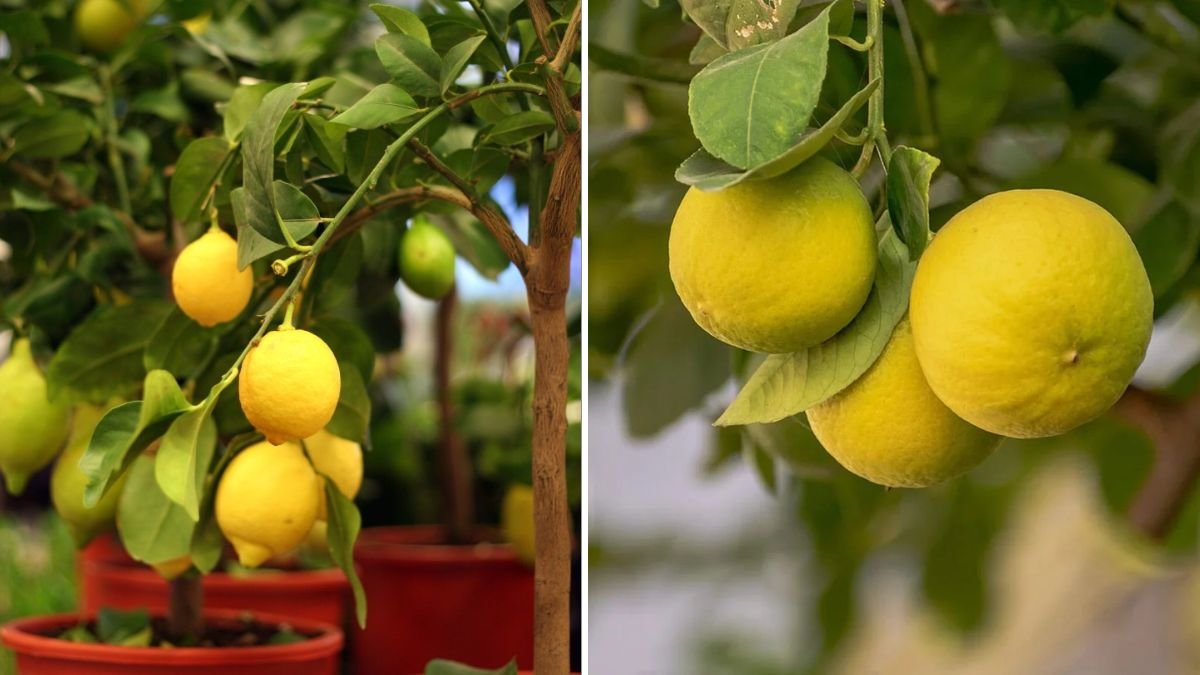
Growing a perfect lemon tree is every home gardener’s dream. The bright yellow fruits, the glossy green leaves, and the refreshing citrus scent make lemon trees one of the most rewarding plants to have in any garden, balcony, or terrace. But many gardeners struggle with slow growth, poor fruiting, or weak plants. The truth is—growing a perfect lemon tree is not difficult… you just need the right techniques.
In this guide, you’ll learn proven, natural, and beginner-friendly methods to grow a healthy, strong, and high-yield lemon tree at home, even if you’ve never grown citrus before. From choosing the right cutting to using simple kitchen ingredients to boost growth, this article shares everything you need to transform your lemon tree into a fruit-producing champion.
Why Lemon Trees Are Perfect for Home Gardeners
Lemon trees adapt beautifully to pots, small spaces, terraces, and even balconies. Their shallow root system makes them easy to manage, and their year-round blossoms add both beauty and fragrance to your home environment.
Some top benefits include:
- Fast fruiting (often within 1–2 years from a grafted plant)
- Minimal pests when cared for properly
- Year-round growth in tropical climates
- Great for organic gardening
- Can be shaped into bushy or tall forms
Once you understand how lemon trees grow, you’ll be amazed at how quickly they can reward you with fresh, juicy fruits.
1. Choosing the Right Starting Method
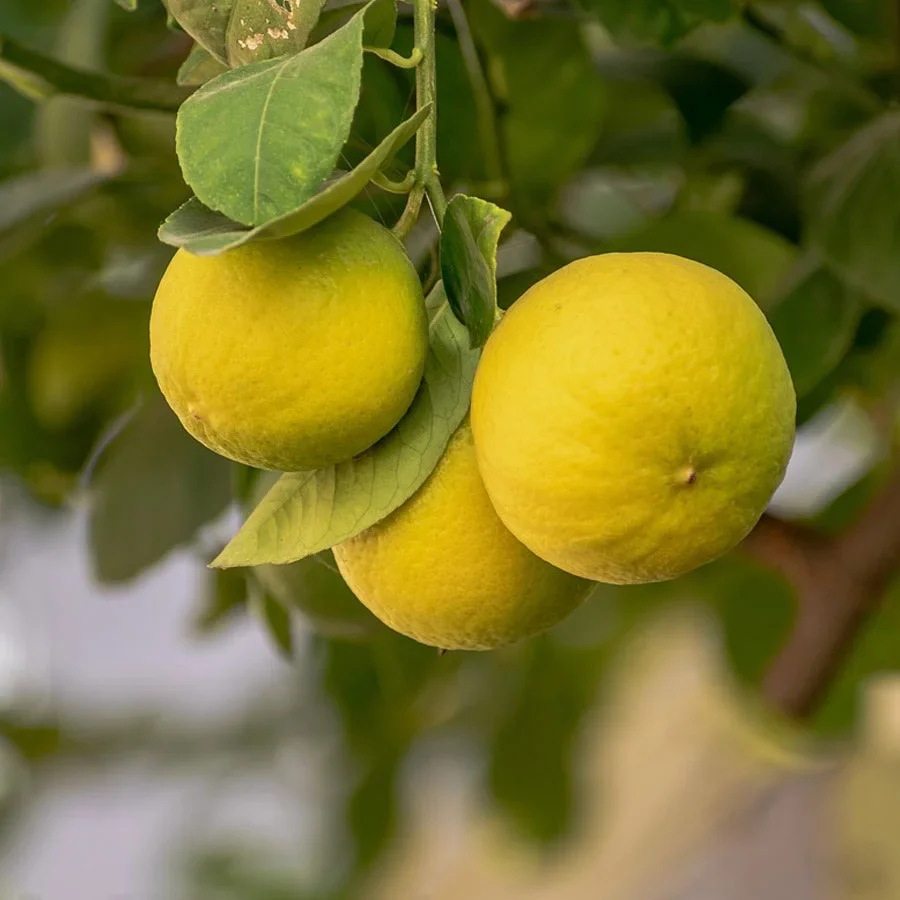
To grow the perfect lemon tree, you must choose the right starting method. You can grow lemons using:
✔ Seeds (not recommended if you want fast fruiting)
Seed-grown lemon trees:
- Take 4–7 years to fruit
- Don’t always grow true to the parent variety
- Are great for beginners but not ideal for fast results
✔ Cuttings (best for growing identical fruit trees)
Growing lemon trees from cuttings ensures:
- Faster fruiting (2–3 years)
- Same fruit quality as the mother tree
- Healthy, vigorous growth
✔ Grafted Plants (fastest and most reliable)
Grafted lemon trees are:
- The quickest to fruit
- Disease-resistant
- Widely available
If your goal is to grow a perfect, hassle-free lemon tree, grafted plants or cuttings are the best choice.
2. Preparing the Perfect Potting Mix
The health of your lemon tree starts with the soil. Citrus plants hate heavy, soggy soil. They thrive in light, airy, well-draining soil rich in organic matter.
Best Soil Mix for Lemon Trees
Mix the following:
- 40% garden soil
- 30% compost or cow dung
- 20% sand or perlite
- 10% cocopeat
To boost growth naturally, add:
- 1 handful neem cake powder (prevents pests)
- 1 handful vermicompost (steady nutrients)
- A pinch of Epsom salt (magnesium boost)
This soil mix supports root development, prevents rot, and ensures proper nutrient flow.
3. Sunlight: The Real Secret to Perfect Lemon Trees
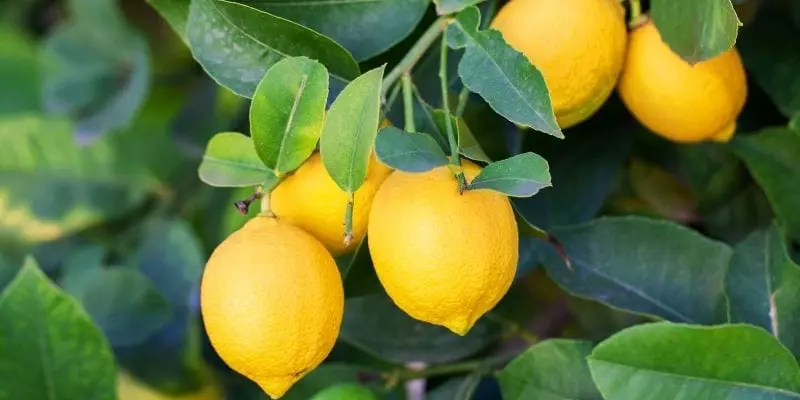
Lemon trees are sun-lovers. The more sunlight they receive, the more fruits they produce.
☀ Minimum sunlight requirement:
6 hours per day
The ideal is 8 hours—this ensures:
- More flowers
- Sweeter lemons
- Stronger branches
- Faster overall growth
If your plant is on a balcony, try placing it where it receives morning sunlight.
4. Watering the Right Way (Most Gardeners Get This Wrong!)
Overwatering is the #1 reason lemon trees fail. Citrus roots prefer moist but NOT waterlogged soil.
✔ Best Watering Method
- Water deeply, but only when the top 2 inches of soil are dry
- Reduce watering in monsoon
- Increase watering in summer
- Water early in the morning
A perfect watering cycle prevents root rot and encourages deep root growth.
5. Boosting Growth with Natural Homemade Fertilizers
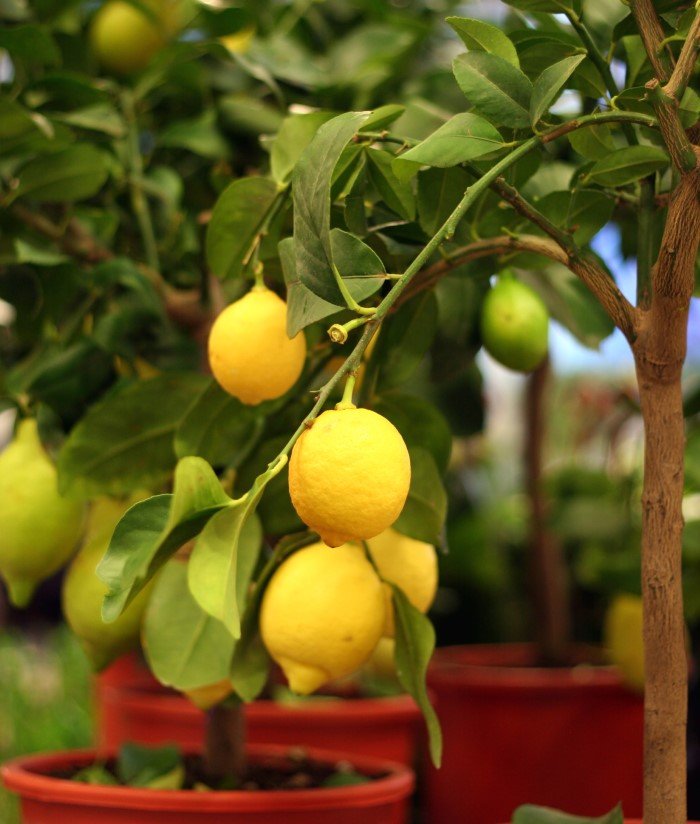
To grow a PERFECT lemon tree, you need a fertilizer schedule. But it doesn’t need to be chemical-based—your kitchen provides everything!
Best Natural Fertilizers for Lemon Trees
- Banana Peel Fertilizer
High in potassium—promotes flowering and fruiting. - Eggshell Powder
Gives calcium for strong branches. - Epsom Salt Water
Prevents yellow leaves and improves photosynthesis. - Neem Cake Powder
Acts as both fertilizer and pest-repellent. - Cow Dung or Vermicompost
Provides slow-release nutrients and improves soil quality.
✔ Fertilizing Schedule
- Apply compost every 30–45 days
- Add Epsom salt once every 45 days
- Use banana peel spray during flowering season
This routine ensures that your lemon tree grows thick foliage, strong roots, and more flowers.
6. Helping Your Lemon Tree Flower Abundantly
Flowering issues are common with lemon trees, but you can fix them easily.
✔ Tips to Increase Flowering:
- Reduce watering slightly before the flowering season
- Add more phosphorus-rich fertilizers
- Ensure the plant gets full sun
- Light pruning to encourage branching
A lemon tree that gets enough sunlight and the right nutrients will naturally bloom more.
7. Pollination Tips for Higher Fruit Production
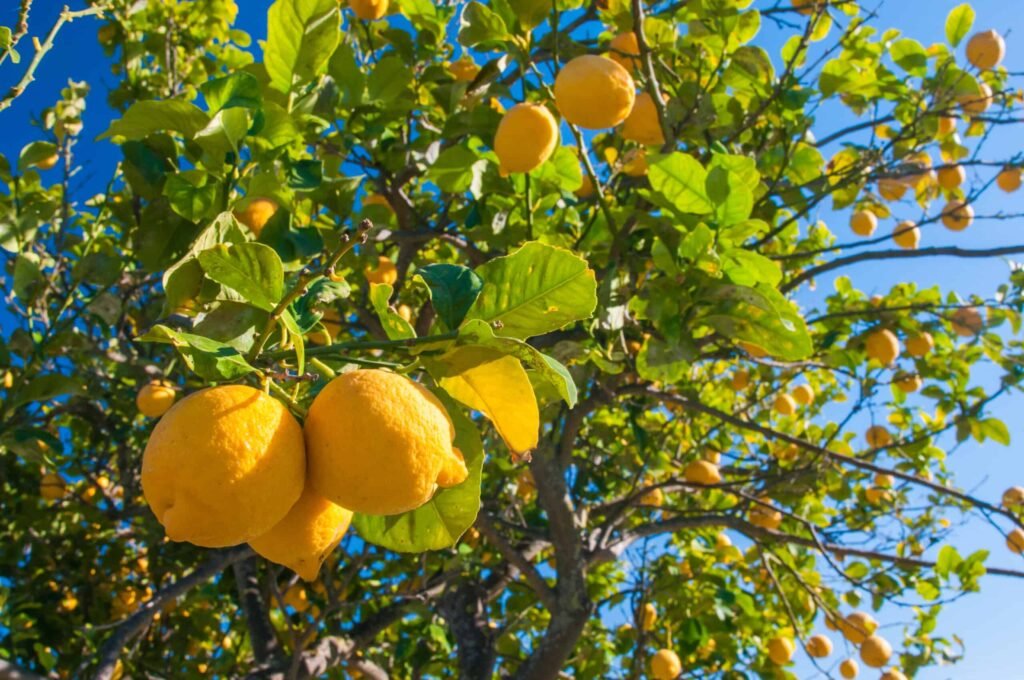
Lemon trees are self-pollinating, but helping them can increase fruit set.
How to hand-pollinate:
- Use a soft brush or cotton earbud
- Gently dab between flowers
- Do this in the early morning
This method can boost fruit production by up to 40%.
8. Pruning: The Key to a Beautiful, Perfect-Shaped Lemon Tree
Pruning keeps your lemon tree:
- Healthy
- Bushy
- Disease-free
- Highly productive
✔ When to Prune
- Before monsoon
- After harvesting
Remove:
- Weak branches
- Crossing branches
- Dead or diseased stems
This improves airflow and sunlight penetration.
9. Repotting Your Lemon Tree at the Right Time
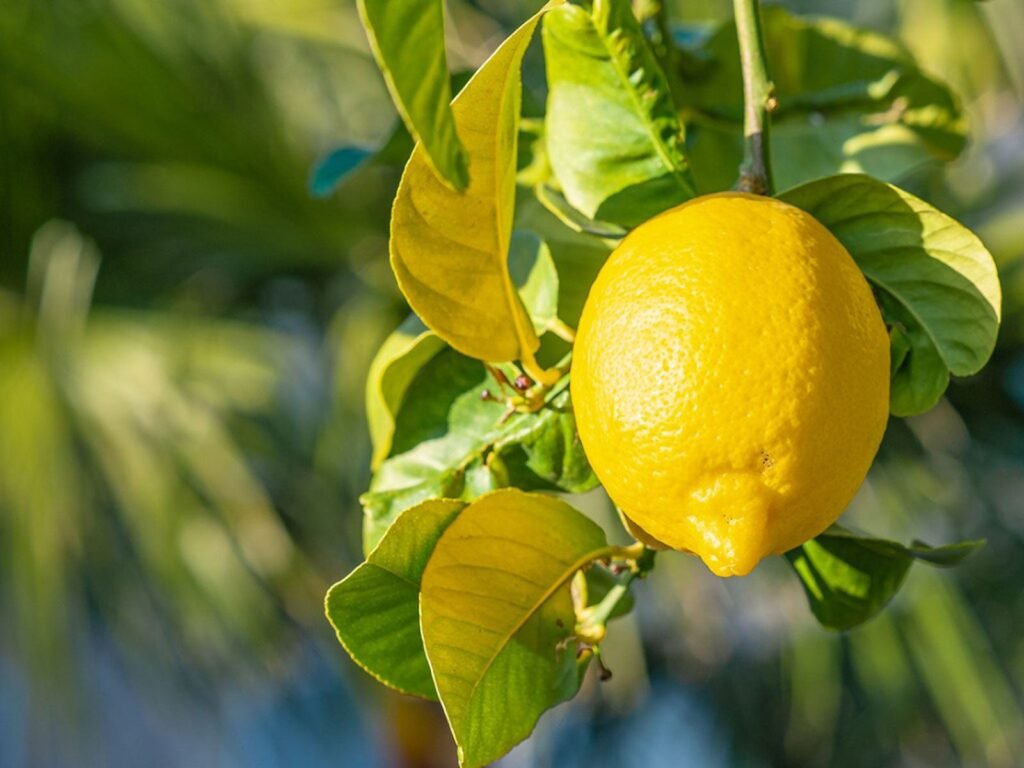
Lemon trees need repotting every 2–3 years to refresh soil and promote growth.
✔ Repot when:
- Roots come out of the bottom
- Soil becomes compact
- Growth slows down
Choose a pot 2–3 inches bigger than the old one.
10. Protecting Your Lemon Tree Naturally (No Chemicals Needed)
Common pests:
- Aphids
- Mealybugs
- Leaf miners
- Spider mites
✔ Natural Solutions
- Neem oil spray every 15 days
- Soap water spray (mild solution)
- Remove affected leaves immediately
Healthy soil + full sunlight = fewer pests.
Final Thoughts: Growing the PERFECT Lemon Tree Is Simpler Than You Think
A perfect lemon tree isn’t about expensive fertilizers or complex care routines. It’s about understanding the plant’s natural needs—sun, drainage, pruning, and consistent feeding.