Citrus trees—whether lemon, lime, orange, or mandarin—are among the most rewarding fruit trees to grow at home. Their fresh scent, glossy leaves, vibrant fruits, and year-round beauty make them a favorite in backyards, terraces, and even balconies. But what most people don’t know is this: you can grow your own citrus trees easily from cuttings, without needing seeds or grafting skills.
Growing citrus from cuttings not only saves money but also ensures the new tree produces the same fruit quality and characteristics as the mother plant. This means better flavor, faster growth, and earlier fruiting.
In this detailed guide, you’ll learn exactly how to grow citrus from cuttings, step by step, using a simple method that even beginners can follow. Let’s begin!
Why Choose Cuttings Over Seeds?
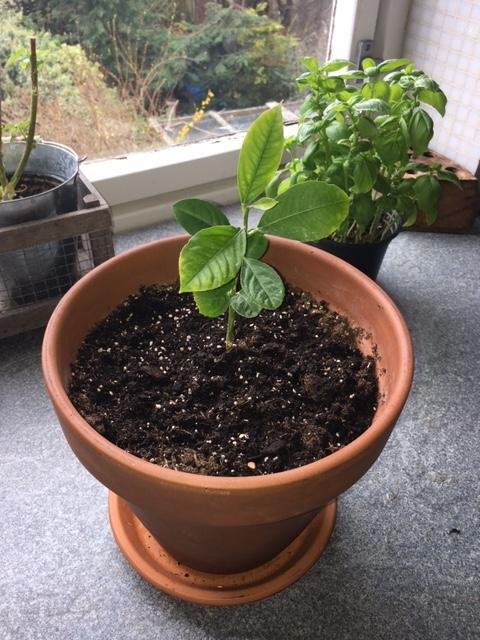
Many gardeners try growing citrus from seeds, but the results can be disappointing. Seed-grown citrus:
- Takes 5–7 years (or more!) to fruit
- Often produces unpredictable or inferior fruit
- May not resemble the parent plant
- Grows slower initially
Cuttings, on the other hand:
✔ Grow faster
✔ Fruit sooner (in 1–2 years)
✔ Are clones of the parent plant
✔ Maintain fruit quality
✔ Are ideal for containers
This makes cuttings the best choice for home gardeners who want quick results and reliable fruiting.
When Is the Best Time to Take Citrus Cuttings?
For highest success, take cuttings during:
- Early Spring – When new growth begins
- Early Monsoon – Humidity boosts rooting
- Late Summer – Warm weather encourages growth
Avoid winter, as low temperatures slow root development.
Step 1: Choosing the Perfect Cutting
The success of your citrus plant begins with selecting the right cutting.
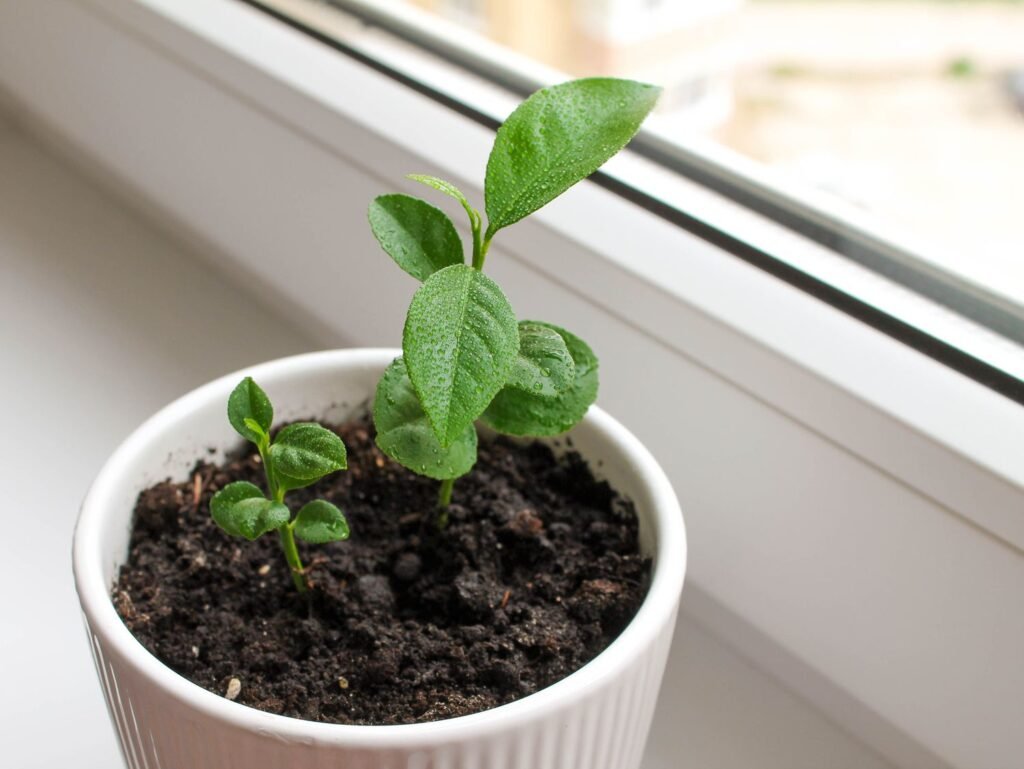
Choose a stem that is:
- Semi-hardwood (neither too young nor too woody)
- Greenish-brown in color
- Healthy, pest-free
- About 6–8 inches long
- As thick as a pencil
Tips for selection:
- Avoid branches that are flowering or fruiting
- Choose outward-facing branches
- Young side shoots root faster than older central branches
Step 2: Preparing the Cutting Properly
Using sterilized pruning shears or a sharp knife:
- Cut a 6–8 inch stem just below a node
- Remove the lower leaves (bottom 50%)
- Keep 2–3 leaves at the top
- If the leaves are too big, cut them in half to reduce water loss
This preparation helps the cutting focus energy on forming new roots.
Step 3: Boost Rooting with Natural or Store-bought Hormones
Rooting hormone dramatically increases the success rate of citrus cuttings.
You can use:
- Aloe vera gel (natural rooting booster)
- Honey (antibacterial, promotes rooting)
- Cinnamon powder (anti-fungal)
- Willow water
- Commercial rooting powder (IBA/NAA)
Dip the cut end ½ inch deep into the rooting material.
Step 4: The Perfect Soil Mix for Citrus Cuttings
Citrus cuttings root best in light, airy, fast-draining soil. Dense soil suffocates new roots and leads to rot.
Mix:
- 40% cocopeat
- 30% coarse sand or perlite
- 30% garden soil or compost
Make sure the mix is loose enough for good airflow but moist enough to support rooting.
Step 5: Planting the Cutting the Right Way
- Make a hole in the soil using a pencil or stick
- Insert the cutting 2–3 inches deep
- Press the soil gently to secure
- Water lightly
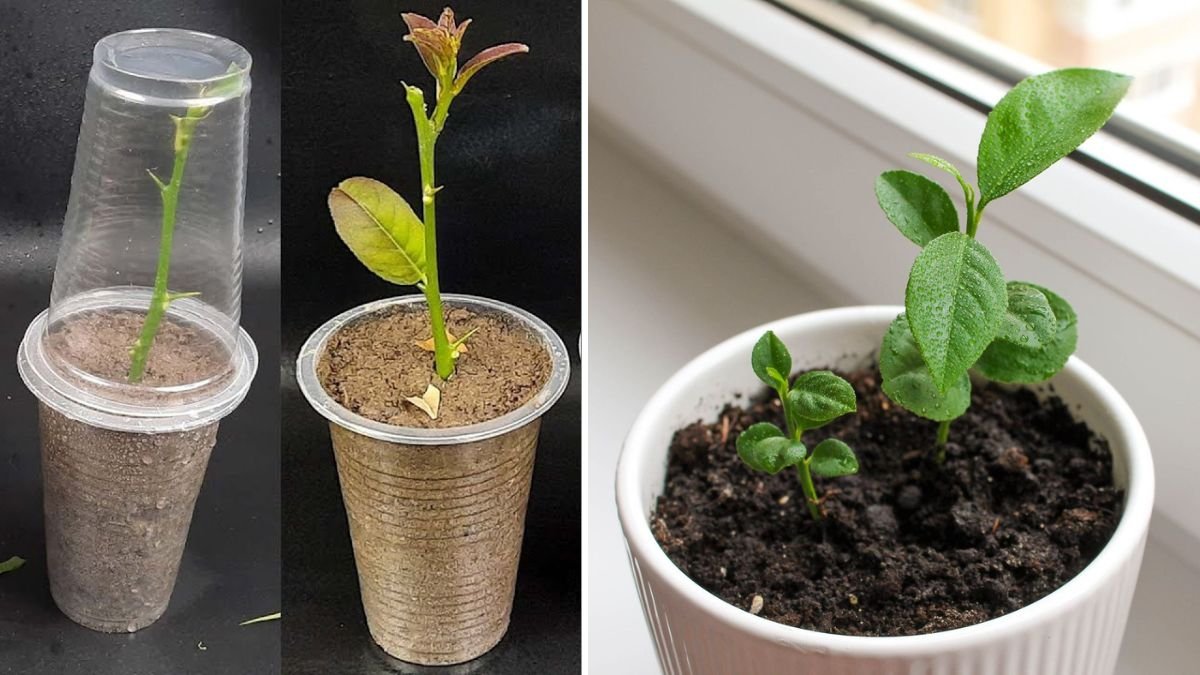
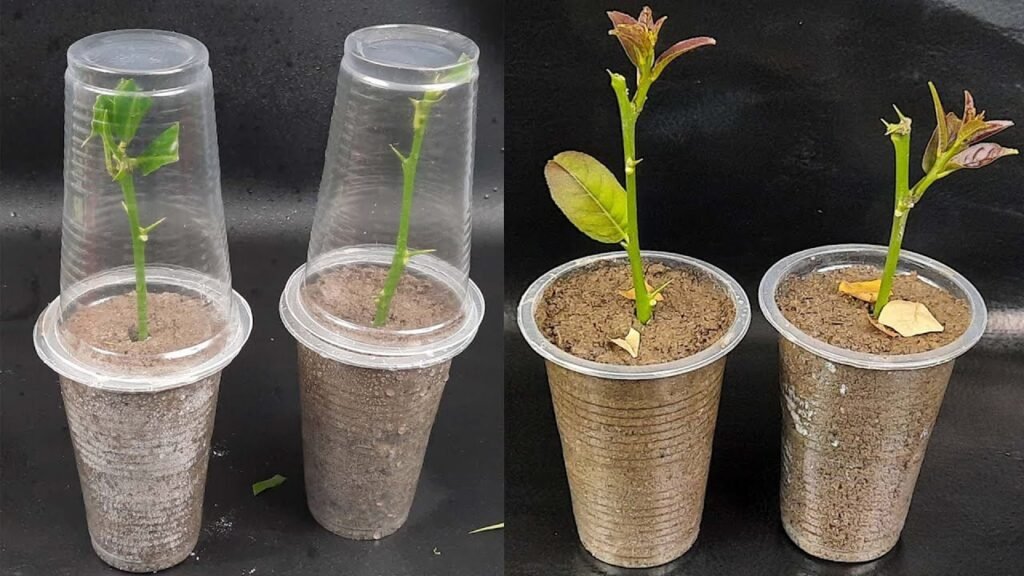
- Cover the pot with a transparent plastic bag or bottle to create a mini greenhouse
This creates a warm, humid environment necessary for root formation.
Care During the Rooting Stage (First 4–6 Weeks)
This stage is crucial. The cutting must stay hydrated but not waterlogged.
Follow these rules:
✔ Keep soil evenly moist
But never soggy. Overwatering is the biggest threat.
✔ Keep in bright, indirect sunlight
Avoid direct harsh sun until roots form.
✔ Maintain high humidity
Your mini greenhouse makes this easy.
✔ Do not disturb the cutting
Avoid pulling to check for roots.
✔ Warm temperature helps
Citrus roots form best at 24–32°C.
Within 4–8 weeks, your cutting will start forming roots.
How to Know Your Cutting Has Rooted
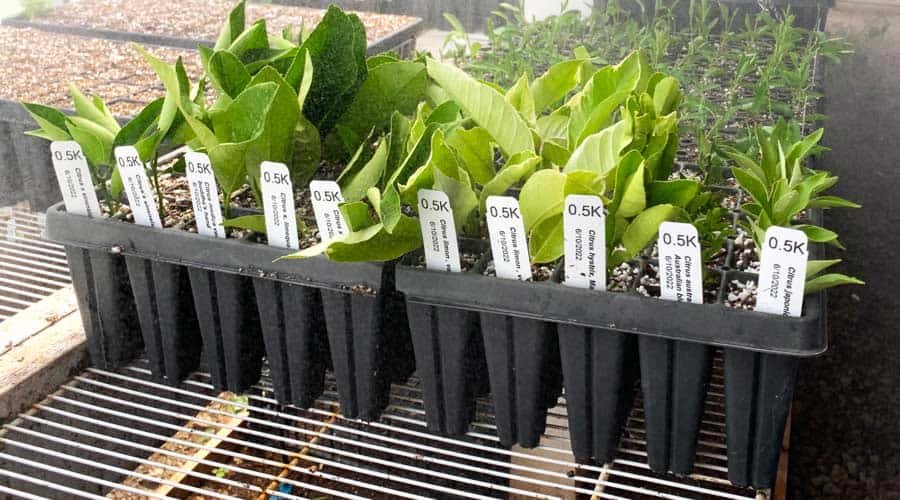
You will see:
- New leaf buds forming
- Leaves becoming firm instead of droopy
- Slight resistance when you tug the stem gently
These are signs your citrus plant has successfully rooted and is ready for the next step.
After Rooting: Transitioning to Sunlight
Rooted cuttings need gradual exposure to sunlight.
Week-by-week guide:
- Week 1: Keep in bright shade
- Week 2: 1–2 hours of morning sun
- Week 3: 3–4 hours
- Week 4 onward: Place in full morning to afternoon sun
Citrus LOVES sunlight. More sun = more fruits.
Transplanting to a Bigger Pot
After 6–8 weeks, when roots are strong, transplant into:
- A 12-inch pot for young plants
- A 16–20 inch pot for long-term growth
Soil for transplanting:
- 50% garden soil
- 30% compost
- 20% river sand
This mix supports healthy growth and drainage.
Fertilizer Schedule for Fast Growth
Citrus trees are heavy feeders. Fertilize regularly to get lush growth and faster fruiting.
Monthly feeding options:
- Vermicompost
- Cow dung manure
- Seaweed extract
- Mustard cake water
- Banana peel tea
- Epsom salt (once every 2 months)
Important:
Avoid chemical fertilizers for young plants—they may burn tender roots.
Pruning for Strong Growth and Higher Yield
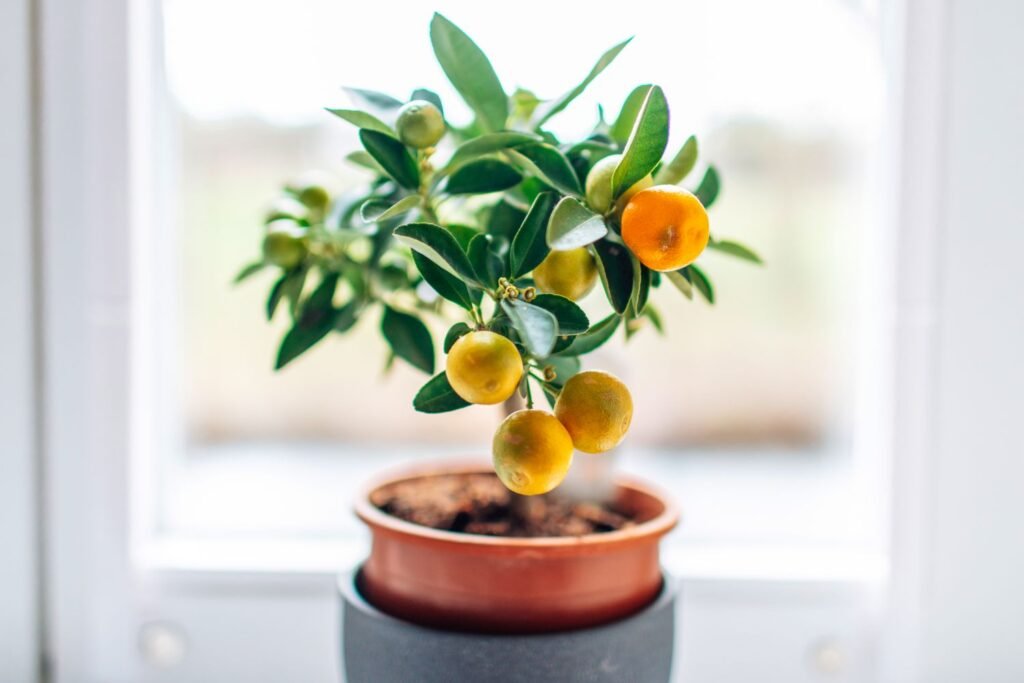
Pruning shapes your citrus tree and encourages fruiting branches.
Prune:
- At the end of winter
- After fruiting
- When branches cross or become too tall
Pinching the tips of new shoots forces the plant to grow side branches, leading to more flowers and fruits.
When Will Your Citrus Cutting Produce Fruits?
If properly cared for:
- Cuttings can begin fruiting within 1–2 years
- Seed-grown trees take 5–7 years
This is why cuttings are the preferred method for home citrus growers.
Growing Citrus in Containers: Tips for Success
Citrus trees grow beautifully in pots if given proper care.
Requirements:
- Minimum 6 hours of sunlight
- Quick-draining soil
- Monthly feeding
- Occasional root pruning
- Adequate watering
Tip:
Use clay pots—they prevent overheating and improve root health.
Pest Management the Natural Way
Citrus can attract:
- Aphids
- Leaf miners
- Whiteflies
- Mealybugs
Natural solutions:
- Spray neem oil weekly
- Soap water spray for aphids
- Sticky traps for whiteflies
- Prune affected leaves
Strong plants naturally resist pests better.
Flowering & Fruiting Secrets
To encourage flowers:
- Provide at least 6 hours of sunlight
- Reduce watering slightly before blooming season
- Apply potash-rich fertilizer
- Avoid over-fertilizing nitrogen
- Keep the plant stress-free
Healthy citrus trees bloom heavily in spring and early monsoon.
Final Thoughts
Growing citrus trees from cuttings is not only simple but incredibly rewarding. With the right cutting, proper rooting method, and regular care, you can enjoy your own homegrown lemons, limes, or oranges in no time. Whether you’re gardening on a balcony or in a backyard, citrus cuttings offer fast, reliable growth and delicious fruit—all from a single branch.
Start today, follow these steps, and soon you’ll have your very own thriving citrus tree ready to fill your home with fragrance, beauty, and fresh fruits!