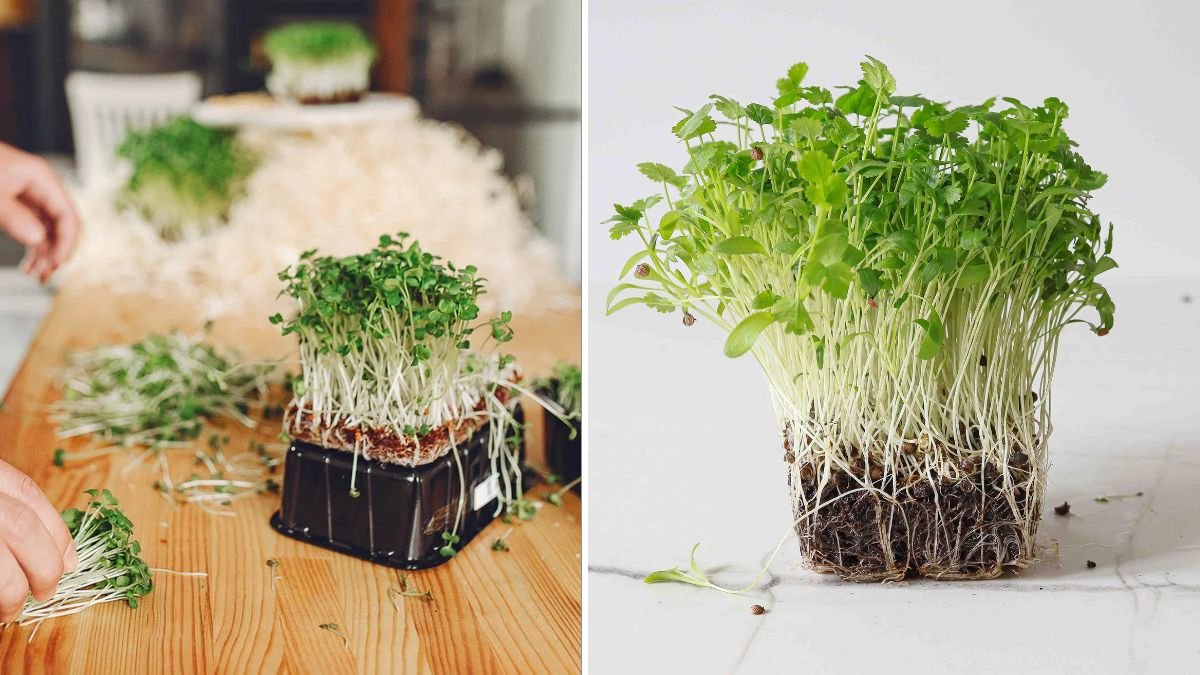
Cilantro, also known as coriander, is a versatile herb cherished in many cuisines worldwide. From Mexican salsas to Indian curries, cilantro enhances flavors and adds a refreshing touch. Microgreens, the young, edible plants harvested at an early stage, offer concentrated flavors and nutrients. Growing cilantro microgreens at home can be a gratifying and straightforward process. In this comprehensive guide, we will delve into all the necessary steps, tips, and best practices for cultivating your cilantro microgreens successfully.
What Are Microgreens?
Microgreens are young, edible plants harvested just after the first true leaves, or cotyledons, emerge. They are usually between 1 to 3 inches tall and are packed with flavor and nutrients. Microgreens are not only easy to grow but can also be used to enhance the taste and presentation of various dishes.
Benefits of Growing Cilantro Microgreens
- Nutritional Powerhouse: Microgreens, including cilantro, contain higher concentrations of vitamins, minerals, and antioxidants than mature plants.
- Flavorful Addition: Cilantro microgreens have a milder, fresher taste than mature cilantro, adding a unique flavor to dishes.
- Easy to Grow: With minimal space and equipment, anyone can grow cilantro microgreens indoors or outdoors.
- Quick Harvest: Cilantro microgreens typically take only 10 to 14 days to grow, allowing for rapid enjoyment.
What You’ll Need
Before diving into the growing process, gather these essential items:
Supplies
- Seeds: Purchase high-quality cilantro seeds specifically labeled for microgreens.
- Growing Medium: Organic potting soil, coconut coir, or a seed-starting mix works best.
- Containers: Shallow trays or containers with drainage holes are ideal.
- Light Source: Natural sunlight (at least 4-6 hours daily) or grow lights.
- Watering Can or Spray Bottle: For gentle watering.
- Plastic Lid or Covers: Optional for creating humidity during germination.
- Scissors: For harvesting.
Optional Supplies
- pH Test Kit: To ensure your water and growing medium have the right acidity.
- Fertilizer: Microgreen-specific liquid nutrients for enhanced growth.
Step-by-Step Guide to Growing Cilantro Microgreens
Step 1: Prepare your Container
Choose your growing container and ensure it has drainage holes. If using a plastic tray or container without holes, consider placing it inside another tray to collect excess water.
- Fill the container: Add about 1 to 2 inches of your chosen growing medium.
- Moisten the soil: Lightly water the growing medium until it’s damp but not soggy. Allow any excess water to drain.
Step 2: Sow the Seeds
- Seed Distribution: Sprinkle the cilantro seeds evenly across the surface of the damp soil. For a dense crop, try to space them about ¼ inch apart.
- Cover the Seeds: Lightly press down on the seeds to ensure contact with the soil. You may also choose to cover the seeds with a thin layer of soil (about 1/8 inch) for better germination.
Step 3: Create a Humid Environment
To encourage germination, cover the tray with a lid or plastic wrap for 3-5 days. This helps maintain humidity and warmth.
- Check Daily: Remove the cover once daily to check moisture levels and allow fresh air in. Water lightly if the soil feels dry.
- Temperature: Aim for a temperature of 68-75°F (20-24°C) for optimal germination.
Step 4: Provide Light
Once the seeds have germinated and you see small sprouts, remove the cover and place the container in a bright location. Cilantro microgreens require plenty of light.
- Natural Light: Place them near a south-facing window.
- Grow Lights: If using artificial lights, position them about 6-12 inches above the plants and keep them on for 12-16 hours daily.
Step 5: Watering and Care
Keep an eye on your microgreens and ensure the growing medium remains moist but not waterlogged.
- Watering Frequency: Water lightly every 2-3 days using a spray bottle or gently from a watering can to avoid displacing the seeds.
- Air Circulation: Ensure good air circulation to prevent mold or fungus. If necessary, use a fan on a low setting.
Step 6: Harvesting
Cilantro microgreens typically reach a suitable size for harvest in 10 to 14 days. They should be about 1-3 inches tall with vibrant green leaves.
- When to Harvest: Look for sprouting true leaves indicating they’re ready to be cut.
- Harvesting Technique: Using clean scissors, cut just above the soil line. Take care not to pull out the roots.
Step 7: Storing Microgreens
After harvesting, you can use your cilantro microgreens immediately or store them for later use.
- Refrigerate: Place them in a damp paper towel and store them in a breathable container in the fridge. They can last up to one week.
- Use Fresh: Cilantro microgreens deliver the best flavor and nutrients when fresh.
Tips for Success
- Rotate Crops: To maintain freshness, stagger your planting every week or two.
- Experiment with Variants: Explore other microgreen varieties to expand your home garden.
- Handle with Care: Be gentle with the microgreens during watering and harvesting to avoid damage.
Common Issues and Solutions
- Leggy Microgreens: If your microgreens are growing tall and weak, they may not be getting enough light. Move them closer to your light source.
- Mold Growth: If you see mold, reduce humidity, improve air circulation, and avoid overly dense seed planting.
- Pests: Small pests can occasionally invade. Ensure cleanliness and inspect regularly.
FAQs
1. How often should I water cilantro microgreens?
You should water lightly every 2-3 days, ensuring the soil is moist but not soggy.
2. Can I grow cilantro microgreens without a light source?
While natural sunlight is ideal, you can grow cilantro microgreens under artificial grow lights if sunlight is insufficient.
3. Can I eat microgreens raw?
Yes, cilantro microgreens are safe and delicious to eat raw. Use them in salads, sandwiches, or as garnishes.
4. How long can I store harvested cilantro microgreens?
Cilantro microgreens can be stored in the refrigerator for about one week if kept in a damp paper towel in a breathable container.
5. What should I do if my cilantro microgreens are not growing?
Ensure they are in a suitable environment with adequate light, humidity, and warmth. Adjust watering techniques if needed.
6. Can I grow cilantro microgreens multiple times?
Yes, you can grow cilantro microgreens continuously by rotating your plantings every week or two.
7. Do I need to fertilize cilantro microgreens?
Fertilization is generally not necessary for microgreens, but you can use a diluted liquid fertilizer if desired.
Conclusion
Growing cilantro microgreens at home is an enjoyable and rewarding venture. By following these simple steps, you can cultivate your supply of this flavorful herb in no time. Whether for culinary uses or the joy of gardening, cilantro microgreens offer a vibrant addition to your meals. Enjoy the process and the fresh taste of homegrown goodness!