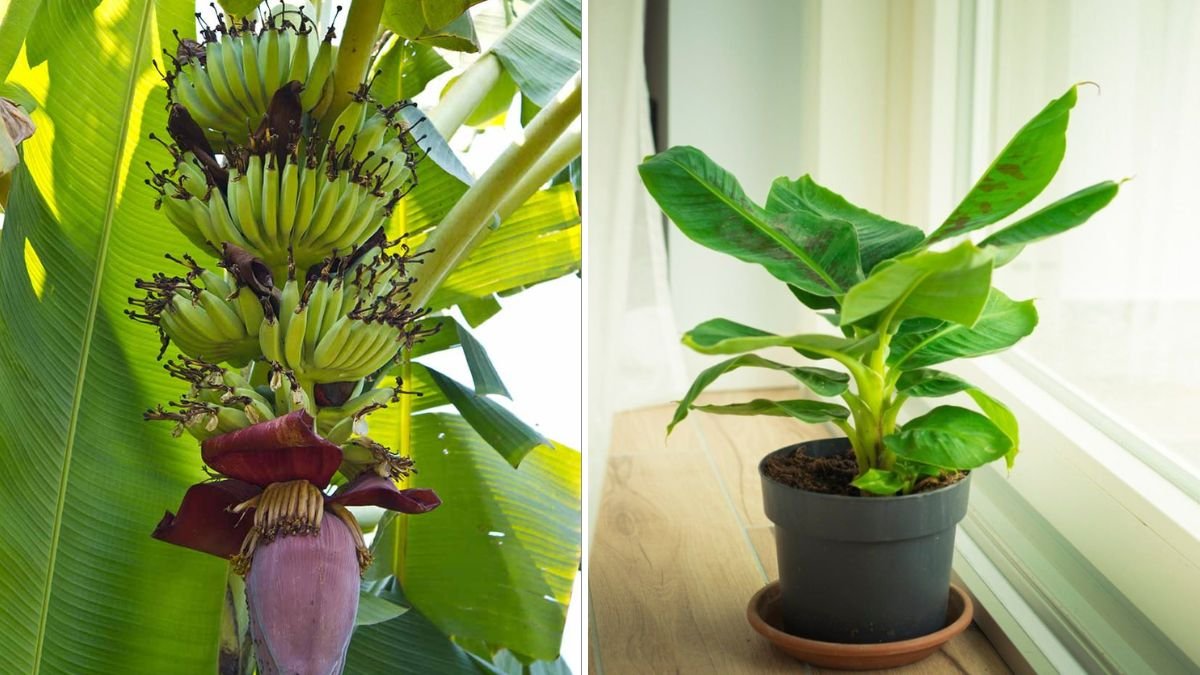
Growing dwarf bananas in your backyard can be a rewarding venture that not only beautifies your garden but also provides you with delicious, home-grown fruit. This guide covers everything you need to know about dwarf banana cultivation, from choosing the right variety to caring for your plants and dealing with common challenges.
Understanding Dwarf Bananas
What are Dwarf Bananas?
Dwarf bananas (Musa acuminata) are smaller, compact varieties of the conventional banana plants, typically reaching heights of only 3 to 5 feet. These plants are ideal for home gardens, especially in areas with limited space, and are often grown for their sweet, flavorful fruit and attractive foliage.
Varieties of Dwarf Bananas
Several dwarf banana varieties exist, each with unique characteristics. Some popular options include:
- Dwarf Cavendish: The most common variety, known for its sweet fruit and sturdy growth habit.
- Raja Puri: This variety is hardy and produces sweet, creamy fruit.
- Dwarf Red Banana: Notable for its reddish-purple skin and distinctive flavor, this variety is not only delicious but also visually appealing.
Cultivation Requirements
1. Climate
Dwarf bananas thrive in USDA hardiness zones 9-11, but they can also be grown in containers and moved indoors during cold months in cooler zones. They prefer warm weather, ideally between 75°F and 95°F.
2. Soil
Bananas prefer well-draining, fertile soil enriched with organic matter. A pH level between 5.5 and 7.0 is ideal. To improve soil fertility, consider adding compost or well-rotted manure.
3. Sunlight
Dwarf banana plants need full sun for optimal growth, requiring at least 6-8 hours of sunlight daily. If grown in partial shade, the plants may produce less fruit.
Planting Dwarf Bananas
1. Choosing the Right Location
Select a site with good drainage, ample sunlight, and protection from strong winds. If planting multiple plants, space them at least 3-4 feet apart to allow for airflow.
2. Preparing the Soil
Clear the area of weeds and debris, then amend the soil with organic matter. Dig a hole twice the size of the root ball of your banana plant.
3. Planting Procedure
- Remove the plant from the container and gently loosen any tightly bound roots.
- Place the plant in the hole, ensuring that the crown (where leaves emerge) is level with the soil surface.
- Backfill with soil, pressing down gently to remove air pockets.
- Water thoroughly after planting.
Care and Maintenance
1. Watering
Banana plants require consistent moisture but do not tolerate waterlogged conditions. Water deeply to encourage deep root growth, aiming to keep the soil evenly moist.
2. Fertilizing
Dwarf bananas are heavy feeders. Use a balanced fertilizer every 6-8 weeks during the growing season. Organic options, like fish emulsion or compost, work well.
3. Pruning
Remove dead or damaged leaves to keep the plant healthy and promote air circulation. Once the banana plant has produced fruit, you can cut it back to ground level; new shoots will emerge from the rhizome.
4. Mulching
Apply a layer of organic mulch around the base of the plant to retain moisture, suppress weeds, and add nutrients as it breaks down.
Common Pests and Diseases
1. Pests
Several pests can affect banana plants, including:
- Aphids: These small insects can weaken plants by sucking sap. Use insecticidal soap or neem oil for treatment.
- Spider mites: Look for webbing on leaves. Regular misting can help deter these pests.
- Fruit flies: They can infest ripening fruits; using traps can mitigate their presence.
2. Diseases
Common diseases in banana plants include:
- Fusarium wilt: A soil-borne fungal disease that causes yellowing leaves. It is often fatal. Rotate crops and plant resistant varieties to manage this.
- Black sigatoka: A fungal disease that affects leaves, reducing fruit quality. Monitor plants and apply fungicides if necessary.
Harvesting Dwarf Bananas
Bananas typically take about 9 months from flowering to harvesting. You’ll know the fruit is ready when they are plump and slightly rounded. Cut the entire bunch from the plant when it’s ready—using a sharp knife or pruning shear to avoid damaging the plant.
Storing Bananas
Store harvested bananas in a cool, dark place to ripen. Once ripened, they can be used immediately, frozen for later use, or left to ripen on the counter.
FAQs
1. Can I grow dwarf bananas in a pot?
Yes, dwarf bananas grow well in pots! Choose a large container (at least 15-20 gallons) and ensure it has drainage holes. Regularly monitor moisture levels, as potted plants may dry out faster.
2. How much light do dwarf bananas need?
Dwarf bananas require at least 6-8 hours of direct sunlight daily for optimal growth and fruit production.
3. What is the best fertilizer for dwarf bananas?
A balanced fertilizer with equal parts nitrogen, phosphorus, and potassium (such as 10-10-10) is ideal. Organic options like compost or fish emulsion can also be effective.
4. How can I tell when my bananas are ready to harvest?
Bananas are ready to harvest when they are plump, slightly rounded, and have filled out in the bunch. The skin should be a bright yellow with a slight sheen.
5. Can I grow dwarf bananas indoors?
Yes, you can grow dwarf bananas indoors if you provide sufficient light and warmth. Consider supplemental grow lights if natural sunlight is insufficient.
6. Are dwarf bananas more resistant to pests and diseases than standard-sized bananas?
While dwarf bananas may face similar pests and diseases as regular bananas, proper care, including good hygiene and crop rotation, can help manage potential issues effectively.
7. How tall do dwarf banana plants grow?
Dwarf bananas typically grow to a height of 3 to 5 feet, making them a great option for smaller gardens or container gardening.
8. Do dwarf bananas require pruning?
Yes, regular pruning is necessary to remove dead or damaged leaves and allow for airflow. After fruiting, the main stalk can be cut down to promote new growth from the base.
Conclusion
Growing dwarf bananas in your backyard is a fulfilling endeavor that can yield delicious results. With the right conditions and care, you can successfully cultivate these vibrant plants, adding beauty and bounty to your garden. With this ultimate guide, you’re well-equipped to embark on your banana-growing journey. Happy gardening!