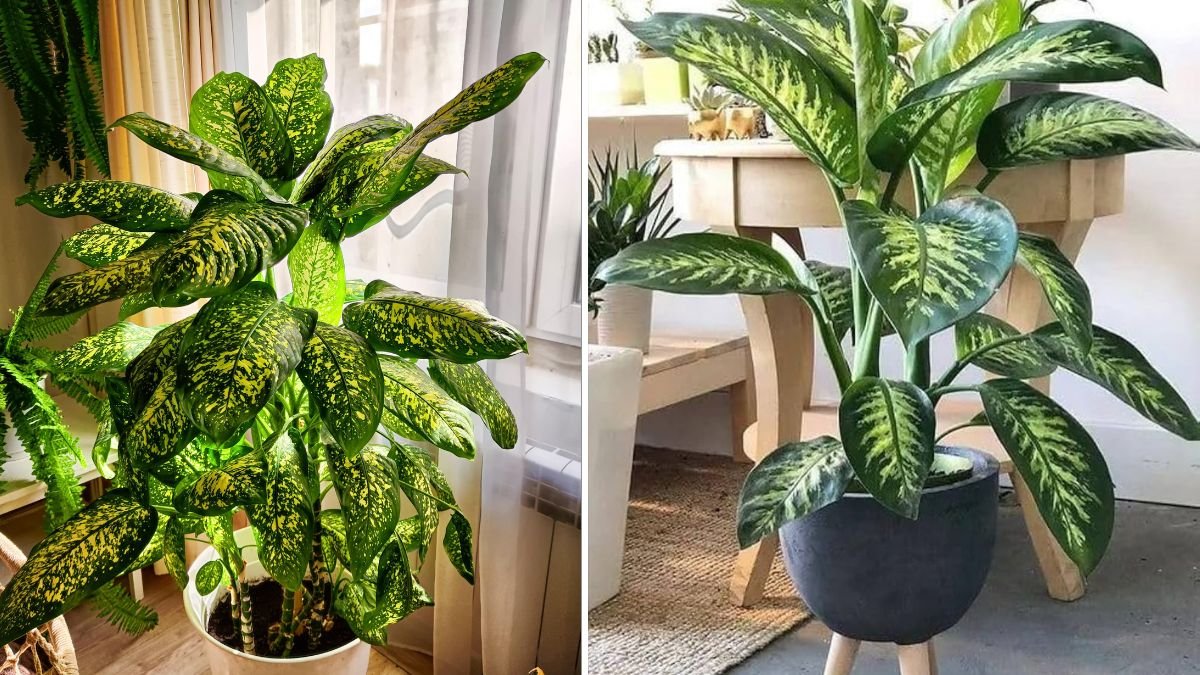
Dumb cane (Dieffenbachia) is a popular houseplant known for its striking foliage and ease of care. Its lush, variegated leaves make it a standout choice for both indoor and outdoor gardens, adding a tropical touch to any space. In this guide, we’ll explore the best practices for cultivating Dumb Cane, tips for ensuring it thrives, and ways to design stunning garden displays.
1. Understanding Dumb Cane
Dumb Cane is native to tropical America and belongs to the family Araceae. The most common varieties include Dieffenbachia seguine and Dieffenbachia maculata. These plants are valued for their large, broad leaves that feature green hues interspersed with cream or yellow patterns. Though beautiful, it’s essential to handle Dumb Cane with care—its sap can be toxic if ingested, causing irritation.
2. Choosing the Right Location
Indoor Displays
When cultivating Dumb Cane indoors:
-
Light Requirements: Choose a spot with bright, indirect sunlight. Direct exposure to intense sunlight can scorch the leaves, while too little light may inhibit growth and reduce leaf variegation.
-
Temperature and Humidity: Dumb Cane thrives in temperatures between 60°F and 80°F (15°C to 27°C) and prefers high humidity. Using a humidifier or placing the plant on a pebble tray filled with water can improve humidity levels.
Outdoor Displays
For outdoor displays, consider the following:
-
Climate: Dumb Cane is best suited for USDA Zones 10-12. If you reside in cooler climates, consider using it as a seasonal outdoor plant.
-
Light and Positioning: Choose a shaded area that receives filtered light. Locations near larger plants or trees can provide the necessary protection from harsh sunlight.
3. Soil and Potting
Soil Requirements
Dumb Cane requires well-draining soil to avoid root rot. An ideal potting mix may contain:
- Peat moss
- Perlite or vermiculite
- A bit of compost for added nutrients
Potting
When potting your Dumb Cane:
-
Select a pot that allows excess water to drain out, ideally one with holes at the bottom.
-
Fill the pot with the prepared soil mix, leaving enough space for the plant’s roots.
-
Place the Dumb Cane in the center, gently spreading the roots, and fill in around the sides with soil.
-
Water thoroughly after potting to eliminate air pockets.
4. Watering and Fertilizing
Watering
The watering frequency for Dumb Cane generally depends on the season:
-
Spring and Summer: These growth seasons require more frequent watering. Water when the top inch of soil feels dry.
-
Fall and Winter: Reduce watering during the rest period; allowing the soil to dry slightly between watering is beneficial.
Fertilizing
-
Frequency: Apply a balanced liquid fertilizer every 4-6 weeks during the growing season (spring and summer).
-
Type of Fertilizer: Use a diluted, water-soluble fertilizer to avoid over-fertilization, which can lead to leaf burn.
5. Pruning and Maintenance
Regular Pruning
Pruning is essential for maintaining a healthy Dumb Cane plant.
-
Timing: The best time to prune is in the spring as the plant resumes growth.
-
Method: Remove any yellowing leaves or stems that have become too tall. This encourages bushier growth and enhances air circulation within the plant.
Pest Management
Dumb Cane is susceptible to common houseplant pests like:
-
Spider Mites: Look for fine webbing on the leaves. Use insecticidal soap or wipe the leaves with a damp cloth to remove them.
-
Mealybugs and Aphids: Treat infestations with neem oil or a mixture of mild soap and water.
6. Propagation
Dumb Cane can be propagated easily through stem cuttings. Here’s how:
-
Selecting a Stem: Choose a healthy stem about 4-6 inches long, preferably with several leaves.
-
Making the Cut: Cut just below a node where the leaves meet the stem.
-
Rooting: Place the cutting in water or directly into moist potting soil. If using water, once roots develop (approximately 2-4 weeks), transfer to soil.
-
Transplanting: After the roots are a few inches long, transplant into a pot with the appropriate soil mix.
7. Designing Stunning Garden Displays
Indoor Décor
For indoor settings, consider the following display ideas:
-
Grouping with Other Plants: Combine Dumb Cane with other tropical plants like ferns or peace lilies for an indoor jungle feel.
-
Accent Design: Use decorative planters and position Dumb Cane near windows or entryways for maximum visual impact.
Outdoor Arrangements
For outdoor displays:
-
Tropical Oasis: Pair Dumb Cane with bromeliads, palms, and other tropical plants to create a vibrant garden oasis.
-
Container Gardening: Cultivate Dumb Cane in decorative pots on patios or decks. These movable displays can create focal points and allow for seasonal adjustments.
8. Caring Through Seasonal Changes
Winter Care
Dumb Cane should be brought indoors before the frost. Reduce watering and fertilization during this period, and monitor for pests as indoor conditions can attract them.
Summer Care
During warmer months, increase humidity and consider moving the plant outdoors for better light. Ensure it is in a safe location that protects it from direct sun.
9. Common Issues and Troubleshooting
Leaf Yellowing
-
Causes: Overwatering, insufficient light, or nutrient deficiencies may cause yellowing leaves.
-
Solution: Adjust your watering schedule and ensure adequate light and nutrient availability.
Wilting
-
Causes: Underwatering or extreme heat can lead to wilting.
-
Solution: Check soil moisture and adjust your watering frequency accordingly.
FAQs
1. Is Dumb Cane safe for pets and children?
Answer: Dumb Cane contains calcium oxalate crystals, which can be toxic if ingested, causing irritation. Keep it out of reach of pets and children.
2. How often should I repot my Dumb Cane?
Answer: Repot every 1-2 years or when you notice the roots growing out of the drainage holes, indicating that it’s root-bound.
3. Can Dumb Cane grow outdoors year-round?
Answer: Yes, but only in USDA Zones 10-12. In cooler climates, it can be grown outdoors during warmer months and should be brought indoors during the winter.
4. Why are the tips of my Dumb Cane leaves turning brown?
Answer: Browning tips can be a sign of low humidity or underwatering. Increase humidity levels and ensure a consistent watering schedule.
5. How can I encourage my Dumb Cane to grow taller?
Answer: Provide adequate light and nutrients, ensure regular watering, and prune off any dead leaves to encourage vertical growth.
Conclusion
With its stunning foliage and manageable care requirements, Dumb Cane can be a beautiful addition to your indoor and outdoor garden displays. By understanding its needs, you can successfully cultivate this remarkable plant, bringing a touch of the tropics to your living space. Whether you’re decorating your home or designing a vibrant outdoor garden, a well-cared-for Dumb Cane is sure to impress.