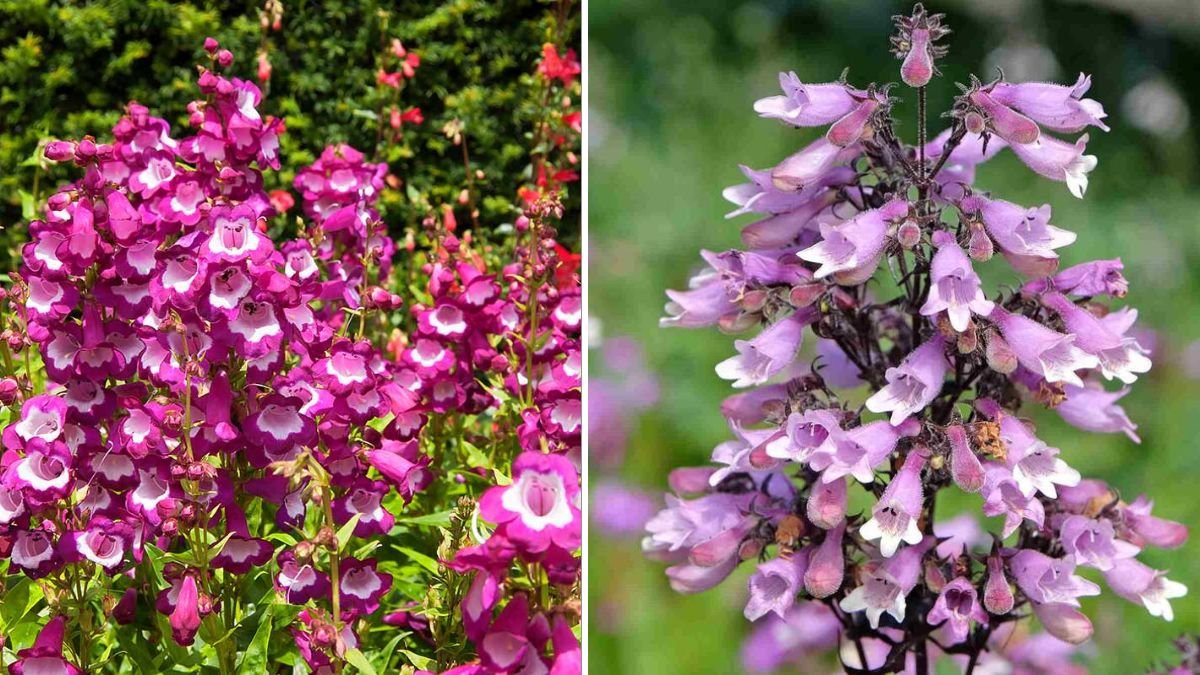
Penstemon, commonly known as beardtongue, is a stunning perennial flower known for its tubular blossoms that attract hummingbirds and add a pop of color to any garden. With a broad range of species and hybrids, their variations in color, size, and growth habits provide endless options for gardeners looking to enhance their outdoor spaces. Cultivating healthy and vibrant penstemon flowers requires a good understanding of their requirements and some effective gardening techniques. This article explores essential strategies for growing these delightful flowers and answers common questions about their care.
Overview of Penstemon
Types of Penstemon
There are over 250 species of Penstemon, thriving in various climates and soil types. Here are a few notable varieties:
-
Penstemon digitalis: Known as foxglove beardtongue, it produces white flowers with purple throats. It’s a hardy variety that thrives in slightly moist environments.
-
Penstemon heterophyllus: This species, also known as California penstemon, showcases brilliant blue and purple flowers. It is ideal for xeriscaping due to its drought-resistant nature.
-
Penstemon barbatus: Commonly called red penstemon, it features bright red flowers that attract hummingbirds, making it a favorite among pollinator gardens.
Planting Zone Considerations
Penstemons are resilient and can adapt to different climates, with many thriving in USDA hardiness zones ranging from 3 to 9. Before planting, always check the specific requirements for your chosen variety.
Preparing Your Garden Bed
1. Soil Selection
Penstemon prefers well-drained, sandy or loamy soil. To enhance drainage:
- Amend the Soil: Mix organic matter like compost or well-rotted manure into the soil. This will improve nutrient content and drainage.
- pH Level: Ensure the soil pH is slightly acidic to neutral (around 6.0 to 7.0) for optimal growth. You can test the pH level using a soil testing kit.
2. Sunlight Requirements
Penstemons thrive in full sun but can tolerate some light shade. Aiming for at least 6 hours of direct sunlight daily will produce the best blooms. If your garden location has too much shade, consider:
- Pruning Overhanging Branches: This will allow more sunlight to reach your plants.
- Choosing Proper Varieties: Some species may tolerate partial shade better than others.
3. Spacing and Layout
When planting penstemons, consider their mature size and spread. Space plants approximately 12 to 24 inches apart, ensuring adequate airflow around each plant. This spacing helps to prevent fungal diseases and encourages healthy growth.
Planting Techniques
1. Timing
The best time to plant penstemon is in the spring or fall, allowing roots to establish before extreme temperatures hit. Avoid planting in the height of summer heat, as young plants can struggle to thrive.
2. Propagation Methods
You can propagate penstemon through seeds, cuttings, or division. Here’s a breakdown:
- Seeds: Start seeds indoors 8-10 weeks before the last frost date. Transplant seedlings outdoors when they’re a few inches tall.
- Cuttings: Take softwood cuttings in early summer. Use a rooting hormone and keep the cuttings in a humid environment until roots have developed.
- Division: Established plants can be divided every 3-4 years in the spring or fall, helping to maintain their vigor and promote more blooms.
Watering and Fertilization
1. Watering
Penstemons are drought-tolerant once established. However, they require sufficient water during their initial growing period. Here are some guidelines for watering:
- Initial Watering: Water newly planted penstemons deeply once a week for the first month.
- Established Plants: After establishment, water only during prolonged dry spells. Avoid overwatering, as this can lead to root rot.
2. Fertilization
Penstemon does not require excessive fertilization. A balanced, slow-release fertilizer applied in early spring will suffice. Follow these tips:
- Type of Fertilizer: Use a fertilizer low in nitrogen, as high nitrogen can lead to excessive leaf growth with fewer blooms.
- Organic Options: Organic options like fish emulsion or compost can provide necessary nutrients without the risk of over-fertilization.
Pest and Disease Management
1. Common Pests
While penstemon is generally hardy, it can attract certain pests:
- Aphids: These small insects can sap the plant’s energy. Use insecticidal soap or introduce beneficial insects like ladybugs to manage infestations.
- Spider Mites: Keep an eye out for these tiny pests, especially in dry conditions. Regularly misting plants can help reduce their populations.
2. Diseases
Fungal Diseases: Poor airflow can lead to fungal diseases like powdery mildew. To prevent this:
- Spacing: Ensure adequate spacing between plants.
- Watering: Water at the base of plants rather than overhead to keep foliage dry.
Maintenance Tips for Vibrant Blooms
1. Deadheading
Regular deadheading encourages more blooms and prolongs the flowering season. Remove spent flowers to redirect energy back into the plant rather than seed production.
2. Pruning
Consider light pruning to maintain shape and size. This can be done after blooming in late summer or early fall.
3. Winter Care
In colder climates, protect penstemons by applying a layer of mulch around the base in late fall. This will insulate roots and prevent frost heave. In warmer climates, avoid excessive winter moisture by ensuring good drainage.
Companion Planting
1. Ideal Companions
Penstemon pairs beautifully with other perennial flowers that share similar sunlight and soil requirements. Good companions include:
- Echinacea (Coneflower): Adds height and attracts pollinators.
- Achillea (Yarrow): Complements penstemon’s color with its blooms.
- Lavandula (Lavender): Provides a beautiful contrast with a lovely fragrance.
2. Avoiding Companions
Steer clear of plants that require heavy watering or shade, as they may hinder penstemon’s growth.
Conclusion
Growing vibrant penstemon tubular flowers can significantly enhance your garden’s aesthetics while attracting pollinators and beneficial insects. By understanding their needs and applying effective cultivation techniques, your penstemon will thrive, producing stunning blooms year after year. From selecting the right variety and soil to maintaining their health, every step you take contributes to a flourishing display of color.
FAQs
1. How often should I water penstemon?
Initially, water newly planted penstemon deeply once a week for the first month and typically, established plants need watering only during extended dry spells.
2. What diseases should I be aware of when growing penstemon?
Common issues include powdery mildew and root rot, often exacerbated by overcrowding and overwatering. Maintain good airflow and avoid excessive moisture.
3. Can penstemon grow in shade?
Penstemon prefers full sun but some varieties can tolerate light shade. However, blooming may be reduced compared to plants grown in optimal sunlight.
4. How long do penstemon plants live?
With proper care, penstemon plants can live for several years, typically ranging from 3 to 5 years, although some species may last longer.
5. When is the best time to plant penstemon?
Spring or fall is the ideal time for planting penstemon to allow for root establishment before extreme temperatures arrive.
6. Do I need to protect penstemon in the winter?
In colder climates, applying mulch around the base of your plants can help protect them from frost heave and extreme cold temperatures.
By following these guidelines, you will establish a thriving patch of penstemon that showcases vibrant blooms and attracts the attention of local pollinators, enhancing the beauty and ecology of your garden.