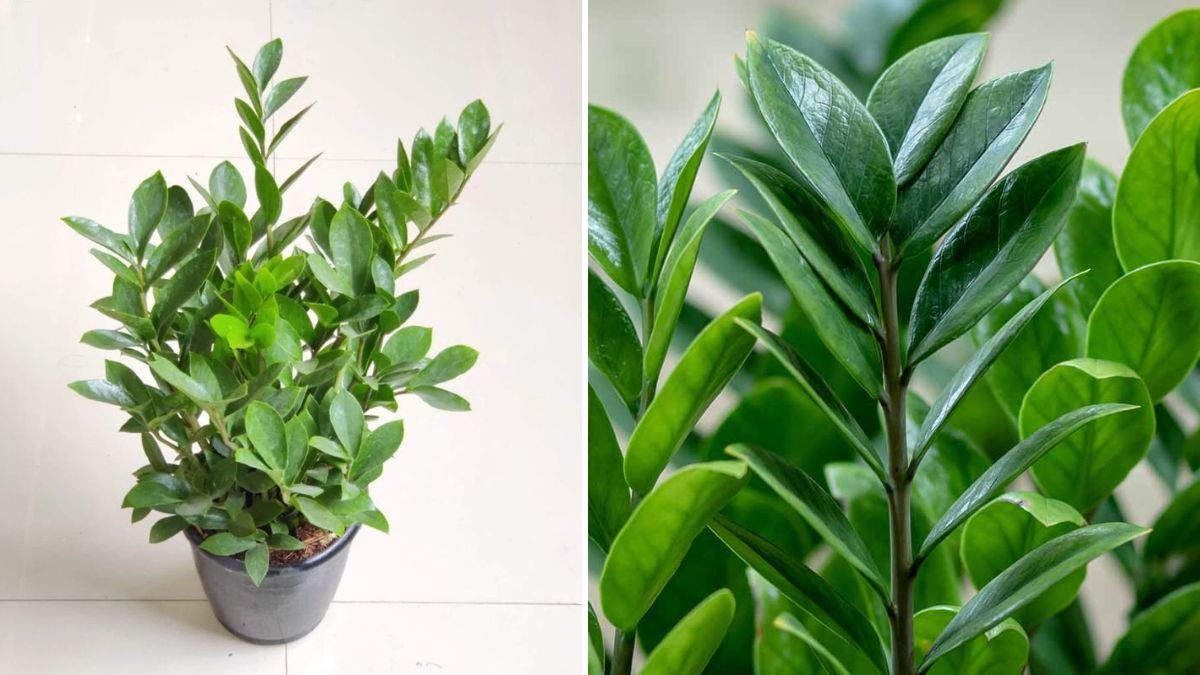
The ZZ plant (Zamioculcas zamiifolia) has rapidly gained popularity among indoor plant enthusiasts due to its striking appearance and remarkable resilience. Known for its glossy, dark green leaves and ability to thrive in challenging conditions, the ZZ plant is particularly well-suited for low light environments. This article will discuss effective strategies for cultivating ZZ plants in low light conditions, including care tips, watering techniques, fertilization advice, and common challenges faced by growers.
Understanding the ZZ Plant
The ZZ plant is a perennial native to Eastern Africa, where it adapts to various environments, including low-light understory areas. Its leaves are waxy and thick, allowing the plant to store moisture, which helps it survive long periods without water. This resilience makes the ZZ plant an ideal choice for office spaces, homes with limited sunlight, or areas where other plants might struggle.
Light Requirements
While the ZZ plant is famously tolerant of low light conditions, it does have some light requirements. Here are some key points to remember:
- Indirect Light: ZZ plants prefer indirect light. They do not require direct sunlight, as exposure can scorch their leaves. For best results, place the plant near a north-facing window or in a room with filtered light.
- Low Light Tolerance: The ZZ plant can survive in low-light conditions, making it perfect for spaces with minimal natural light. However, while they can endure such environments, their growth may be slower compared to those in brighter conditions.
Selecting the Right Location
When choosing a location for your ZZ plant, consider the following:
-
Avoid Direct Sunlight: Too much direct light can harm the plant. Look for a spot that receives bright, filtered light or has consistent, low light.
-
Avoid Drafts: ZZ plants do not like drafts or temperature fluctuations. Place the plant in a stable environment away from heating vents, air conditioners, or open windows.
-
Accessibility: Consider placing the ZZ plant within easy reach for maintenance. This will make it simpler to check the soil moisture, prune the plant, or repot it when necessary.
Soil and Potting
Choosing the right potting medium is essential for the health of your ZZ plant.
Soil Type
-
Well-Draining Soil: A potting mix designed for succulents or cacti is ideal. This type of soil provides excellent drainage and prevents root rot, which is a common issue with ZZ plants.
-
Homemade Mixture: You can create your own soil mix using equal parts potting soil, perlite, and coarse sand. This combination ensures that the soil retains some moisture while allowing excess water to drain efficiently.
Pot Selection
-
Drainage Holes: Always use a pot with drainage holes to allow excess water to escape. This helps prevent root rot, which can occur if the plant sits in soggy soil.
-
Pot Size: When repotting, choose a pot that’s only one size larger than the current one. ZZ plants prefer to be slightly root-bound, which encourages healthy growth.
Watering Practices
ZZ plants are exceptionally drought-tolerant, and overwatering is one of the most common mistakes made by new growers.
Watering Frequency
-
Infrequent Watering: Allow the top couple of inches of the soil to dry out between waterings. In low light conditions, the plant will require even less frequent watering than in brighter environments—typically once every 2-4 weeks.
-
Signs of Overwatering: Yellowing leaves or mushy stems are signs that you may be overwatering. If you notice these symptoms, allow the soil to dry out before watering again.
Feeding Your ZZ Plant
Fertilizing your ZZ plant can help it maintain health and vigor, although it’s not a demanding feeder.
-
Type of Fertilizer: Use a balanced, water-soluble fertilizer diluted to half strength. A fertilizer high in nitrogen is ideal for promoting healthy leaf growth.
-
Frequency: Fertilize your ZZ plant once during the growing season (spring and summer). During the fall and winter, the plant’s growth slows down, and it requires less or no fertilizer.
Pruning and Maintenance
Regular maintenance helps ensure your ZZ plant remains healthy and visually appealing.
Pruning Techniques
-
Remove Dead Leaves: Regularly inspect your plant for yellowing or dead leaves. Prune these off to encourage new growth and maintain plant health.
-
Shape and Size: If your ZZ plant becomes too large or sprawls out, you can prune it to maintain its shape. Be sure to use clean, sharp tools to make clean cuts.
Cleaning the Leaves
Dust can accumulate on the glossy leaves, affecting light absorption and overall health.
-
Dusting: Wipe the leaves gently with a damp cloth to remove dust and allow the plant to photosynthesize better.
-
Showering: Occasionally placing the plant in the shower for a gentle rinse can also help keep the leaves clean.
Common Challenges and Solutions
While ZZ plants are hardy, they can still face some challenges, especially in low-light conditions.
Pests
- Spider Mites and Mealybugs: Monitor your plant for signs of pests. If detected, isolate the plant and treat it with insecticidal soap or neem oil.
Yellowing Leaves
-
Overwatering: As mentioned, yellow leaves usually signal overwatering. Adjust your watering schedule accordingly.
-
Low Light: If leaves start yellowing in low light, consider moving the plant to a brighter spot with indirect light.
Root Rot
- Prevention: To prevent root rot, ensure the pot and soil used provide excellent drainage. Monitor your watering habits closely.
Additional Tips for Success
-
Humidity Levels: ZZ plants thrive in average humidity levels. They can tolerate drier air, making them suitable for indoor environments. However, occasional misting can benefit the plant.
-
Temperature Range: They prefer temperatures between 65°F and 85°F (18°C – 29°C). Keep the plant away from extreme cold or heat.
-
Patience is Key: ZZ plants grow slowly, especially in low light. Be patient and allow your plant the time it needs to thrive.
FAQs
1. How often should I water my ZZ plant in low light conditions?
In low light, water your ZZ plant every 2 to 4 weeks. Always allow the top couple of inches of soil to dry out before watering.
2. Can ZZ plants survive in complete darkness?
While ZZ plants can tolerate low light, they will not thrive in complete darkness. Some indirect light is necessary for healthy growth.
3. How do I propagate my ZZ plant?
ZZ plants can be propagated through leaf cuttings or division. Allow cuttings to callous over for a few days before placing them in soil.
4. Is the ZZ plant toxic to pets?
Yes, the ZZ plant is toxic to pets if ingested. Keep it out of reach of curious animals.
5. How can I tell if my ZZ plant is getting too much light?
If you notice scorched or brown leaf tips, your plant may be getting too much direct light. Move it to a spot with filtered or indirect light.
6. Do ZZ plants need a lot of fertilizers?
No, ZZ plants are not heavy feeders. They only require fertilization once during the growing season (spring and summer).
7. How can I tell if my plant is healthy?
Healthy ZZ plants have vibrant green leaves with no yellowing or other discoloration. Healthy growth typically includes new shoots and leaves.
Conclusion
The ZZ plant is an adaptable and resilient choice for those looking to add greenery to low-light spaces. By following the strategies discussed in this article—such as understanding their light requirements, using the right soil, and implementing proper watering and care techniques—you can cultivate a thriving ZZ plant that enhances the beauty of your home or office. With patience and diligence, your ZZ plant will not only survive but flourish in its low-light environment.