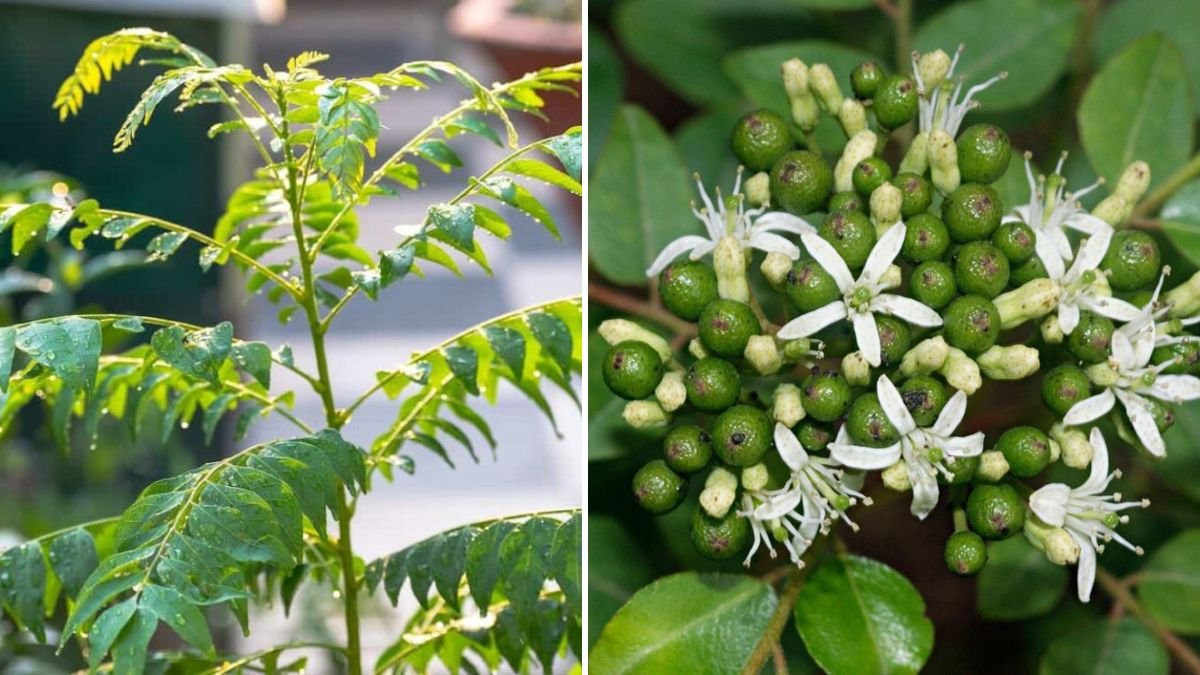
Curry leaves, a staple in Indian cuisine, are known for their aromatic flavor and health benefits. Growing your own curry leaves plant can be rewarding, providing you with fresh leaves for your culinary endeavors all year round. In this article, we’ll explore everything you need to know about growing curry leaves at home, including suitable growing conditions, care tips, and common issues you may encounter.
1. Understanding Curry Leaves
Curry leaves (Murraya koenigii) are the leaves of the curry tree, native to India and parts of Southeast Asia. These leaves are not just a flavor enhancer; they are packed with nutrients, antioxidants, and medicinal properties. They are used both fresh and dried in various dishes. This vibrant green plant can be grown in pots or gardens, making it an ideal choice for home gardeners.
2. Choosing the Right Variety
While there are several varieties of curry leaves, the most common in culinary uses is the sweet curry leaf (Murraya koenigii). Ensure that you obtain seeds or seedlings from a reputable source, as the right cultivar is essential for taste and aroma.
3. Ideal Growing Conditions
Climate: Curry leaves thrive in warm, tropical climates. They prefer temperatures between 70°F to 85°F (21°C to 29°C). If you live in a cooler climate, consider growing the plant in a pot that can be brought indoors during winter.
Light Requirements: This plant loves sunlight. Ideally, it needs at least 6-8 hours of direct sunlight each day. A south-facing window or a sunny balcony is perfect for growing curry leaves indoors.
Soil Type: Curry leaves prefer well-draining soil rich in organic matter. A mix of potting soil, compost, and sand works well. The pH level should be slightly acidic to neutral, ideally between 6.0 and 7.0.
4. Planting Your Curry Leaves
Starting from Seeds
-
Soak the Seeds: Begin by soaking the seeds in water for 24 hours to facilitate germination.
-
Prepare the Soil: Fill a seed tray or small pots with a well-draining potting mix.
-
Planting: Plant the seeds about half an inch deep in the soil. Water the soil lightly to ensure it’s moist but not waterlogged.
-
Germination: Keep the soil consistently moist. Germination usually takes 2-3 weeks.
Starting from Cuttings
-
Select Healthy Cuttings: Take cuttings from a healthy mature curry leaves plant, ensuring they are 6-8 inches long and have at least 2-3 leaves.
-
Rooting Hormone: Dip the cut end of the cutting in rooting hormone to encourage faster rooting.
-
Planting: Place the cuttings in a pot filled with a well-draining potting mix. Water the soil lightly and cover the pot with a plastic bag to create a humid environment.
-
Rooting Time: Remove the bag after a few weeks once the roots develop, ensuring to keep the soil moist.
5. Caring for Your Curry Leaves Plant
Watering
Curry leaves prefer consistently moist soil but are susceptible to root rot. Water the plant when the top inch of the soil feels dry. During the summer, you may need to water more frequently.
Fertilization
Fertilize your curry leaves plant every 4-6 weeks during the growing season (spring and summer) using a balanced liquid fertilizer. Organic options like fish emulsion or compost tea work well too.
Pruning
Prune your curry leaves plant regularly to encourage bushy growth and improve airflow. Remove any yellow or damaged leaves and trim back leggy growth to promote a fuller appearance.
Pest and Disease Management
Common pests include aphids, spider mites, and whiteflies. Regularly inspect your plant for signs of infestation. If pests are detected, use insecticidal soap or neem oil. Fungal diseases can occur if the plant is overwatered or lacks proper air circulation.
6. Harvesting Curry Leaves
Once your plant is established, you can start harvesting curry leaves. Always use clean, sharp scissors or pruning shears to avoid damaging the plant. Regular harvesting encourages new growth, so don’t hesitate to take a few leaves whenever you need them. Avoid stripping the plant entirely; instead, take only what you require to ensure continuous production.
7. Storing Curry Leaves
Fresh curry leaves can be stored in several ways:
- Refrigeration: Wrap the leaves in a damp paper towel and place them in a sealed bag. They can last for about a week.
- Freezing: Wash and dry the leaves, then place them in an airtight container or freezer bag. Frozen leaves retain their flavor and can last for several months.
- Drying: You can also dry curry leaves in the shade or in a dehydrator. Once completely dry, store them in an airtight container. Dried leaves can last for a year or more but will lose some of their flavor.
8. Common Issues and Troubleshooting
Yellow Leaves: This can indicate overwatering or nutrient deficiency. Ensure proper watering practices and consider fertilizing.
Stunted Growth: If your plant is not growing well, check for proper sunlight, watering, and soil conditions.
Leaf Drop: A sudden drop in leaves can happen due to stress, such as changes in temperature or light. Ensure you gradually acclimate your plant to different environments.
FAQs
1. How long does it take for curry leaves to grow?
Typically, curry leaves take around 3 to 4 weeks to germinate from seeds and about 6-12 months to mature, depending on growing conditions.
2. Can I grow curry leaves indoors?
Yes, curry leaves can be grown indoors. Ensure they receive sufficient sunlight (ideally 6-8 hours a day) and maintain warm temperatures.
3. Do I need to prune my curry leaves plant?
Pruning encourages bushier growth and helps manage pests. Regularly trim dead or damaged leaves and leggy growth.
4. How do I know when to harvest curry leaves?
You can start harvesting once your plant is established and has multiple leaves. Always take a few leaves at a time and do not strip the plant entirely.
5. Can I grow curry leaves from store-bought leaves?
You can attempt to grow curry leaves from stems of store-bought leaves, but success is not guaranteed. Starting from seeds or cuttings of a healthy plant is recommended for better results.
6. How can I prevent pests on my curry leaves plant?
Regularly inspect your plant, maintain good air circulation, and avoid overwatering. If pests are detected, use natural remedies like neem oil or insecticidal soap.
7. What is the best way to store curry leaves?
Store fresh curry leaves in a damp paper towel inside a plastic bag in the refrigerator, or freeze them for long-term storage.
Conclusion
Growing your own curry leaves plant is a gratifying experience that not only enhances your culinary skills but also adds a touch of greenery to your home. With proper care and attention to its growing conditions, you can enjoy fresh curry leaves year-round. So gather your supplies and start your herb garden today—your taste buds will thank you!