Introduction
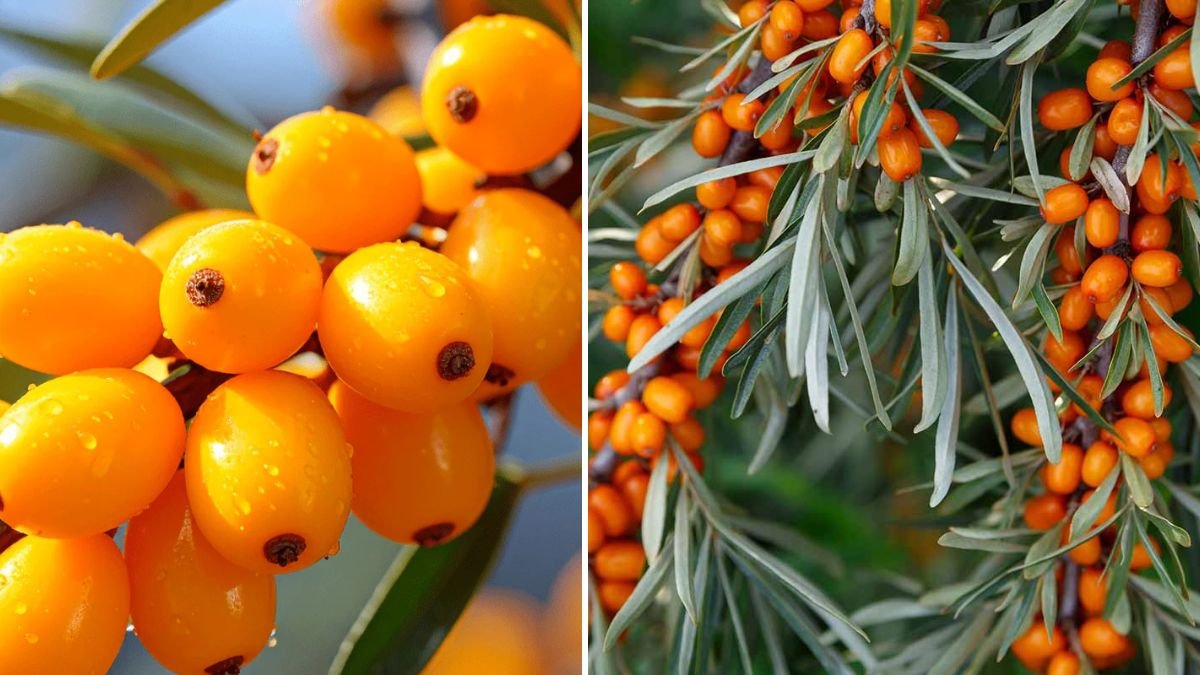
Sea buckthorn (Hippophae rhamnoides) is a hardy shrub known for its vibrant orange berries packed with essential nutrients, omega fatty acids, antioxidants, and vitamins. These small but mighty fruits have garnered popularity in recent years for their extensive health benefits, making them a desirable addition to organic gardens and landscapes. This guide will walk you through the essential steps to grow sea buckthorn from seed, ensuring maximum yield and health benefits while addressing frequently asked questions.
Understanding Sea Buckthorn
Sea buckthorn is a deciduous shrub native to Europe and Asia. It flourishes in a variety of climates, preferring sandy, well-drained soils but can tolerate poor, alkaline conditions. The plant is dioecious, meaning it has separate male and female plants. Only the female plants produce the nutritious berries, making it crucial to have at least one male plant for every six females for effective pollination.
Health Benefits
Before diving into the growing techniques, let’s highlight why sea buckthorn is worth your effort:
- Rich in Nutrients: Sea buckthorn berries are a rich source of vitamins C, E, and A. They also contain a wide range of B vitamins, essential amino acids, and fatty acids.
- Antioxidant Properties: The berries are noted for their high levels of antioxidants, which help neutralize free radicals in the body, reducing oxidative stress.
- Skin Health: The oil extracted from the berries is used in cosmetics for its anti-inflammatory and healing properties.
- Support for Digestion: Sea buckthorn may help maintain gut health and has been noted for its potential to alleviate digestive issues.
- Heart Health: The omega-7 fatty acids found in sea buckthorn are beneficial for cardiovascular health.
Step-by-Step Guide to Growing Sea Buckthorn from Seed
Step 1: Seed Selection
Sea buckthorn seeds can be obtained directly from ripe berries. Choosing healthy, ripe berries is crucial for successful germination. If purchasing seeds, ensure they are from a reputable source.
Step 2: Seed Stratification
Sea buckthorn seeds require a process known as stratification to germinate. This mimics natural winter conditions, breaking dormancy.
- Collect Seeds: Extract seeds from the berries, wash them thoroughly to remove the fleshy pulp, and let them dry.
- Stratify Seeds: Place the seeds in a damp paper towel and then in a plastic bag or container. Refrigerate this for about 60-90 days. The cold period encourages sprouting.
Step 3: Planting Seeds
After stratification, it’s time to plant:
- Prepare the Soil: Choose a location with full sun and well-drained soil. If you’re planting in pots, use a potting mix rich in organic material.
- Sowing Seeds: Plant the seeds about 1/4 inch deep. If sowing in a greenhouse, maintain a temperature between 60-70°F (15-21°C).
- Watering: Keep the soil slightly moist but not waterlogged. Overwatering can lead to rot.
Step 4: Caring for Seedlings
Once the seeds germinate, you’ll need to ensure your seedlings thrive:
- Thinning: Once seedlings are a few inches tall, thin out weaker plants to allow stronger ones to flourish. Leave at least 6 inches between plants.
- Fertilization: Use a balanced, organic fertilizer every few weeks as they grow.
- Pest Control: Watch for pests like aphids and spider mites. Use natural insecticides or pest-repelling plants nearby.
Step 5: Transplanting
When seedlings reach about 6 inches tall and have developed multiple leaves, they’re ready for transplanting:
- Choose a Location: Select a sunny area with well-drained soil or prepare larger pots.
- Transplanting: Carefully dig up seedlings to avoid root damage. Plant them in their new location or pots at the same depth as in their original container.
- Mulching: Apply a layer of mulch around the base of each plant to retain moisture and suppress weeds.
Step 6: Watering and Maintenance
- Watering Considerations: Sea buckthorn is drought-resistant, but you should water regularly for the first year until the plants establish themselves. After that, they require minimal watering unless in extended dry periods.
- Pruning: Once the plants begin to mature, light pruning helps improve air circulation and shape the plant, enhancing berry production.
Step 7: Pollination and Berry Production
Effective pollination is key to berry production. Ensure at least one male plant is present for every six female plants to facilitate pollination. Sea buckthorn flowers in early spring, and berries typically develop by late summer.
Step 8: Harvesting
- Timing: Berries ripen usually between late summer and early fall. Wait until they turn a vivid orange, signaling peak ripeness.
- Methods: Hand-picking is common, but using a collecting tool can make the job easier. Be prepared; the thorny branches can be challenging.
Maximizing Yield and Health Benefits
To maximize yield and health benefits, consider the following:
- Soil Quality: Conduct a soil test to ensure nutrient balance and pH. Amend as needed.
- Companion Planting: Grow sea buckthorn alongside companion plants that deter pests or improve soil health.
- Regular Monitoring: Keep an eye on growth conditions, water levels, and overall plant health to resolve any issues early on.
FAQs
1. Can sea buckthorn be grown in containers?
Yes, sea buckthorn can thrive in large containers. Ensure they have adequate drainage and sufficient sunlight.
2. How long does it take for sea buckthorn to bear fruit?
Typically, sea buckthorn starts bearing fruit 3-4 years after planting. However, this can vary depending on growing conditions.
3. Are sea buckthorn berries edible?
Absolutely! They are not only edible but highly nutritious. They can be consumed raw, juiced, or used in various culinary dishes.
4. How do I protect my sea buckthorn plants from pests?
Regular monitoring, encouraging beneficial insects, and using organic pesticides when necessary can protect your plants from pests.
5. Do sea buckthorn plants require a lot of water?
No, sea buckthorn is drought-resistant once established. However, they will benefit from regular watering during their first year to promote strong root development.
6. How should harvested berries be stored?
Fresh berries can be stored in the fridge for a week but are best frozen or processed into juice or oil for long-term storage.
7. Can I grow sea buckthorn in a cooler climate?
Yes, sea buckthorn is resilient and can grow in various climates, including cooler areas, as long as it gets enough sunlight and well-draining soil.
Conclusion
Growing sea buckthorn from seed is a rewarding endeavor that promises a plethora of health benefits and a bountiful harvest. By following the steps outlined in this guide and addressing common questions, you can establish a thriving sea buckthorn patch. Its vibrant berries not only enhance your diet but also contribute to your health, making this shrub a valuable addition to your garden. Happy gardening!