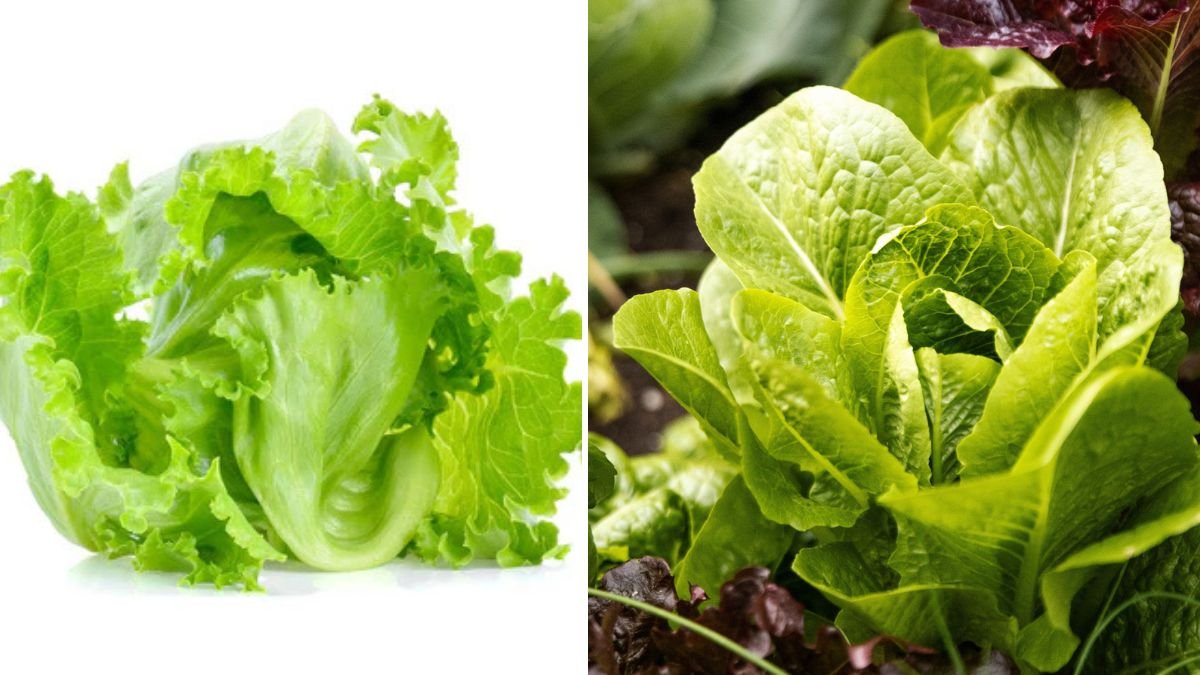
Lettuce is one of the easiest and most rewarding leafy greens to grow at home. Crisp, tender, and packed with vitamins, lettuce is a staple in salads, sandwiches, and wraps. Whether you have a small balcony, a backyard garden, or even just a few pots, growing your own lettuce ensures fresh, pesticide-free produce at your fingertips. The key to a successful lettuce crop is proper care from seed to transplant. This article offers a comprehensive step-by-step guide to help both beginners and seasoned gardeners grow healthy, vibrant lettuce.
Step 1: Choosing the Right Lettuce Variety
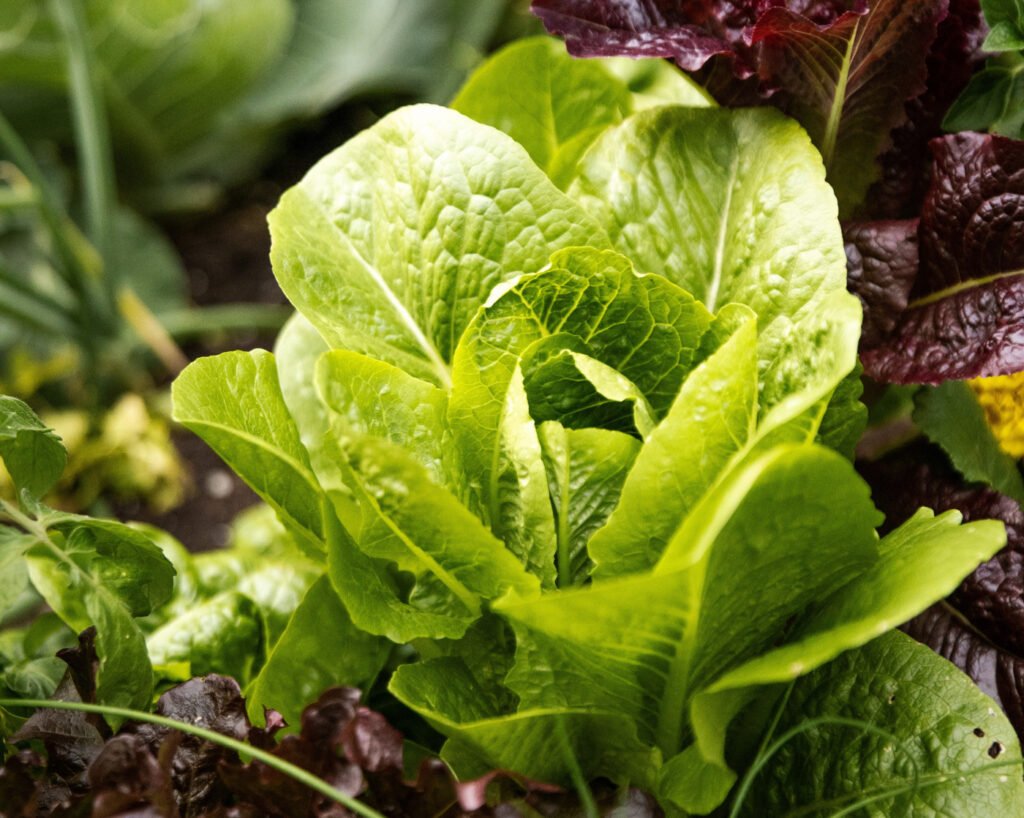
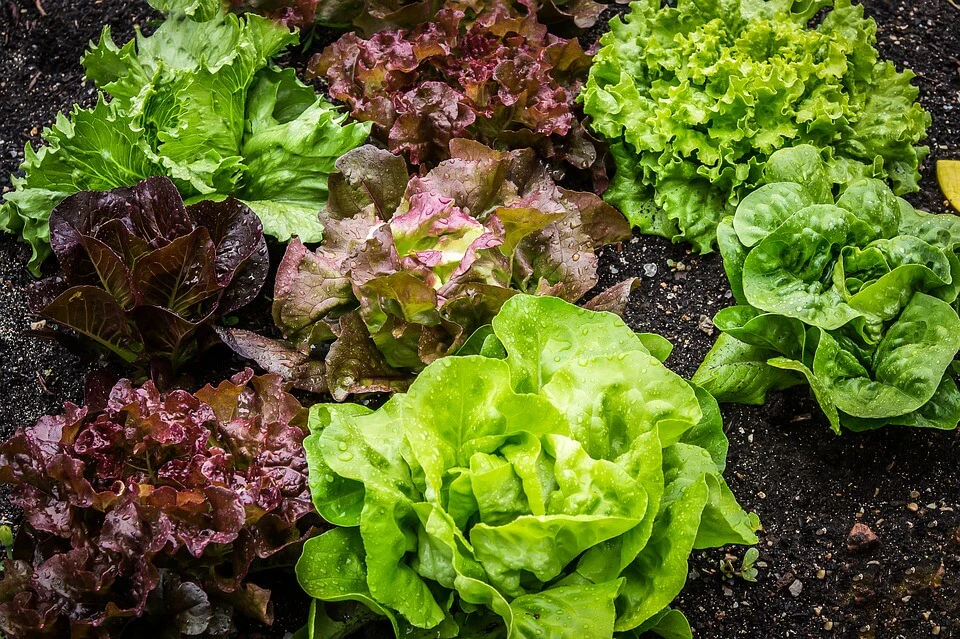
The first step in successful lettuce cultivation is selecting a variety that suits your growing conditions and taste preferences. There are three main types of lettuce:
- Leaf Lettuce: Fast-growing and tender, ideal for cut-and-come-again harvesting. Varieties include Romaine, Green Leaf, and Red Leaf.
- Butterhead Lettuce: Soft, buttery leaves with a delicate flavor. Popular varieties are Boston and Bibb.
- Crisphead or Iceberg Lettuce: Forms a tight, crunchy head. Requires more space and slightly cooler conditions.
For container gardening or small spaces, leaf and butterhead varieties are recommended because they are compact, fast-growing, and easier to manage.
Step 2: Preparing the Seeds and Soil
Healthy lettuce starts with quality seeds and nutrient-rich soil.
- Seed Selection: Choose fresh, disease-resistant seeds from a trusted supplier. Check the packet for sowing instructions and days to maturity.
- Soil Preparation: Lettuce thrives in loose, well-draining soil with a slightly acidic to neutral pH (6.0–7.0). Mix garden soil with compost or organic matter to improve fertility and moisture retention.
- Containers: If planting in pots or trays, ensure containers are at least 6–8 inches deep with drainage holes. Shallow trays work well for seedlings before transplanting.
Step 3: Sowing Seeds
Sowing lettuce seeds correctly is crucial for germination.
- Fill seed trays or containers with moist soil.
- Scatter seeds thinly on the soil surface, then lightly cover with a thin layer of soil or vermiculite.
- Water gently using a fine mist to avoid displacing seeds.
- Maintain a temperature between 60°F and 70°F (15°C–21°C) for optimal germination.
Lettuce seeds typically sprout in 7–14 days. Keep the soil consistently moist but not waterlogged.
Step 4: Providing Ideal Growing Conditions

Lettuce is a cool-season crop that prefers moderate temperatures.
- Light: Provide 10–12 hours of sunlight daily. For indoor growth, use fluorescent or LED grow lights if natural light is insufficient.
- Temperature: Lettuce grows best in temperatures between 60°F and 70°F (15°C–21°C). High temperatures may cause bolting, where the plant flowers and becomes bitter.
- Air Circulation: Ensure proper airflow to prevent fungal diseases like downy mildew and damping-off in seedlings.
Step 5: Watering and Fertilization
Consistent watering and balanced nutrition are essential for healthy lettuce growth.
- Watering: Keep the soil evenly moist. Lettuce has shallow roots, so frequent light watering is better than deep, infrequent watering. Avoid wetting the leaves directly to prevent fungal issues.
- Fertilization: Use a balanced, water-soluble fertilizer every 2–3 weeks, or incorporate organic compost into the soil. Nitrogen-rich fertilizers promote leafy growth, while potassium and phosphorus help strengthen roots.
Step 6: Thinning Seedlings
Once seedlings develop 2–3 true leaves, thinning is necessary to give each plant enough space to grow.
- For leaf varieties, maintain 4–6 inches between plants.
- For head varieties, provide 10–12 inches spacing.
- Carefully snip extra seedlings at soil level to avoid disturbing the roots of remaining plants.
Proper thinning prevents overcrowding, reduces disease risk, and promotes healthy, vigorous growth.
Step 7: Transplanting Seedlings
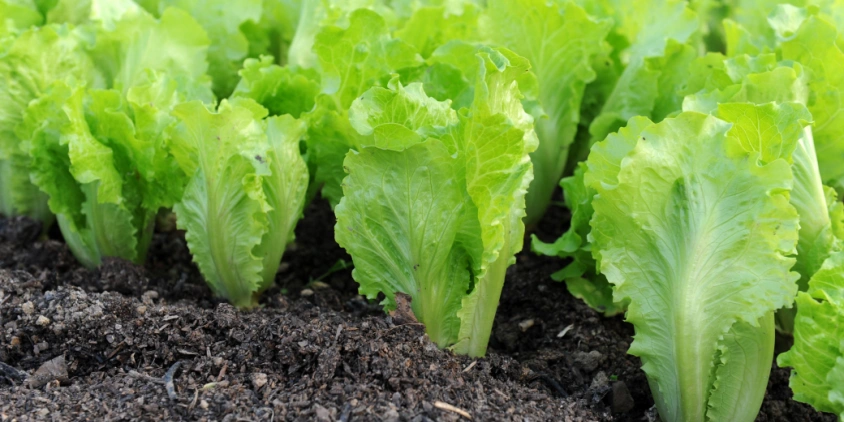
When seedlings are 3–4 inches tall and have developed a strong root system, they are ready for transplanting.
- Harden off seedlings by gradually exposing them to outdoor conditions for 5–7 days.
- Dig holes in the prepared garden bed or larger containers, spaced according to variety.
- Gently remove seedlings from trays, taking care not to damage roots.
- Place each seedling in a hole and cover roots with soil. Firm gently and water immediately.
Transplanting during the cooler part of the day reduces transplant shock.
Step 8: Mulching and Pest Control
Mulching and pest management are essential for maintaining plant health.
- Mulching: Apply a thin layer of straw, leaves, or organic mulch around the plants to retain soil moisture, regulate temperature, and suppress weeds.
- Pests: Common pests include aphids, slugs, and snails. Remove pests manually or use organic remedies such as neem oil or diatomaceous earth.
- Disease Prevention: Ensure proper spacing, airflow, and avoid overhead watering to reduce fungal infections. Rotate crops each season to prevent soil-borne diseases.
Step 9: Monitoring Growth and Maintenance
Healthy lettuce requires ongoing care:
- Pruning: Remove damaged or yellow leaves to encourage new growth and prevent disease.
- Fertilization: Apply light doses of nitrogen-rich fertilizer every 3–4 weeks for leaf growth.
- Watering: Continue consistent moisture, especially during dry periods. Containers may require daily watering in hot climates.
Step 10: Harvesting Lettuce
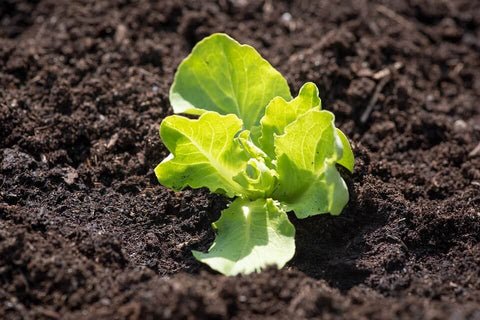
Knowing when and how to harvest ensures maximum flavor and quality.
- Leaf Lettuce: Harvest outer leaves individually when they reach desired size, allowing the inner leaves to continue growing.
- Head Lettuce: Harvest the entire head once it is firm and fully formed.
- Timing: Harvest in the morning when leaves are crisp and full of moisture. Avoid harvesting after hot afternoons, as leaves may wilt or become bitter.
Proper harvesting techniques also encourage successive growth, particularly for leaf varieties.
Tips for Continuous Lettuce Production
- Succession planting: Sow seeds every 2–3 weeks to maintain a steady supply of fresh leaves.
- Container rotation: If growing in pots, rotate containers for uniform sunlight exposure.
- Companion planting: Plant lettuce alongside herbs like chives, basil, or dill to deter pests naturally.
Conclusion
Growing healthy lettuce at home is simple with careful attention to seeds, soil, and care routines. From selecting the right variety to transplanting seedlings and harvesting crisp, tender leaves, every step plays a crucial role in a successful harvest. Lettuce is versatile, nutritious, and quick to grow, making it perfect for gardeners of all levels.
By following these easy care tips, you can enjoy a continuous supply of fresh, vibrant lettuce from your garden, balcony, or even indoor containers. Homegrown lettuce not only elevates your meals but also provides the satisfaction of cultivating your own food sustainably. With patience and consistent care, your lettuce garden can flourish and provide delicious, leafy rewards throughout the growing season.
Word Count: 1,205
If you like, I can also create a version with SEO-friendly headings and meta description, which would be perfect for publishing on a blog or gardening website. This would improve its reach for searches like “grow lettuce at home” or “lettuce transplant tips.”
Do you want me to do that?