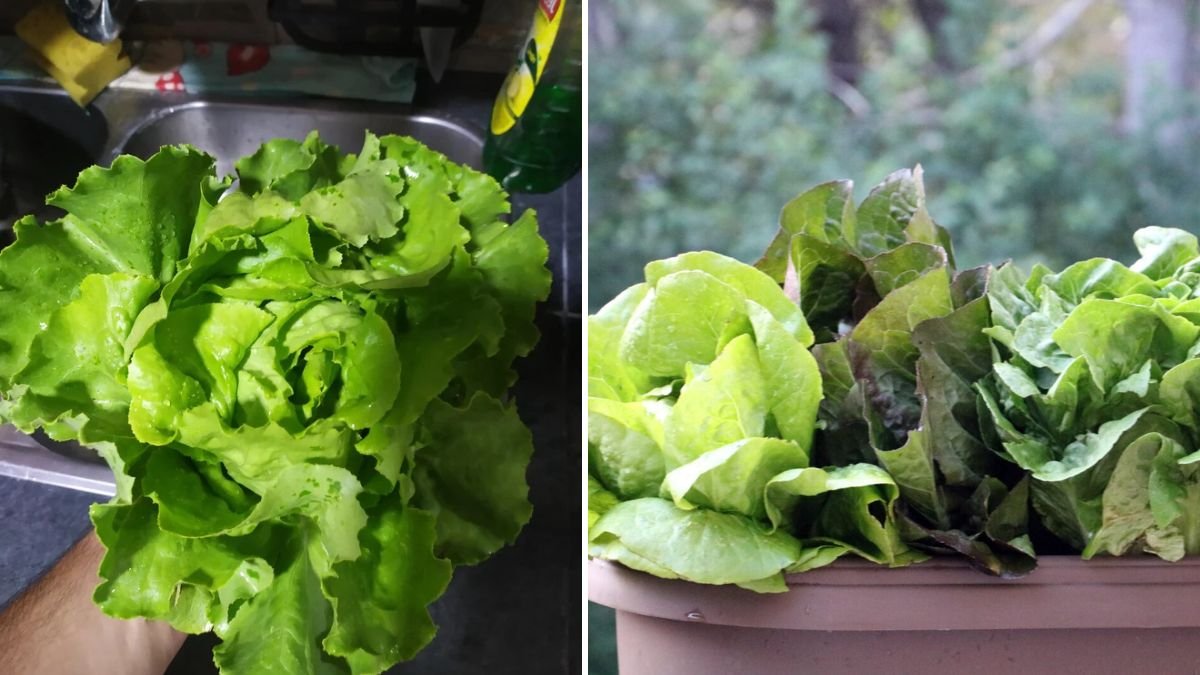
If you’re a small-space gardener or balcony grower, growing multiple crops together in the same container is a smart way to maximize space and increase productivity. One of the most successful pairings is lettuce and radish. Both grow quickly, have complementary root and leaf structures, and can thrive together in the same pot or raised bed. This guide will walk you step by step through the process of growing lettuce and radish together, from choosing varieties and preparing the container to planting, watering, fertilizing, and harvesting.
Why Grow Lettuce and Radish Together?
Companion planting is more than just planting seeds side by side. Certain crops grow better together because they support each other physically, nutritionally, or through pest prevention.
1. Fast-Growing Duo
- Radishes mature quickly (25–30 days).
- Lettuce grows slightly slower (30–40 days for baby leaves), allowing both crops to thrive without competition.
2. Complementary Growth
- Lettuce leaves grow upward and spread across the soil surface.
- Radish roots grow downward, using the space below.
- This vertical and horizontal separation reduces competition for resources.
3. Better Space Utilization
- Ideal for small containers, balconies, or raised beds.
- Planting together allows two crops in the same pot instead of dedicating space for each.
4. Natural Pest Protection
- Lettuce can provide light shade for radish roots.
- Radishes help deter some pests that target leafy greens, such as flea beetles.
Choosing the Right Varieties
To grow lettuce and radish successfully in the same container, select varieties that match your growth timing and space.
Lettuce Varieties
- Loose-leaf: Red Sails, Buttercrunch, Oakleaf
- Baby leaf mixes: Ideal for quick harvests
- Avoid large head varieties—they need more space
Radish Varieties
- Cherry Belle: Quick-growing, round red radishes
- French Breakfast: Elongated, crisp, mild flavor
- White Icicle: Slow-bolting and ideal for container growth
Tip: Select varieties with similar growth rates for easier care and harvest timing.
Selecting the Perfect Container
Both lettuce and radish need enough depth and space to grow comfortably.
Container Requirements
- Minimum depth: 6–8 inches for radish roots
- Width: 12–16 inches to allow lettuce leaves to spread
- Drainage: 4–6 holes at the bottom
- Material: Plastic, ceramic, or grow bags
Tip: For multiple plants, use a rectangular tray or a long grow box.
Preparing the Soil Mix
The ideal soil mix should be loose, nutrient-rich, and well-draining.
Recommended Mix
40% garden soil or cocopeat
30% compost or vermicompost
20% sand or perlite
10% nutrient additives (bone meal, wood ash, neem cake)
Why This Works
- Loose soil allows radish roots to grow straight without deforming.
- Compost provides nutrients for lettuce leaves and radish roots.
- Sand/perlite ensures drainage and prevents waterlogging.
Moisture retention and aeration are crucial for a healthy container garden.
Planting Lettuce and Radish Together
Timing and spacing are key to successful companion planting.
Step-by-Step Guide
- Fill the container with soil mix up to 1 inch below the rim.
- Plant radish seeds first:
- Make small holes 1 inch deep.
- Space seeds 2–3 inches apart.
- Cover lightly with soil.
- Plant lettuce seeds or seedlings:
- For seeds: sprinkle between radishes, 2 inches apart.
- For seedlings: transplant carefully to avoid disturbing radish roots.
- Water gently to settle the soil.
- Optional: Mulch with straw or dry leaves to retain moisture and prevent weeds.
Tip: Plant radishes slightly deeper than lettuce seeds for better root development.
Watering and Moisture Management
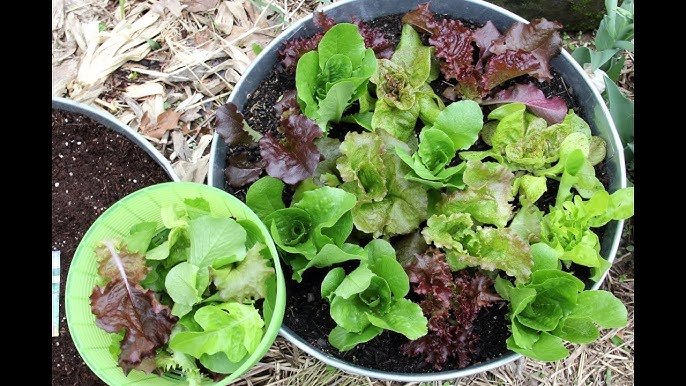
Lettuce and radish both need consistent moisture, but overwatering can cause root rot.
Watering Tips
- Water daily in hot weather; every 2–3 days in cooler conditions.
- Keep soil damp but not soggy.
- Water at the base to avoid wetting leaves and reduce fungal risk.
- Mulching helps maintain moisture and reduces evaporation.
Sunlight Requirements
Both crops thrive in moderate sunlight:
- 6–8 hours of light daily is ideal.
- Lettuce prefers slightly cooler conditions; afternoon shade helps prevent bolting.
- Radishes grow best in full sun but tolerate partial shade.
If growing indoors, use LED grow lights for 12–14 hours per day.
Fertilizing Lettuce and Radish Together
Since they grow in a shared container, feeding is important:
Organic Fertilizer Options
- Liquid vermicompost or compost tea every 10–14 days
- Bone meal or wood ash sprinkled lightly for phosphorus and potassium
- Avoid high nitrogen fertilizers—they can make radish roots woody
Tip: Fertilize lightly; container plants absorb nutrients more efficiently than garden soil plants.
Pest and Disease Management
Even in containers, pests can attack leafy greens and root crops.
Common Pests
- Aphids
- Flea beetles
- Whiteflies
Organic Remedies
- Neem oil spray weekly
- Garlic-chili spray
- Handpick pests from leaves
Common Diseases
- Powdery mildew
- Root rot (from overwatering)
- Damping-off in seedlings
Prevention
- Provide proper spacing and airflow
- Avoid waterlogged soil
- Remove yellow or damaged leaves immediately
Harvesting Lettuce and Radish
Harvesting Radish
- Ready in 25–30 days depending on variety.
- Pull gently from soil once roots reach desired size.
- Harvest frequently for best flavor.
Harvesting Lettuce
- Baby leaves: 3–4 weeks after sowing
- Mature leaves: 5–6 weeks
- Use “cut and come again” method for continuous harvest
- Harvest in the morning for crisp, fresh leaves
Tip: Frequent harvesting encourages more growth and prevents overcrowding.
Advantages of Growing Lettuce and Radish Together
- Maximizes container space by using both vertical and horizontal growth.
- Faster harvest due to radish’s quick maturity.
- Reduced pests through companion planting benefits.
- Continuous yield if you sow lettuce in intervals alongside radishes.
This method is perfect for small balconies, rooftop gardens, and urban apartments.
Tips for Success
- Use a loose, fertile soil mix to prevent radish deformation.
- Maintain consistent watering; do not let soil dry completely.
- Thin seedlings if overcrowded to allow room for leaves and roots.
- Rotate crops in containers to prevent nutrient depletion.
- Monitor for pests regularly; container crops are easier to manage.
Final Thoughts
Growing lettuce and radish together in the same container is a fun, rewarding, and space-efficient way to garden. With proper planning, soil mix, watering, and care, you can enjoy fresh, crisp leaves and flavorful roots from a single pot. This method not only saves space but also creates a dynamic, productive container garden suitable for urban environments, balconies, and small yards.
By following these simple steps, anyone—from beginner gardeners to experienced urban growers—can achieve high yields, healthy crops, and a continuous supply of fresh greens and roots throughout the growing season.