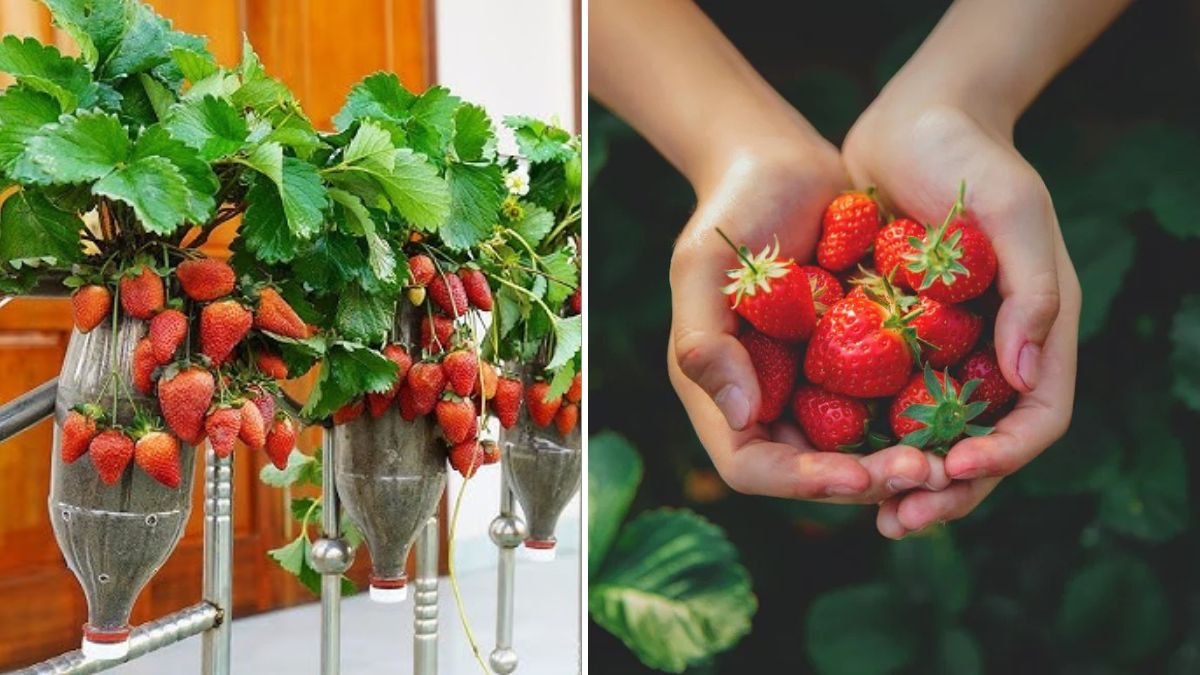
Growing strawberries on a balcony is easier than most people think. Strawberries adapt very well to containers and limited spaces. With proper sunlight, soil, and care, balcony gardeners can enjoy fresh berries at home. Strawberries grow fast and reward you quickly. They are perfect for beginners and urban gardeners. You do not need a large garden or expensive tools. Balcony strawberry gardening saves money and provides chemical-free fruit. This guide explains every step clearly and practically.
Why Strawberries Are Perfect for Balcony Growing
Strawberries have shallow roots, making them ideal for containers. They grow well in pots, hanging baskets, and grow bags. Balcony environments provide good airflow. You can control water and soil quality easily. Pests are easier to manage in containers. Strawberries need limited space to thrive. They also grow well vertically. This makes them perfect for apartments.
Best Strawberry Varieties for Balcony Gardens
Choosing the right variety improves success. Day-neutral strawberries produce fruit throughout the season. Everbearing varieties give multiple harvests. Alpine strawberries are compact and flavorful. Disease-resistant varieties are best for containers. Avoid varieties meant for large farms. Local climate matters when selecting seeds or runners. Proper selection ensures steady harvests.
Best Strawberry Types for Balconies
| Variety Type | Fruit Size | Growing Suitability |
|---|---|---|
| Day neutral | Medium | Excellent |
| Everbearing | Medium | Very good |
| Alpine | Small | Excellent |
Choosing the Right Containers
Strawberries grow best in shallow but wide containers. Pots should be at least eight inches deep. Plastic pots, grow bags, and hanging baskets work well. Ensure containers have drainage holes. Light-colored containers reduce heat stress. Containers must be clean before planting. Proper container size supports healthy roots. Good containers increase yields.
Preparing Proper Drainage
Drainage is essential for strawberry plants. Waterlogged soil causes root rot. Add small stones or broken bricks at the bottom. Drainage holes must remain open. Elevate pots slightly if possible. Excess water should escape easily. Good drainage improves oxygen flow. Healthy roots produce sweeter fruits.
Ideal Soil Mix for Strawberries
Strawberries need loose, fertile soil. Mix garden soil, compost, and coco peat. Organic compost improves nutrition. Sand improves drainage. Avoid heavy clay soil. Soil should retain moisture without staying wet. Good soil structure supports root growth. Healthy soil means healthy plants.
Planting Strawberries Correctly
Plant strawberries so the crown stays above soil level. Do not bury the crown. Space plants properly to allow airflow. Press soil gently around roots. Water immediately after planting. Avoid planting too deep. Correct planting prevents disease. This step is very important.
Sunlight Requirements on a Balcony
Strawberries need at least six hours of sunlight daily. Morning sunlight is best. Place containers near railings or open areas. Rotate pots weekly for even growth. Insufficient sunlight reduces flowering. Good sunlight improves sweetness. Balcony direction matters greatly. Sun exposure directly affects yield.
Watering Schedule for Strawberry Plants
Water consistently but avoid overwatering. Containers dry faster than ground soil. Water early in the morning. Keep soil moist but not soggy. Mulching helps retain moisture. Avoid wetting leaves frequently. Proper watering prevents fruit rot. Balanced watering is essential.
Feeding Strawberries Naturally
Strawberries need regular feeding. Use compost tea or vermicompost. Feed every two weeks. Potassium supports fruit formation. Avoid excess nitrogen. Organic feeding improves flavor. Balanced nutrition increases yield. Healthy feeding keeps plants productive.
Strawberry Feeding Guide
| Growth Stage | Recommended Nutrient |
|---|---|
| Leaf growth | Balanced compost |
| Flowering | Potassium rich feed |
| Fruiting | Mild organic fertilizer |
Mulching for Healthier Plants
Mulching keeps fruits clean. Straw or dry leaves work well. Mulch retains moisture. It reduces weed growth. Fruits stay off wet soil. Mulching prevents fungal disease. Temperature remains stable. Simple mulching improves harvest quality.
Managing Flowers and Runners
Remove flowers during the first few weeks. This strengthens plants. Cut excess runners regularly. Too many runners reduce fruiting. Focus plant energy on fruits. Healthy plants produce bigger berries. Proper management improves yield. Balance growth carefully.
Pollination in Balcony Conditions
Bees may visit balconies occasionally. Hand pollination improves fruit set. Use a soft brush. Pollinate in the morning. Healthy flowers produce better fruits. Avoid chemical sprays during flowering. Good pollination ensures proper fruit shape. Simple steps make a difference.
Preventing Pests Naturally
Aphids and mites may appear. Neem oil works effectively. Inspect plants weekly. Remove affected leaves. Good airflow prevents infestations. Healthy plants resist pests better. Avoid chemical pesticides. Natural control keeps fruits safe.
Common Diseases and Prevention
Fungal diseases occur due to excess moisture. Avoid wet leaves. Ensure airflow. Remove diseased plants quickly. Use clean containers. Proper spacing prevents disease spread. Prevention is easier than cure. Healthy plants live longer.
Harvesting Strawberries Correctly
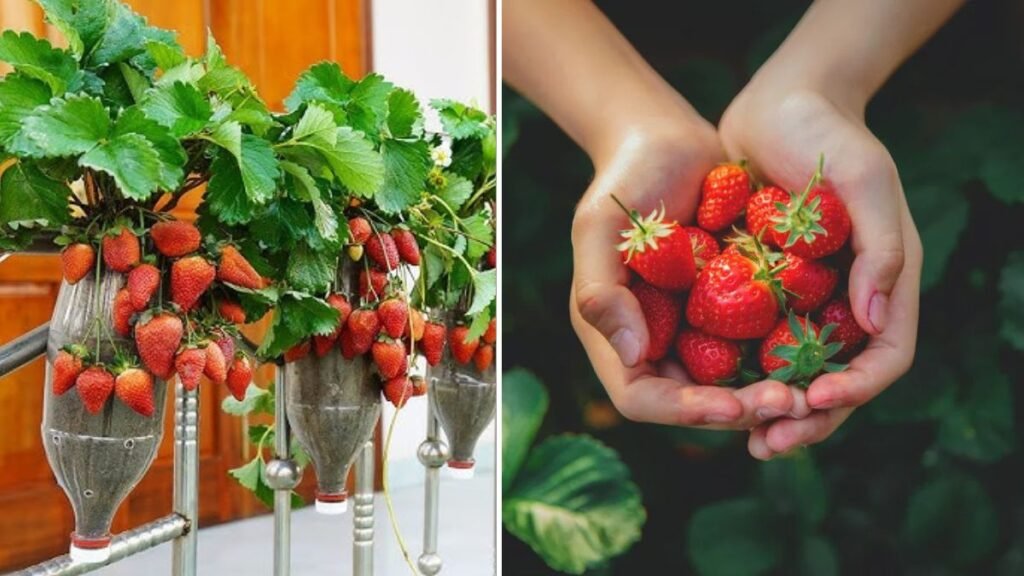
Harvest when fruits turn fully red. Pick gently to avoid damage. Morning harvest gives best flavor. Do not pull hard. Regular harvesting encourages more fruits. Ripe strawberries taste sweeter. Handle fruits carefully. Fresh harvest is rewarding.
Expected Yield from Balcony Strawberries
Each plant produces multiple berries. Yield depends on variety and care. Regular feeding improves output. Balcony gardeners can enjoy steady harvests. Hanging baskets increase space use. Small spaces give big rewards. Consistency matters. Results are satisfying.
Seasonal Care Tips
Protect plants from extreme heat. Provide shade during harsh afternoons. In winter, reduce watering. Remove old leaves regularly. Seasonal adjustments improve longevity. Proper care extends fruiting time. Observe plants closely. Timely action helps.
Environmental Benefits
Balcony strawberry gardening reduces food miles. No chemical residues. Reuses containers. Encourages sustainable living. Improves mental health. Fresh fruits at home reduce waste. Gardening connects you to nature. Small actions create big impact.
Conclusion
Growing strawberries on your balcony is simple, affordable, and highly rewarding. With proper care, even small spaces can produce sweet, juicy strawberries. Balcony gardening proves that fresh food can be grown anywhere.