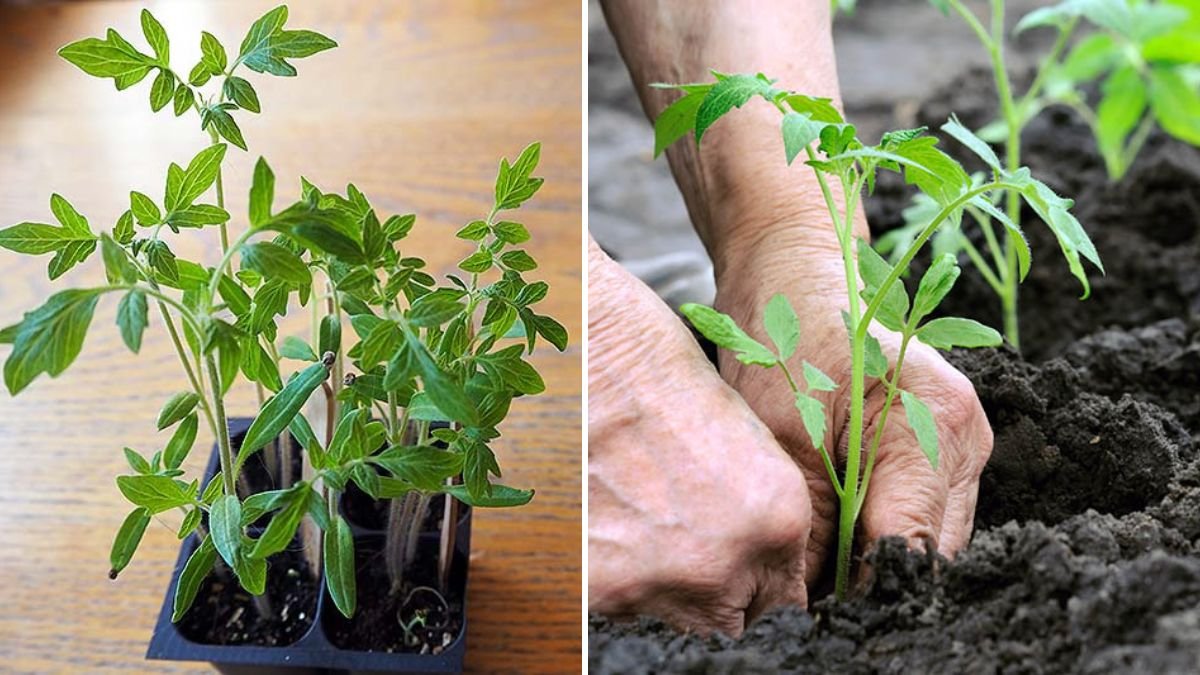
Germinating tomato seeds is the first and most crucial step in growing healthy tomato plants. Proper germination sets the foundation for strong seedlings. Seeds require warm soil, moisture, and light to sprout effectively. Germination also determines the overall success of the tomato crop. Home gardeners benefit from starting seeds indoors to control conditions. Healthy germination reduces seed wastage. It ensures uniform seedling growth. Understanding germination techniques improves tomato production.
Benefits of Starting Tomato Seeds Indoors
Indoor germination protects seeds from extreme weather and pests. It allows an early start, extending the growing season. Gardeners can control temperature, moisture, and light. Indoor sowing ensures consistent germination rates. It reduces dependency on store-bought seedlings. Young plants grow stronger and healthier. Indoor seedlings adapt better when transplanted. This method maximizes crop potential and yield.
Choosing the Right Tomato Seeds
Select high-quality seeds for better germination. Heirloom varieties offer unique flavors, while hybrids provide uniform growth. Choose seeds suitable for your climate. Fresh seeds germinate faster than old ones. Certified seeds reduce disease risk. Check the packaging for germination rate information. Choose varieties based on space and purpose. Proper seed selection ensures healthy plants.
Timing for Sowing Tomato Seeds
Timing affects germination and transplant success. Sow seeds 6–8 weeks before the last expected frost. In warm climates, early spring works best. Indoor sowing can extend the season in colder regions. Avoid sowing too early, as seedlings may become leggy. Proper timing ensures healthy transplanting. Observing local climate patterns helps. Correct timing improves overall yield. Planning is essential for success.
Containers for Germination
Choose shallow seed trays or small pots with drainage holes. Recycled containers can be used with proper cleaning. Seed trays provide uniform growth conditions. Containers should be sterilized to avoid fungal infections. Lightweight containers are easy to move. Label containers for different varieties. Proper container choice prevents root damage. Efficient use of trays saves space indoors.
Preparing Seed-Starting Mix
Use a loose, well-draining mix for germination. A combination of compost, coco peat, and sand works best. Avoid heavy garden soil that may suffocate seeds. The medium should retain moisture without waterlogging. Sterilized mix prevents damping-off disease. Light texture allows roots to penetrate easily. Balanced soil ensures faster germination. Proper soil preparation increases seed success rates.
Sowing Tomato Seeds
Plant seeds about 0.5 cm deep in the seed-starting mix. Cover lightly with soil or vermiculite. Avoid overcrowding to prevent competition. Water gently after sowing. Label trays to track varieties. Maintain consistent moisture in the soil. Correct planting depth ensures quick sprouting. Proper sowing practices improve uniform growth.
Watering During Germination
Seeds need consistent moisture to germinate. Overwatering can cause rot and fungal diseases. Use a spray bottle for gentle watering. Maintain damp but not soggy soil. Water in the morning to allow drainage. Mulching with fine vermiculite helps retain moisture. Avoid letting soil dry completely. Proper watering supports healthy root development.
Temperature Requirements
Tomato seeds germinate best at 21–27°C. Warm soil accelerates sprouting. Cold temperatures delay germination or prevent it entirely. Use heat mats in cooler environments. Avoid sudden temperature fluctuations. Stable warmth encourages uniform sprouting. Correct temperature ensures strong seedlings. Maintaining warmth indoors increases germination success.
Light Requirements
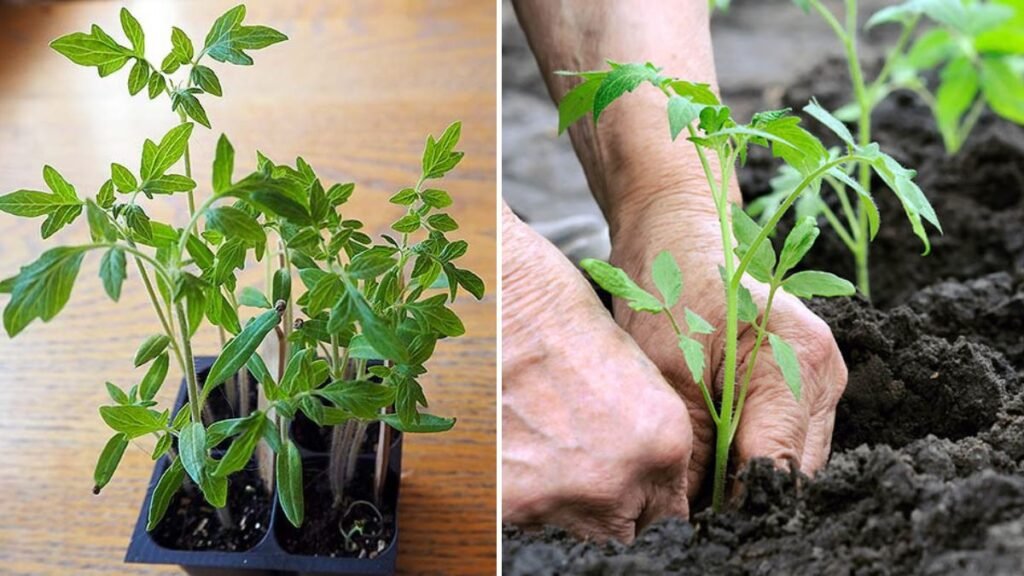
Seedlings require bright, indirect light once sprouted. Place near sunny windows or under grow lights. Provide 12–14 hours of light daily. Insufficient light causes weak, leggy seedlings. Rotate trays to ensure even growth. Adequate light strengthens stems. Healthy seedlings develop better leaves and roots. Proper lighting is key to vigorous plants.
Monitoring Seedling Growth
Observe seedlings daily for signs of stress. Leggy growth indicates inadequate light. Yellow leaves may signal nutrient deficiency or overwatering. Early intervention prevents permanent damage. Maintain optimal humidity and airflow. Inspect for pests like aphids or fungal growth. Healthy seedlings grow steadily. Monitoring ensures strong plants for transplanting.
Thinning Seedlings
Thin crowded seedlings to prevent competition. Keep the strongest plants and remove weaker ones. Proper spacing improves airflow and reduces disease. Transplant extras into separate containers if desired. Thinning prevents stunted growth. Healthy spacing promotes balanced nutrient uptake. Early thinning improves plant quality. Correct thinning maximizes survival rates.
Fertilizing Young Seedlings
Use diluted, balanced fertilizer once true leaves appear. Avoid overfertilizing, which may burn roots. Organic liquid fertilizers provide gentle nutrients. Feeding supports healthy foliage development. Fertilize every 1–2 weeks. Proper nutrition strengthens seedlings. Balanced fertilization enhances transplant success. Healthy leaves contribute to robust fruiting later.
Hardening Off Tomato Seedlings
Gradually acclimate seedlings to outdoor conditions. Begin with short exposure to sunlight. Increase duration daily over 7–10 days. Protect from wind, heavy rain, and extreme heat. Hardening off reduces transplant shock. Hardened seedlings adapt quickly to garden conditions. Proper adjustment improves survival rates. This step is essential before planting outdoors.
Transplanting Seedlings
Transplant when seedlings have 4–6 true leaves. Prepare soil with compost and loosened garden soil. Plant at the same depth as in containers. Water thoroughly after transplanting. Mulch around plants to conserve moisture. Handle seedlings gently to avoid root damage. Correct transplanting ensures rapid establishment. Healthy seedlings produce more fruits.
Pest and Disease Prevention
Protect young plants from common pests like aphids and cutworms. Use organic sprays if necessary. Maintain good spacing to prevent fungal infections. Avoid wetting leaves excessively. Inspect plants regularly. Preventive care reduces crop loss. Healthy seedlings are more resistant to stress. Monitoring prevents major problems.
Germination Success Table
| Factor | Ideal Condition | Benefit |
|---|---|---|
| Soil | Loose, fertile, well-drained | Rapid root growth |
| Temperature | 21–27°C | Uniform sprouting |
| Water | Consistently moist | Prevents rot |
| Light | 12–14 hours daily | Strong stems |
Common Mistakes in Germinating Tomato Seeds
Overwatering leads to fungal problems. Poor lighting causes leggy seedlings. Planting too deep delays germination. Crowded trays reduce airflow. Using old or low-quality seeds reduces success. Ignoring temperature requirements slows growth. Skipping hardening off leads to transplant shock. Avoiding these mistakes ensures healthy seedlings.
Conclusion
Germinating tomato seeds successfully is the foundation of a productive tomato garden. Proper care of soil, light, water, and temperature ensures strong seedlings. Monitoring growth, thinning, and hardening off prevents common issues. Healthy seedlings adapt well to outdoor planting. This method produces robust plants and higher yields. Home gardeners can achieve excellent results with patience and attention. Tomato seedlings grown from quality seeds are resilient and productive. Successful germination ensures delicious, homegrown tomatoes.