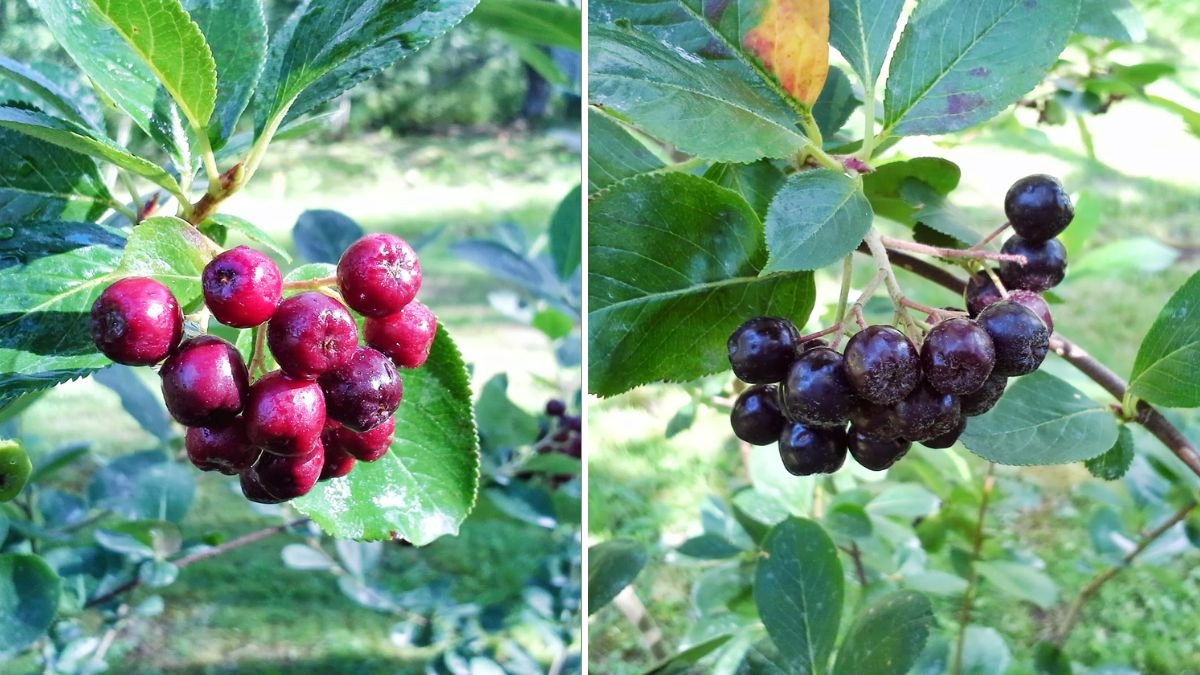
Aronia, commonly known as chokeberries, are a hardy fruit-bearing shrub native to North America, recognized for their health benefits and adaptability. Cultivating aronia in cold climates can pose challenges, but with the right strategies, gardeners can reap maximum yields. This article delves into effective techniques for successfully growing aronia in less-than-ideal conditions.
Understanding Aronia
What are Aronia Berries?
Aronia berries are small, dark purple to black berries that offer a tart flavor profile. They are rich in antioxidants, vitamins, and other essential nutrients, making them a popular choice for health-conscious consumers. Beyond their nutritional value, aronia berries are gaining popularity in the culinary world for their versatility in jams, juices, and desserts.
Types of Aronia
There are three primary species of aronia:
- Aronia melanocarpa (Black chokeberry) – Most commonly cultivated for its high antioxidant content.
- Aronia arbutifolia (Red chokeberry) – Known for its decorative appeal and bright autumn foliage.
- Aronia prunifolia (Purple chokeberry) – A hybrid of the previous two, with a slightly sweeter taste.
For cold climates, Aronia melanocarpa is typically preferred due to its hardiness and adaptability.
Choosing the Right Location
Climate Considerations
Aronia shrubs thrive in USDA hardiness zones 3 through 7, making them suitable for many cold climates. They are resistant to extreme temperatures, but selecting the right location will enhance their yield:
- Sunlight: Aronia requires full sun to partial shade. Aim for at least six hours of sunlight daily for optimum growth.
- Soil Type: Well-draining, loamy soil with a pH between 5.5 and 7.0 is ideal. While aronia can tolerate various soil types, poor drainage can lead to root rot.
Site Preparation
Before planting, prepare the site by clearing any debris, rocks, and competitive weeds. Conduct a soil test to determine pH and nutrient levels. Amend the soil as needed with compost or organic matter to improve its structure and nutrient content.
Optimal Planting Techniques
Selecting Quality Plants
Choose disease-resistant, certified nursery plants that are at least two years old. Bareroot plants can be a cost-effective option, but container-grown plants often establish faster.
Planting Time
The best time to plant aronia is in early spring or late fall when temperatures are cooler. This timing allows the roots to establish before facing extremes.
Planting Steps
- Digging the Hole: Dig a hole that is twice the width of the root ball and deep enough to accommodate the roots without bending.
- Spacing: Space plants about 3 to 4 feet apart to allow for air circulation and sunlight penetration.
- Planting: Place the plant in the center of the hole, ensuring the crown is level with the soil surface. Fill in with soil and gently pack it around the roots.
Mulching
Apply a 2-3 inch layer of organic mulch around the base of the plants to suppress weeds, retain moisture, and regulate soil temperature.
Watering and Fertilization
Irrigation Needs
Aronia plants have moderate water needs. It’s essential to ensure that they receive consistent moisture, especially during the first growing season.
- Watering Schedule: Water deeply once a week during dry spells. In colder months, reduce watering frequency but monitor soil moisture.
Fertilization
A balanced fertilizer with equal N-P-K (nitrogen, phosphorus, potassium) can be applied in early spring. An annual soil test can guide any additional nutrient requirements.
Pruning for Maximum Yield
Pruning is crucial for promoting growth and maximizing fruit production.
When to Prune
The best time to prune aronia is in late winter or early spring while the plants are still dormant.
Pruning Techniques
- Remove Dead/Diseased Wood: Start by cutting away any dead or diseased branches.
- Thinning: Thin out crowded branches to improve air circulation and sunlight penetration. Remove about 20% of older stems to encourage new growth.
- Shape: Aim for a vase shape with an open center to allow light and airflow.
Pest and Disease Management
Common Pests
- Birds: They love aronia berries! Consider using netting or reflective devices to deter them.
- Insects: While aronia is relatively pest-resistant, keep an eye out for aphids and spider mites. Use organic insecticidal soap for treatment.
Diseases
Aronia is mainly resistant to common diseases, but watch for signs of powdery mildew or root rot. Ensure proper spacing and airflow to minimize these risks.
Harvesting Aronia Berries
When to Harvest
Berries are typically ready for harvest in late summer to early fall, depending on the location and variety. Look for the following signs:
- Color: Berries should be a dark purple or black.
- Taste: They should taste sweet-tart; overly sour indicates they are not fully ripe.
Harvesting Techniques
Gently pull the berries from the stems. Use gloves to avoid staining your hands. Harvesting can take place over several weeks as berries ripen at different rates.
Processing and Storing Aronia Berries
Immediate Use
Fresh aronia berries can be consumed raw, made into juice, or used in cooking and baking.
Freezing
If not used immediately, aronia berries freeze well. Spread them on a baking sheet before transferring them to a freezer bag to avoid clumping.
Canning and Preserving
For long-term storage, consider canning aronia juice or making jelly. Follow proper canning techniques to ensure safety and quality.
Conclusion
Cultivating aronia in cold climates is not only feasible but can be highly rewarding with the right techniques in place. From selecting the appropriate site to managing water, nutrients, and pests, these steps will lead to a bountiful harvest. As demand for nutrient-dense fruits rises, aronia berries present an excellent opportunity for home gardeners and commercial growers alike.
FAQs
1. Can aronia survive extremely cold temperatures?
Yes, aronia is hardy in USDA zones 3 to 7, capable of surviving extreme cold.
2. Do aronia plants require pollination?
Aronia is self-pollinating but may produce better yields when planted near other aronia varieties.
3. How often should I prune my aronia plants?
Prune once a year in late winter or early spring to maintain productivity and health.
4. What is the best fertilizer for aronia?
A balanced fertilizer with equal nitrogen, phosphorus, and potassium (N-P-K) works well, adjusted per soil test results.
5. How can I tell when aronia berries are ripe?
Ripe berries are dark purple or black and have a sweet-tart flavor. Harvest them when fully colored for the best taste.
6. Are aronia berries easy to grow?
Yes, aronia is relatively low-maintenance and adaptable, making it suitable for both novice and experienced gardeners.
7. How should I store harvested aronia berries?
Fresh berries can be stored in the fridge for a week or frozen for long-term storage.
With these insights, you are well-equipped to cultivate aronia successfully, ensuring a flourishing garden even in cold climates. Happy gardening!