Strawberries are one of the most popular fruits grown at home because they are delicious, versatile, and relatively easy to care for. However, many gardeners struggle to get sweet, large berries due to improper care. Strawberry plants are sensitive to soil, water, and sunlight conditions. With the right techniques, they can produce abundant fruit year after year. Understanding their growth habits is essential. Strawberries grow close to the ground and need protection. They respond quickly to good care. Small mistakes can reduce yield. Proper guidance ensures consistent success.
Choosing the Right Strawberry Variety
Not all strawberry varieties perform the same in every climate. June-bearing varieties produce a large harvest once a year. Ever-bearing types give two main harvests. Day-neutral strawberries produce fruit throughout the season. Climate and daylight affect production. Some varieties resist disease better. Choose certified plants from trusted nurseries. Local varieties adapt better to conditions. Variety selection influences fruit size and sweetness. Right choice saves effort and boosts harvest.
Best Location for Strawberry Plants
Strawberries thrive in full sunlight. At least six to eight hours of sun daily is required. Morning sunlight helps dry leaves and prevents disease. Avoid low-lying areas where water collects. Good air circulation reduces fungal problems. Raised beds or containers work well. Avoid planting near tall plants that create shade. Balcony and terrace locations can be ideal. Proper placement encourages strong growth. Location plays a major role in fruit quality.
Preparing the Soil Properly
Healthy soil is the foundation of strawberry success. Strawberries prefer loose, well-draining soil rich in organic matter. Slightly acidic soil works best. Heavy clay soil causes root problems. Mixing compost improves structure and fertility. Remove weeds before planting. Raised beds improve drainage. Avoid compacted soil. Soil preparation should be done weeks before planting. Good soil ensures stronger roots and better fruiting.
Correct Planting Technique
Plant strawberries at the correct depth. The crown should sit at soil level. Planting too deep causes rot. Planting too shallow dries roots. Space plants properly to allow airflow. Crowded plants produce smaller berries. Water immediately after planting. Firm soil gently around roots. Avoid damaging the crown. Correct planting reduces stress. Proper spacing improves yield and plant health.
Watering Strawberry Plants Correctly
Strawberries require consistent moisture. Uneven watering causes small or misshaped fruit. Water deeply rather than frequently. Morning watering is best. Avoid wetting leaves to prevent disease. Drip irrigation works well. Mulch helps retain moisture. Dry soil stresses plants quickly. Overwatering causes root rot. Balanced watering improves sweetness. Consistency is the key.
Mulching for Healthier Strawberries
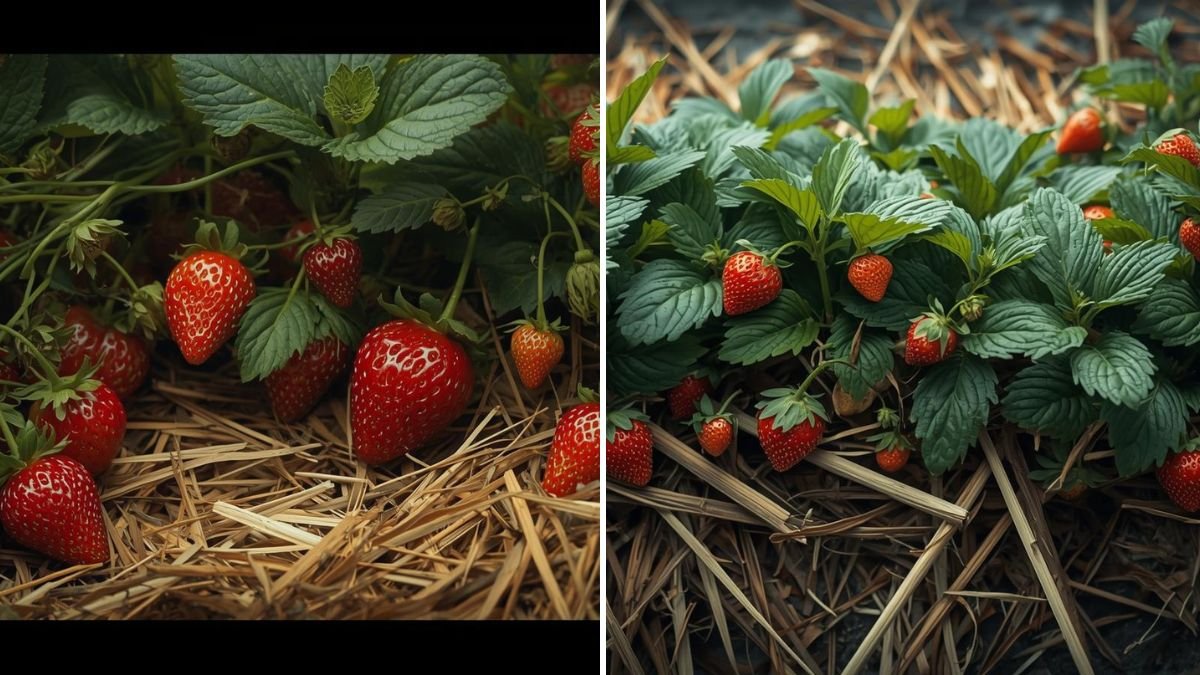
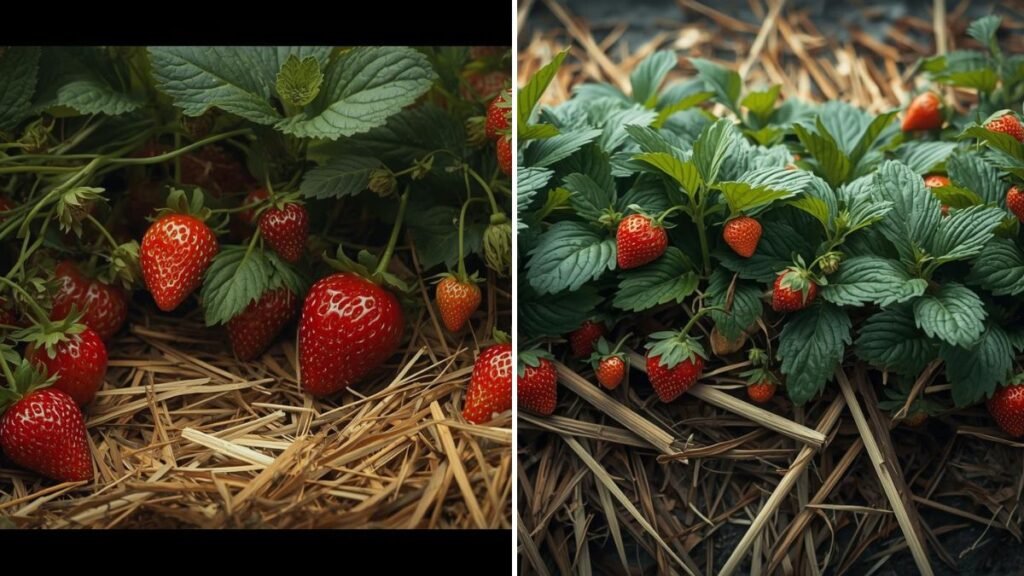
Mulching is essential for strawberry plants. Straw mulch prevents fruit from touching soil. It reduces weed growth. Mulch conserves soil moisture. It keeps roots cool in summer. Mulching reduces fungal infections. Organic mulches decompose and enrich soil. Apply mulch after planting. Refresh mulch regularly. Mulching improves fruit cleanliness and quality.
Fertilizing Strawberry Plants
Strawberries are light feeders but need nutrients. Too much nitrogen causes leaf growth instead of fruit. Use balanced fertilizer during early growth. Compost tea works well. Fertilize after harvest for next season growth. Avoid fertilizing during fruiting. Organic fertilizers improve soil health. Follow recommended dosages. Fertilization timing matters greatly. Proper feeding increases berry size and sweetness.
Managing Runners Effectively
Strawberry plants produce runners to spread. Runners divert energy from fruit production. Remove runners during fruiting season. Allow runners only if you want new plants. Use runners for propagation. Trim regularly to keep plants focused. Overcrowding reduces yield. Managing runners improves fruit quality. Controlled growth ensures healthy plants. Balance is important.
Pruning Old and Damaged Leaves
Pruning keeps plants healthy. Remove yellow or damaged leaves. Old leaves harbor pests and disease. Pruning improves air circulation. It allows sunlight to reach fruit. Use clean tools. Avoid excessive cutting. Prune after harvest for renewal. Healthy pruning encourages fresh growth. Clean plants produce better berries.
Protecting Strawberries from Pests
Birds, slugs, and insects love strawberries. Use netting to protect fruits. Copper tape deters slugs. Neem oil controls insects. Remove pests manually when possible. Avoid chemical sprays near harvest. Companion planting helps deter pests. Clean beds reduce infestations. Early protection prevents losses. Healthy plants resist pests better.
Preventing Common Strawberry Diseases
Fungal diseases are common in strawberries. Avoid overhead watering. Ensure proper spacing. Remove infected leaves immediately. Use disease-resistant varieties. Improve soil drainage. Rotate crops yearly. Mulching prevents soil splashing. Healthy practices reduce disease risk. Prevention is more effective than cure.
Growing Strawberries in Containers
Containers are ideal for small spaces. Choose wide, shallow pots. Ensure good drainage. Use quality potting mix. Water more frequently than ground plants. Containers reduce pest problems. Move pots for sunlight. Hanging baskets work well. Container strawberries produce clean fruit. Proper care ensures good yields.
Seasonal Care for Strawberry Plants
Strawberries need seasonal adjustments. Increase watering in summer. Reduce feeding in winter. Protect plants from frost. Remove old mulch in spring. Renew mulch after flowering. Seasonal care improves longevity. Observe plant behavior. Adjust practices accordingly. Seasonal awareness boosts production.
Overwintering Strawberry Plants
Cold protection is crucial in winter. Apply thick mulch after frost. Containers should be moved to sheltered areas. Avoid excessive watering in winter. Remove dead leaves. Winter rest supports spring growth. Overwintering improves next harvest. Proper protection prevents plant loss. Strawberries are perennial with care.
Harvesting Strawberries Correctly
Harvest berries when fully red. Pick gently to avoid damage. Harvest in morning for best flavor. Do not pull plants. Use scissors if needed. Regular harvesting encourages more fruit. Handle berries carefully. Freshly harvested berries taste best. Proper harvesting maintains plant health.
Storing Fresh Strawberries
Do not wash berries before storage. Store in refrigerator loosely. Use within a few days. Remove damaged berries immediately. Store in breathable containers. Avoid airtight plastic. Proper storage preserves flavor. Fresh strawberries spoil quickly. Gentle handling extends shelf life.
Common Mistakes to Avoid
Overwatering is a common mistake. Planting too deep harms crowns. Ignoring runners reduces yield. Skipping mulch causes fruit rot. Poor sunlight reduces sweetness. Overfertilizing affects fruiting. Neglecting pests causes losses. Learning mistakes improves success. Experience brings better results.
Table: Strawberry Care Summary
| Care Aspect | Best Practice | Benefit |
|---|---|---|
| Sunlight | Full sun daily | Sweeter fruits |
| Watering | Consistent moisture | Larger berries |
| Mulching | Straw or organic mulch | Clean fruit |
| Fertilizer | Balanced, light feeding | Better yield |
| Pruning | Remove old leaves | Disease control |
Final Thoughts on Strawberry Plant Care
Strawberry plants reward good care generously. Small efforts make a big difference. Consistency is more important than perfection. Understanding plant needs ensures success. With proper soil, water, and sunlight, strawberries thrive. Regular maintenance prevents problems. Home-grown strawberries taste superior. Gardening builds patience and joy. Anyone can grow strawberries successfully. Care leads to sweet rewards.