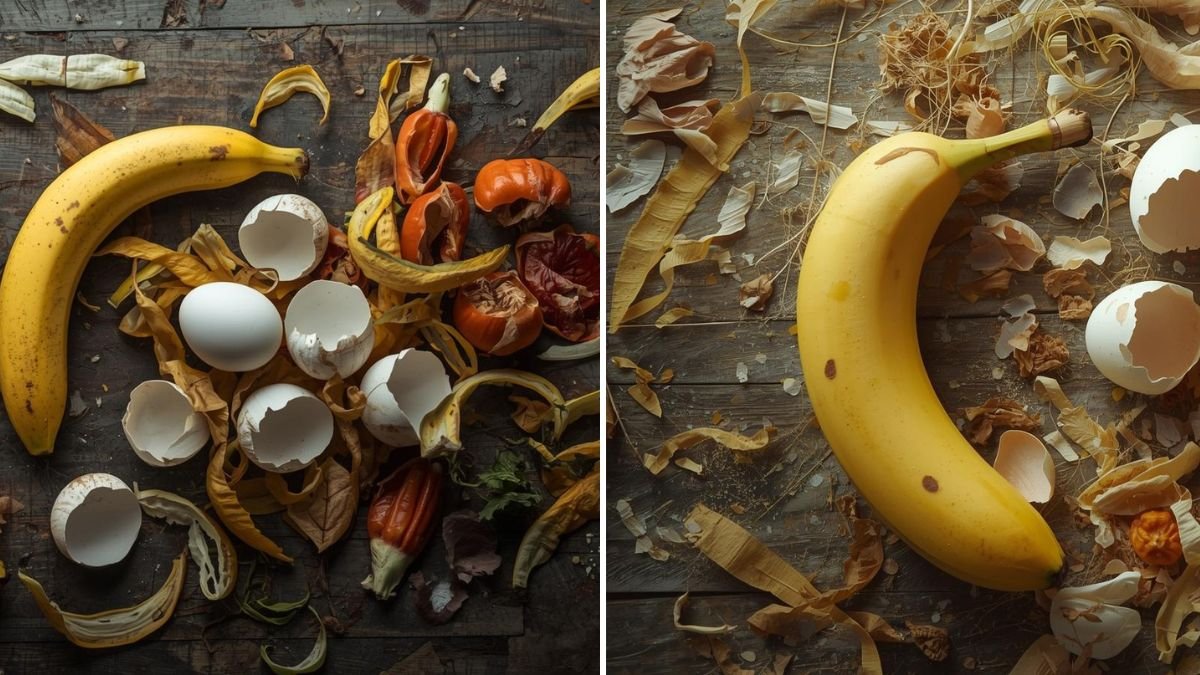
Kitchen scraps are often thrown away without realizing their true value. Many everyday food leftovers contain essential nutrients that plants need to grow strong and healthy. Using kitchen scraps as fertilizer is an eco-friendly gardening practice that reduces waste and saves money. This method supports sustainable living while improving soil quality. Natural fertilizing also avoids harmful chemicals found in synthetic products. Gardeners around the world rely on food waste to enrich soil naturally. When used correctly, kitchen scraps are safe and effective. Understanding which scraps work best is the key to success.
Why Natural Fertilizers Are Better for Plants
Natural fertilizers release nutrients slowly into the soil. This prevents root burn and nutrient shock. Chemical fertilizers act quickly but can damage soil life. Kitchen scrap fertilizers improve soil structure over time. They increase beneficial microorganisms naturally. Plants grown with organic nutrients tend to be stronger. They also develop better resistance to pests and diseases. Natural fertilizing supports long-term soil health and sustainability.
How Kitchen Scraps Improve Soil Health
Kitchen scraps break down into organic matter. This organic matter improves soil texture and aeration. It helps sandy soil retain moisture. Clay soil becomes looser and more workable. Decomposing scraps feed earthworms and microbes. These organisms improve nutrient availability. Healthy soil supports deeper root systems. Over time, soil becomes richer and more fertile.
Safety Rules When Using Kitchen Scraps
Not all kitchen scraps are safe for direct use. Avoid oily, salty, or processed foods. Cooked foods can attract pests. Always use scraps in moderation. Chop scraps into small pieces for faster breakdown. Bury scraps under soil to prevent odor. Never use spoiled or moldy food. Proper handling ensures safe and effective fertilization.
Kitchen Scrap 1: Banana Peels for Potassium Boost
Banana peels are rich in potassium, phosphorus, and calcium. These nutrients support flowering and fruiting plants. Banana peels strengthen stems and roots. They help plants resist disease. Peels can be chopped and buried near roots. They can also be soaked in water to make liquid fertilizer. Banana peel tea works well for houseplants. This scrap is safe and easy to use.
Kitchen Scrap 2: Coffee Grounds for Soil Enrichment
Used coffee grounds contain nitrogen and organic matter. They improve soil texture and drainage. Coffee grounds attract earthworms naturally. They work well for acid-loving plants. Grounds should be used in small amounts. Mix them into compost or soil. Avoid thick layers on the surface. Proper use enhances soil fertility safely.
Kitchen Scrap 3: Eggshells for Calcium Supply
Eggshells are rich in calcium carbonate. Calcium strengthens plant cell walls. It prevents blossom end rot in tomatoes. Eggshells improve soil structure. Crush shells into fine pieces before use. Mix into soil or compost. Eggshell tea provides quick calcium. This scrap supports healthy plant growth.
Kitchen Scrap 4: Vegetable Peels for Balanced Nutrition
Vegetable peels contain trace minerals and fiber. They decompose quickly in soil. Peels feed beneficial soil microbes. Carrot and potato peels work well. Avoid seasoned or cooked peels. Chop peels before burying them. Vegetable scraps enrich compost naturally. They provide balanced nutrition to plants.
Kitchen Scrap 5: Rice Water for Gentle Feeding
Rice water contains starch and minerals. It supports beneficial soil bacteria. Unsalted rice water is safe for plants. Allow rice water to cool before use. Use it to water houseplants or garden soil. It improves microbial activity. Rice water works as a mild fertilizer. It is simple and effective.
Best Plants for Kitchen Scrap Fertilizers
Vegetables respond well to organic nutrients. Flowering plants benefit from potassium. Houseplants enjoy gentle feeding. Fruit plants need calcium and phosphorus. Herbs grow better with balanced nutrition. Compost-loving plants thrive most. Choose plants carefully. Matching scraps to plant needs improves results.
How Often to Apply Kitchen Scrap Fertilizers
Moderation is essential. Apply once every two to three weeks. Overuse can cause nutrient imbalance. Observe plant response carefully. Liquid fertilizers can be used weekly in small amounts. Solid scraps take longer to break down. Adjust frequency based on growth. Balanced feeding ensures safety.
Composting vs Direct Application
Composting is the safest method. It breaks scraps down completely. Direct application works faster but needs care. Composting reduces odor and pests. Finished compost is nutrient-rich. Beginners should start with composting. Direct use suits experienced gardeners. Both methods have benefits.
Avoiding Common Mistakes
Never use salty or oily food. Avoid large chunks of waste. Do not overfeed plants. Avoid placing scraps on soil surface. Watch for pests and odor. Balance nutrients properly. Learning from mistakes improves success. Careful use ensures safety.
Benefits Beyond Plant Nutrition
Kitchen scrap fertilizing reduces waste. It lowers household garbage output. Saves money on fertilizers. Supports sustainable gardening. Improves soil biodiversity. Reduces environmental pollution. Encourages eco-friendly habits. Benefits extend beyond the garden.
Using Kitchen Scraps in Container Plants
Containers need gentle feeding. Liquid fertilizers work best. Avoid burying scraps deeply. Use composted scraps instead. Watch moisture levels carefully. Small amounts are sufficient. Containers respond quickly. Controlled feeding is essential.
Seasonal Use of Kitchen Scraps
Spring supports growth and roots. Summer supports flowering. Fall improves soil health. Winter composting prepares nutrients. Seasonal adjustments improve effectiveness. Observe plant needs carefully. Natural fertilizing adapts easily. Timing improves results.
Long-Term Impact on Soil
Organic matter builds up gradually. Soil becomes darker and richer. Microbial life increases naturally. Water retention improves. Nutrient cycling becomes balanced. Plants grow healthier each season. Soil structure strengthens over time. Long-term benefits are significant.
Table: Kitchen Scraps as Natural Fertilizers
| Kitchen Scrap | Main Nutrient Benefit |
|---|---|
| Banana peels | Potassium and phosphorus |
| Coffee grounds | Nitrogen and organic matter |
| Eggshells | Calcium |
| Vegetable peels | Trace minerals |
| Rice water | Microbial support |
Final Thoughts on Kitchen Scrap Fertilizers
Kitchen scraps are powerful natural fertilizers. They improve plant health safely. Proper use prevents problems. They support sustainable gardening practices. Soil becomes richer naturally. Plants grow stronger and greener. Waste reduction benefits the environment. Natural fertilizing is rewarding and effective.