Gardening is both an art and a science, and innovation continues to transform the way we cultivate plants. Whether you’re a beginner or an experienced gardener, discovering a new idea for growing plants can boost productivity, improve yields, and make gardening more sustainable.
In this guide, we’ll explore innovative approaches to propagation, planting, soil management, watering, and pest control. You’ll learn how modern techniques can transform your garden, whether you’re growing vegetables, fruits, herbs, or ornamental plants.
Why You Need a New Idea for Gardening
Traditional gardening methods are effective, but innovation introduces several advantages:
- Faster growth: Techniques like air layering, hydroponics, and grafting produce results more quickly.
- Higher yields: Innovative methods enhance flowering, fruiting, and overall plant health.
- Space optimization: Container gardening, vertical systems, and hydroponics make the most of limited areas.
- Eco-friendly practices: Sustainable methods reduce water usage, chemical inputs, and soil degradation.
- Cost-effectiveness: Efficient propagation and maintenance reduce long-term costs.
Adopting new ideas for gardening not only improves results but also makes the process more enjoyable and efficient.
Innovative Propagation Techniques
Propagation is essential for multiplying your favorite plants. Modern ideas make propagation more efficient and reliable.
1. Air Layering (Marcottage)
- Roots form on a branch while still attached to the parent plant.
- Produces strong, established plants with high survival rates.
- Ideal for fruit trees like mango, guava, lemon, and ornamental trees.
Steps:
- Choose a healthy branch.
- Remove a small section of bark and apply rooting hormone.
- Wrap with moist sphagnum moss and cover with plastic.
- Once roots appear, cut and plant the branch.
2. Grafting and Budding
- Combines two plants to produce desired traits, such as disease resistance and high yield.
- Common in citrus, apples, mangoes, and roses.
- Ensures predictable fruit quality and early flowering.
3. Tissue Culture (Micropropagation)
- Laboratory-based method for mass propagation.
- Produces disease-free, uniform plants.
- Useful for orchids, bananas, and rare ornamental plants.
4. Stem and Leaf Cuttings
- Simple and effective for many indoor and outdoor plants.
- Ensures clones of the parent plant.
- Ideal for roses, hibiscus, mint, aloe vera, and succulents.
These propagation methods allow gardeners to multiply plants efficiently while maintaining desired traits.
Soil and Growing Media Innovations
Soil health is critical for thriving plants. Modern growing ideas improve soil structure, drainage, and nutrient availability.
1. Cocopeat
- Made from coconut husks, retains water effectively.
- Ideal for seed germination and container gardening.
2. Vermiculite and Perlite
- Improve aeration and drainage.
- Support root development and prevent waterlogging.
3. Hydroponic Substrates
- Rockwool, clay pellets, and peat-based media.
- Enable soilless cultivation with controlled nutrient supply.
By using these innovative growing media, gardeners can achieve stronger root systems, faster growth, and healthier plants.
Modern Cultivation Methods
Introducing new methods for cultivation can revolutionize your garden.
1. Hydroponics
- Plants grow in nutrient-rich water without soil.
- Suitable for leafy greens, herbs, and vegetables.
- Benefits: Faster growth, water efficiency, controlled nutrients.
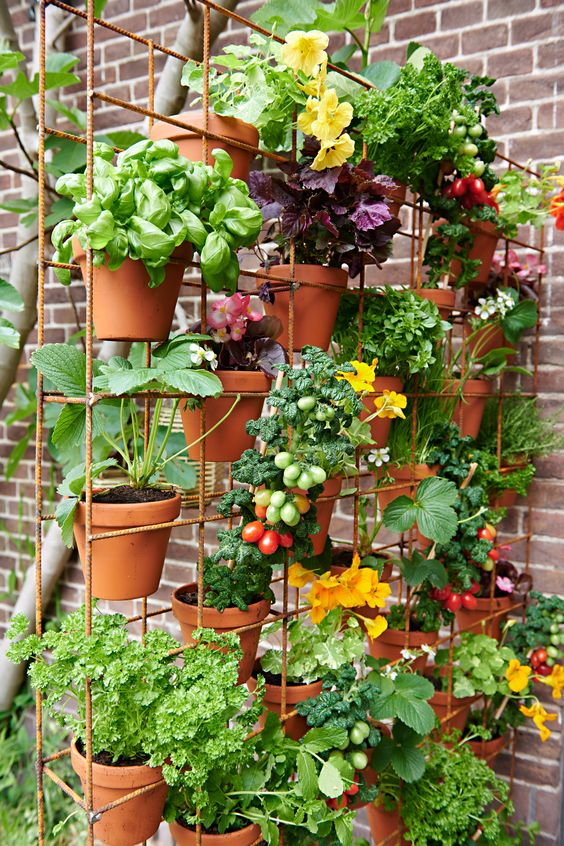
2. Vertical Gardening
- Stacked layers or vertical walls maximize space.
- Perfect for balconies, small gardens, or urban environments.
- Ideal for herbs, strawberries, and ornamental plants.
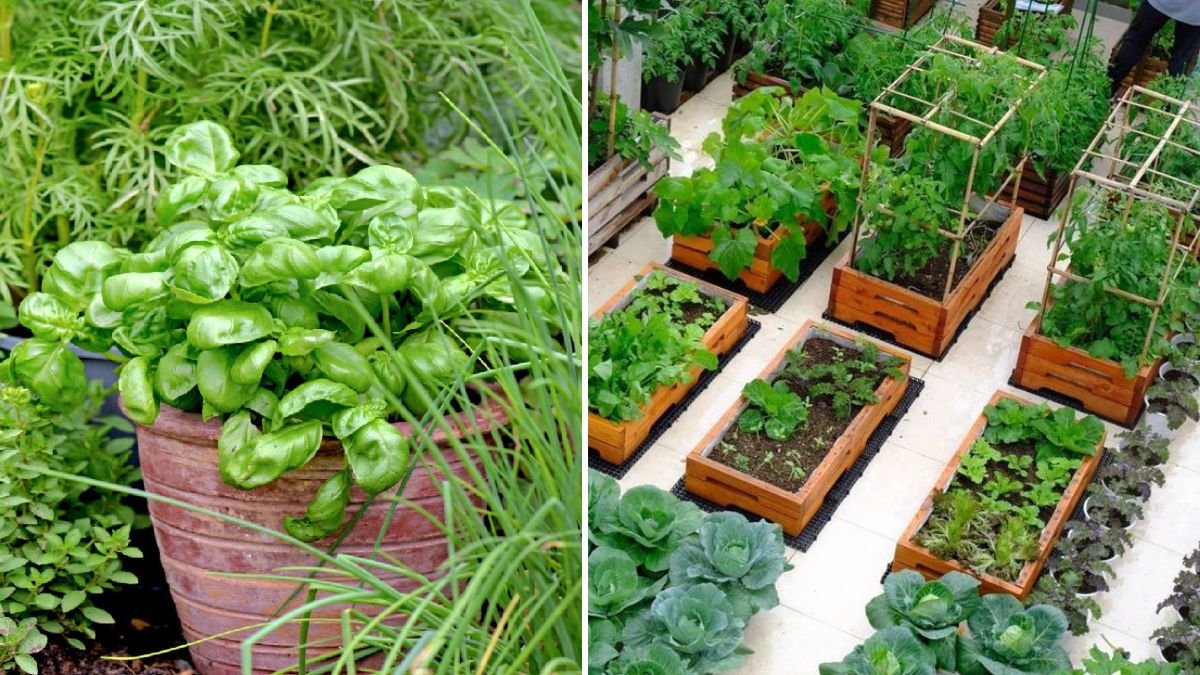
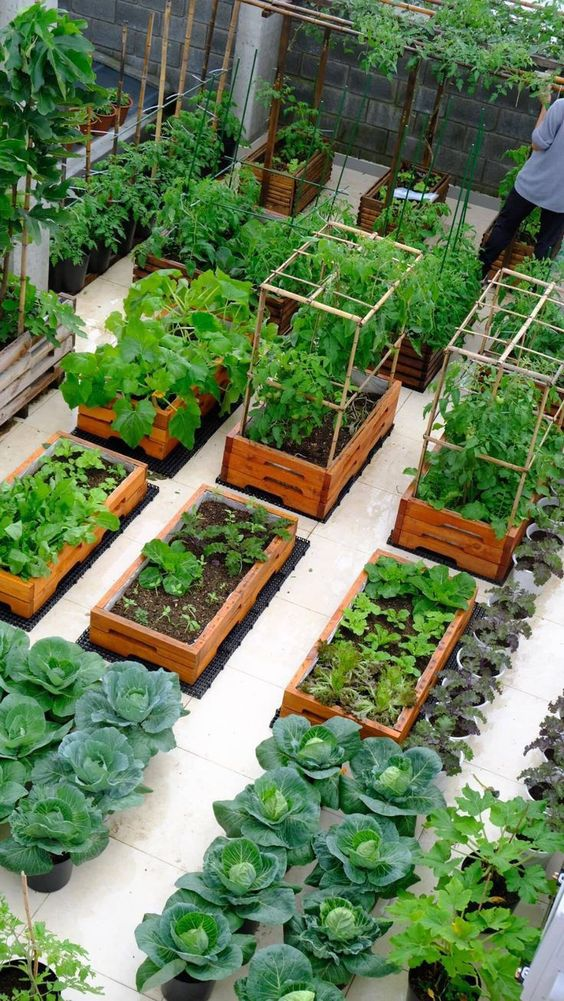
3. Container Gardening
- Plants grow in pots, raised beds, or drums.
- Portable, flexible, and space-efficient.
- Suitable for urban gardens and small terraces.
4. Aquaponics
- Combines fish farming and hydroponics in a symbiotic system.
- Fish waste provides nutrients for plants, creating a self-sustaining ecosystem.
- Suitable for leafy vegetables, herbs, and small fruits.
These modern cultivation methods help gardeners maximize yields, save resources, and grow plants efficiently.
Watering and Nutrient Management
Proper water and nutrient management is vital for plant growth.
- Watering: Maintain consistent moisture without overwatering.
- Drip irrigation or hydroponic systems: Efficiently deliver water to roots.
- Fertilization: Use organic compost, vermicompost, or balanced NPK fertilizers.
- Mulching: Retains soil moisture, prevents weeds, and improves soil fertility.
Consistent watering and fertilization ensure vibrant, healthy plants with abundant flowers and fruits.
Eco-Friendly Gardening Practices
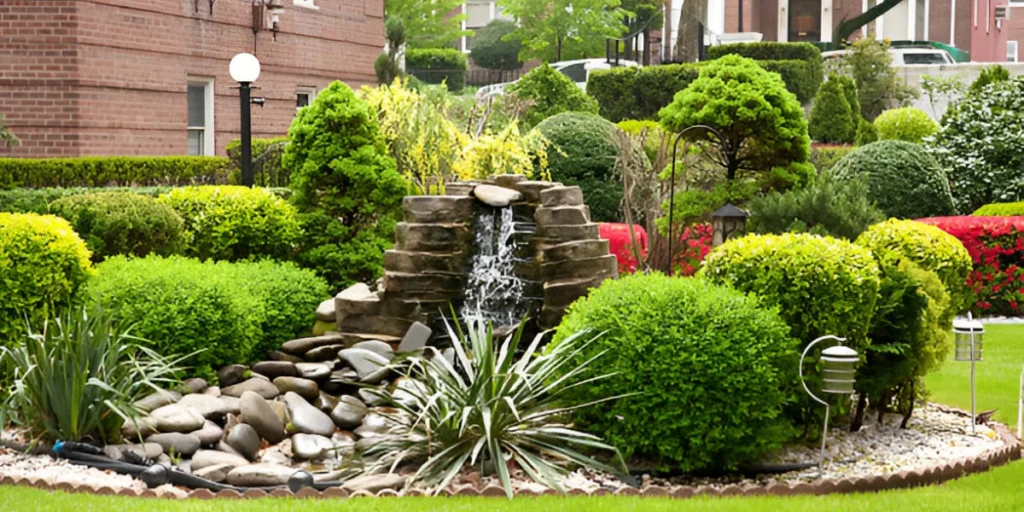
Modern gardening ideas often focus on sustainability and environmental responsibility.
1. Organic Fertilizers
- Compost, cow dung, vermicompost, and green manure improve soil fertility.
- Enhance microbial activity and reduce chemical dependency.
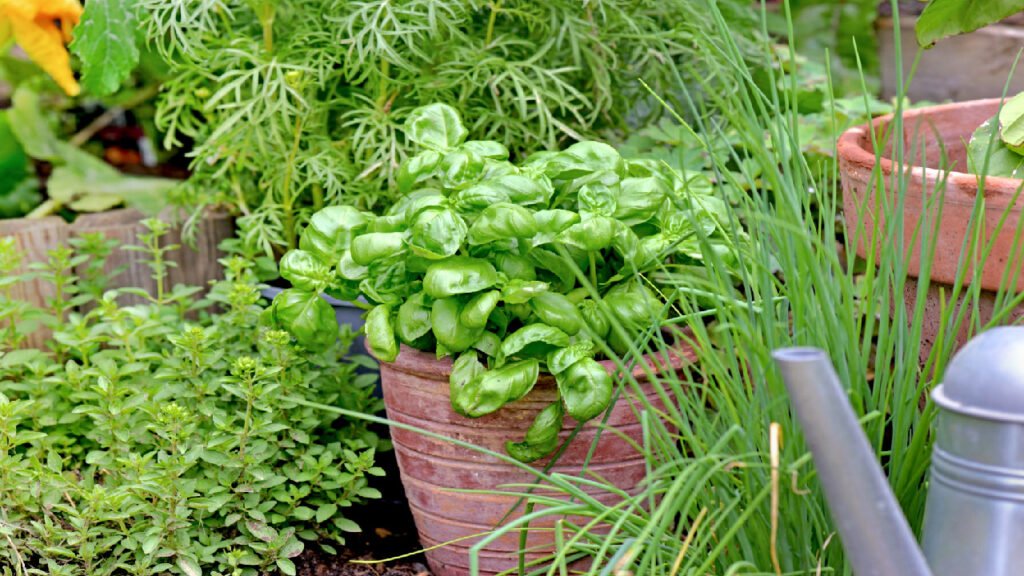
2. Companion Planting
- Plant compatible species together to improve growth and reduce pests.
- Example: Basil with tomatoes or marigolds with vegetables.
3. Integrated Pest Management (IPM)
- Combines biological, mechanical, and organic controls.
- Reduces chemical pesticide use while protecting plants.
4. Mulching
- Organic mulches like straw or leaves retain moisture and reduce weed growth.
- Supports healthy soil and plants.
These eco-friendly practices create sustainable, productive gardens that are both rewarding and low-maintenance.
Maintenance and Care for Modern Gardening
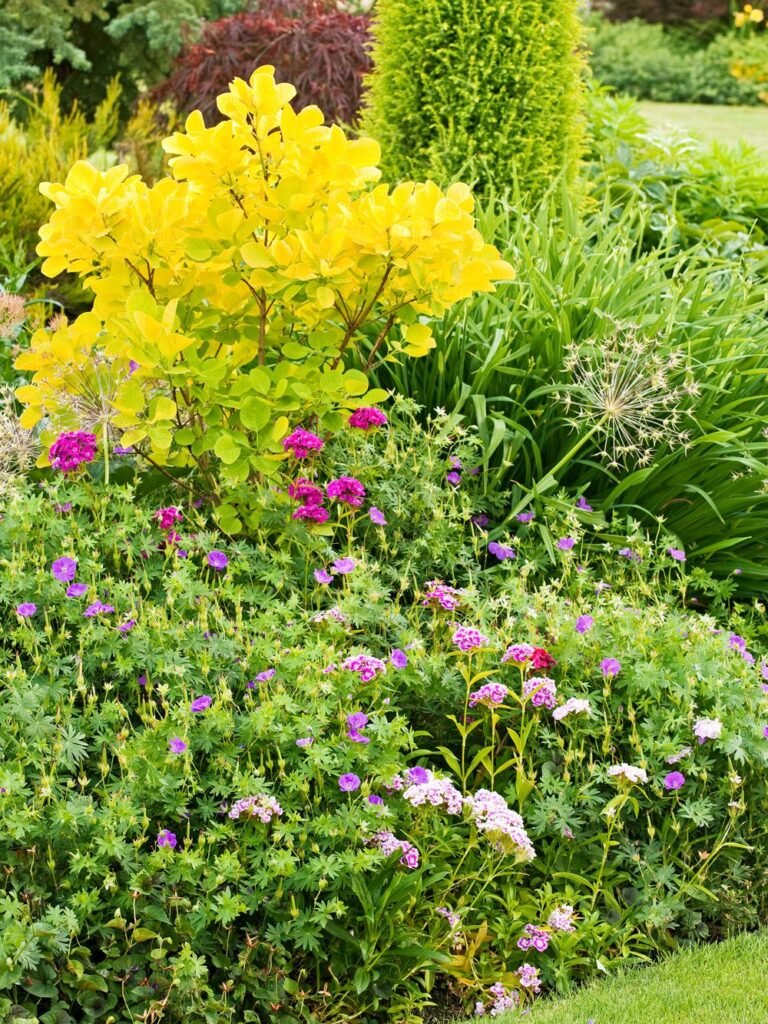
Even with new ideas, regular maintenance is crucial:
- Pruning: Remove dead, crowded, or damaged branches for better airflow.
- Sunlight: Ensure plants receive 6–8 hours of sunlight per day.
- Pest monitoring: Check plants regularly and address issues promptly.
- Soil management: Refresh soil or growing media annually to maintain nutrients.
Proper care ensures strong, productive plants and higher yields.
Benefits of Embracing New Gardening Ideas
Adopting innovative gardening methods provides multiple benefits:
- Faster growth and early harvests
- Higher quality fruits, vegetables, and flowers
- Space optimization for small or urban gardens
- Reduced water and fertilizer usage
- Minimal chemical usage, supporting eco-friendly practices
- Efficient propagation and preservation of favorite plants
These advantages make new gardening ideas essential for modern gardeners seeking success and sustainability.
Tips for Implementing New Ideas Successfully
- Start small to test methods before scaling up.
- Observe and adapt techniques to your local climate and plant types.
- Invest in quality seeds, saplings, or growing media.
- Record observations on growth, fertilization, and harvest.
- Combine traditional gardening knowledge with modern techniques for optimal results.
Following these tips ensures that your new gardening ideas thrive and yield maximum results.
Conclusion
Innovation is the key to transforming gardening into a more productive, sustainable, and enjoyable activity. By embracing a new idea for growing plants, gardeners can improve growth rates, maximize yields, conserve resources, and create beautiful, healthy gardens.
From propagation methods like air layering and grafting to hydroponics, vertical gardening, container planting, and eco-friendly techniques, modern ideas offer efficient, high-yielding, and sustainable solutions for all types of plants.