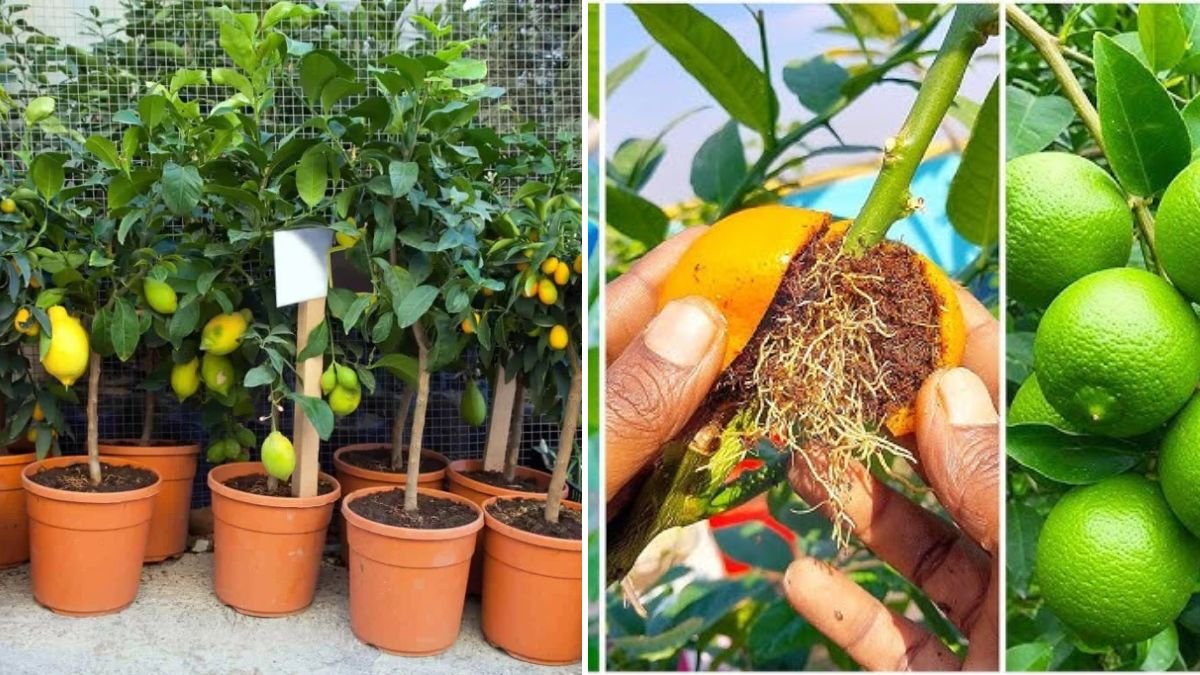
Lemon trees are among the most popular fruit trees grown in home gardens around the world. Their bright yellow fruits, refreshing aroma, and medicinal qualities make them a favorite for gardeners beginners and experts alike. One of the best ways to enjoy more lemon trees without purchasing new plants is through propagation — the process of creating new plants from existing ones. Lemon propagation is simple, cost-effective, and extremely rewarding when done correctly.
Whether you want a small tree on your balcony or a full-sized citrus plant in your garden, proper propagation techniques will help you grow strong, healthy lemon plants. In this guide, we will explore the most reliable propagation methods, essential care tips, common mistakes, and expert tricks that ensure success.
Understanding Lemon Propagation
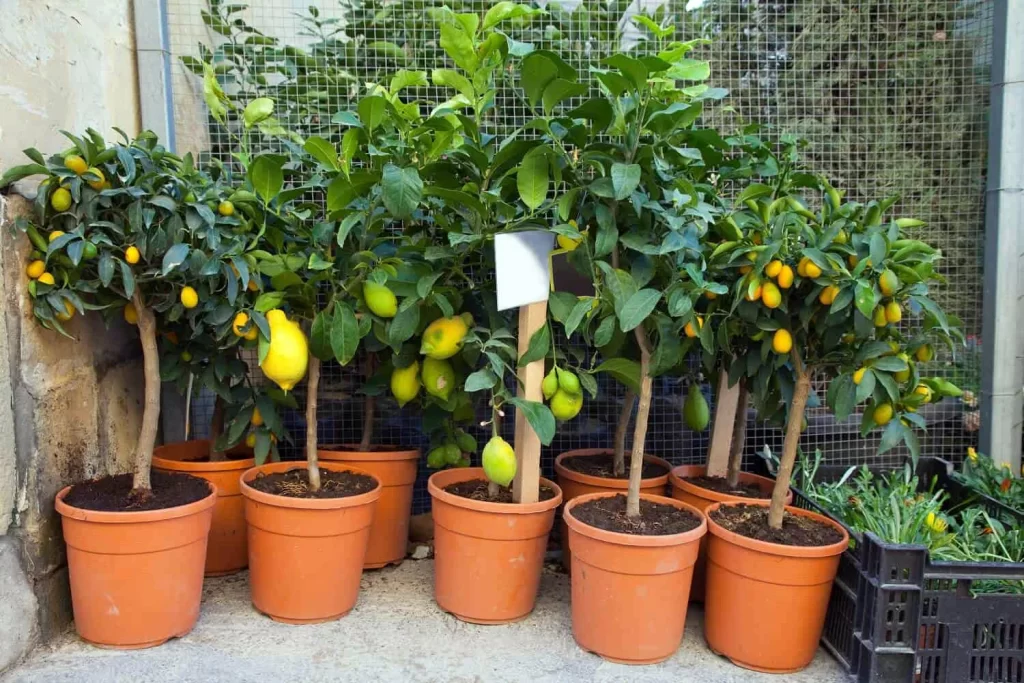
Propagation refers to the process of producing new plants from parts of an existing plant such as cuttings, stems, or roots. Lemon trees can be propagated in several ways, but the most common and practical methods for home gardeners include:
- Stem cuttings (most popular)
- Air layering
- Grafting
- Seed propagation (not recommended for true-to-type lemon trees)
Propagation helps gardeners:
- Save money by reproducing plants at home
- Maintain the exact qualities of a favorite lemon variety
- Grow multiple trees from one plant
- Experiment with unique techniques like grafting or layering
Among these, stem cuttings and air layering are the easiest for beginners.
Method 1: Propagating Lemon Trees Using Stem Cuttings
Stem cuttings remain the most preferred method because it is simple and yields fast-growing plants.
Materials Needed
- A healthy lemon branch
- Sharp pruning shears
- Rooting hormone (optional but highly effective)
- Potting mix (sand + compost + soil)
- A small pot
- Plastic bag (for humidity)
Step-by-Step Procedure
- Select a Healthy Branch
Choose a semi-hardwood branch (not too young, not too old). The branch should be disease-free and 6–8 inches long. - Cut the Stem Cleanly
Make a clean cut just below a node. Remove leaves from the lower half. - Apply Rooting Hormone
Dip the cut end into rooting hormone. This encourages faster root development. - Plant the Cutting
Insert the cutting into a pot filled with light, well-draining soil. - Create Humidity
Place a plastic bag over the pot to trap moisture. Ensure it doesn’t touch the leaves. - Place in Indirect Sunlight
Avoid direct sunlight until roots develop. - Wait for Root Growth
Roots usually form within 4–8 weeks. Gently tug the cutting to check resistance — a sign roots are developing. - Transplant When Ready
Once the plant is stable and rooted, move it to a larger pot or garden.
Method 2: Air Layering — A Professional Technique Made Easy
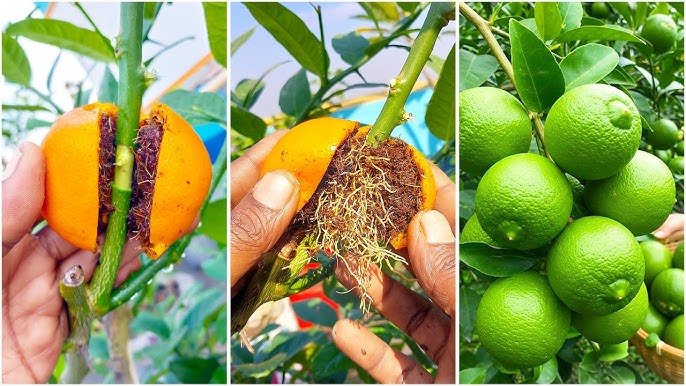
Air layering is a sophisticated propagation method used by nurseries. It creates a new plant while still attached to the parent tree, ensuring a high success rate.
Materials Needed
- A sharp knife
- Sphagnum moss
- Plastic wrap
- Twine or rubber bands
- Rooting hormone
Steps for Air Layering
- Choose a Thick Branch
Select a branch about 1–2 cm in diameter. - Make a Ring Cut
Remove a ring of bark (about 1 inch wide) around the branch. - Apply Rooting Hormone
Coat the exposed wood with hormone for fast rooting. - Wrap with Moss
Moisten sphagnum moss and wrap it around the cut. - Cover with Plastic
Wrap the moss with plastic wrap and secure with twine. - Wait for Roots
Roots appear in 6–10 weeks. - Cut and Plant
Once roots fill the moss, cut below the new root mass and plant it.
✅ Air layering produces very strong, ready-to-grow plants.
Method 3: Grafting – For Professional-Quality Lemon Trees
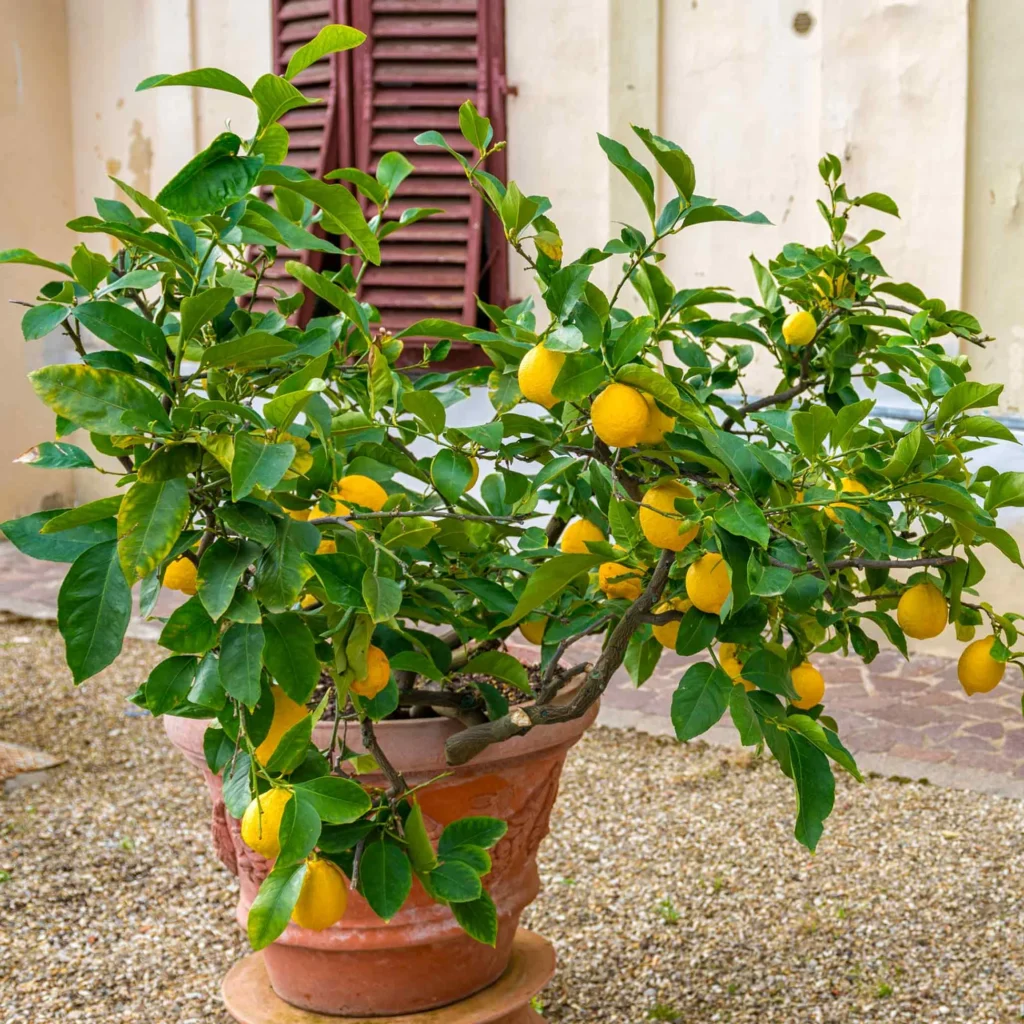
Grafting involves joining a lemon shoot (scion) to a hardy rootstock. This ensures:
- Disease resistance
- Faster growth
- Better fruit quality
Although grafting requires skill, it produces superior plants. Home gardeners interested in advanced propagation often experiment with cleft grafting or bud grafting.
Method 4: Propagating Lemons from Seeds (Not Ideal)
Growing lemons from seeds is easy but not recommended if you expect the same taste or quality as the parent tree. Seed-grown plants may:
- Take 4–7 years to fruit
- Produce inferior or inconsistent fruit
- Lose the characteristics of the original plant
Seed propagation is great for learning and experimentation, but not ideal for fruit production.
Best Conditions for Lemon Propagation
To maximize success, lemons generally need:
- Warm temperatures (20–30°C)
- Bright but indirect sunlight
- High humidity for cuttings
- Well-draining soil
- Regular watering (but not waterlogging)
Lemon cuttings fail mostly due to:
- Overwatering
- Dry air
- Weak cuttings
- Poor light
- Fungal infections
Caring for Young Lemon Plants
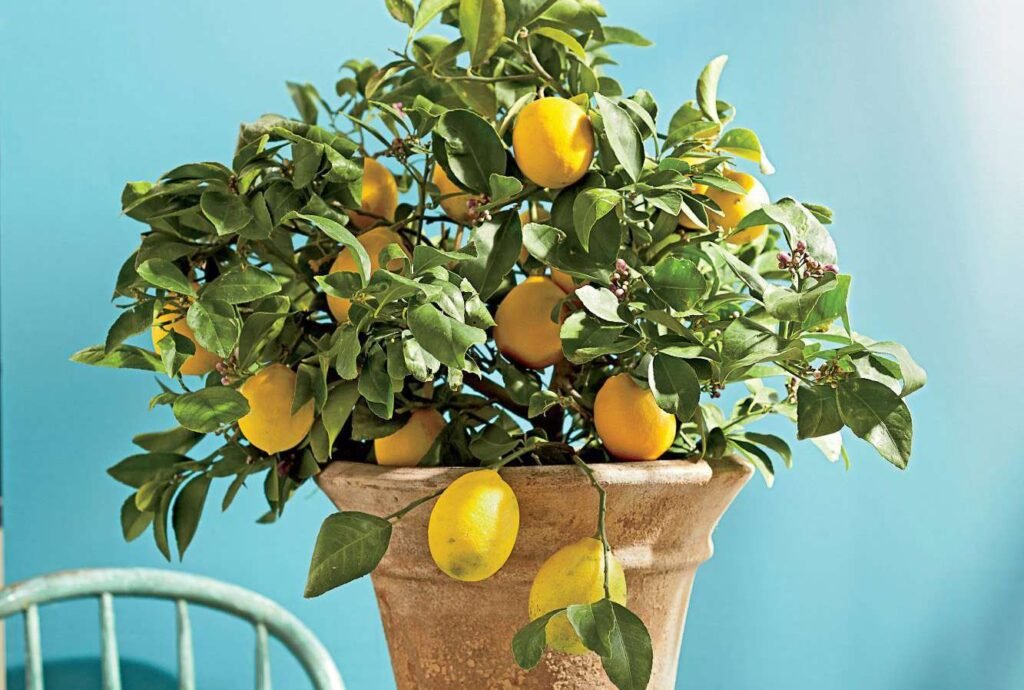
Once your cutting or layered plant develops roots, proper care is essential.
Watering
Keep the soil moist but not soggy. Young roots rot easily.
Light
Provide bright sunlight, at least 4–6 hours a day.
Fertilization
Use a light dose of balanced fertilizer after 4–6 weeks.
Pruning
Prune lightly to encourage branching and improve shape.
Common Mistakes to Avoid
- Using soft, immature cuttings — these rot easily.
- Exposing cuttings to direct sun too early
- Not using rooting hormone
- Using heavy soil that holds water
- Overwatering
- Neglecting humidity
Avoiding these mistakes dramatically improves success rates.
Why Lemon Propagation Is So Popular
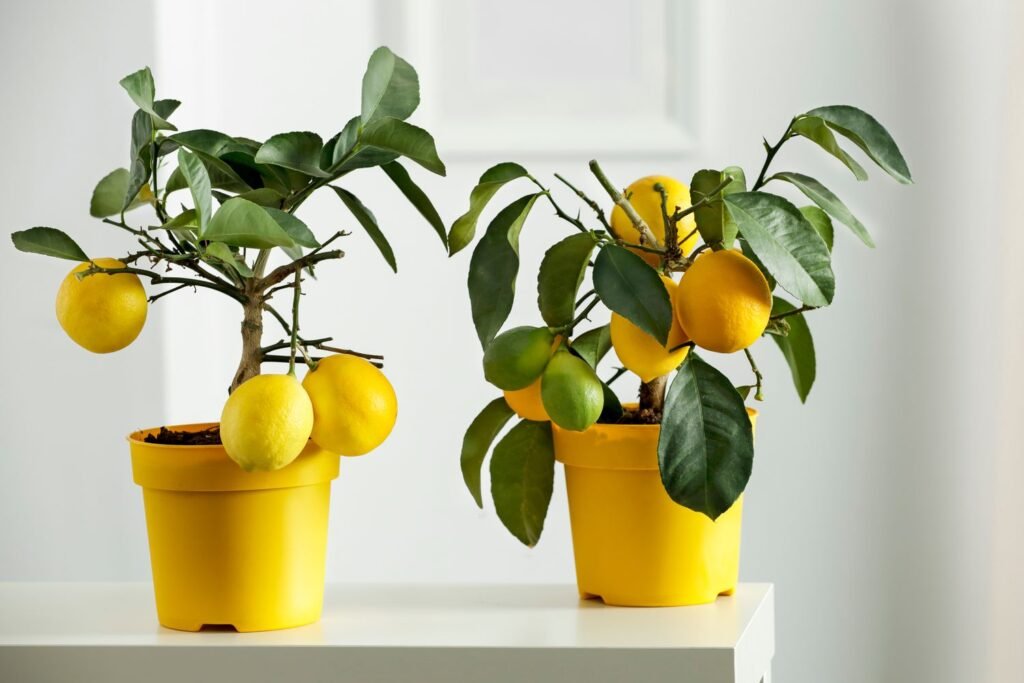
Lemon propagation is loved because:
- It is inexpensive
- Results are fast
- Plants remain true to the parent
- It allows gardeners to share plants
- You can experiment with multiple techniques
A single lemon tree can produce dozens of new plants through cuttings or layering.
Conclusion: Start Propagating Today
Propagating lemon trees is a satisfying and practical gardening activity. Whether you choose the simplicity of stem cuttings or the reliability of air layering, you can easily grow new lemon plants at home with minimal investment.
With patience, proper care, and the right technique, you will soon enjoy lush green plants and aromatic fruits. Propagation not only expands your garden but also deepens your understanding of plant biology and horticulture.