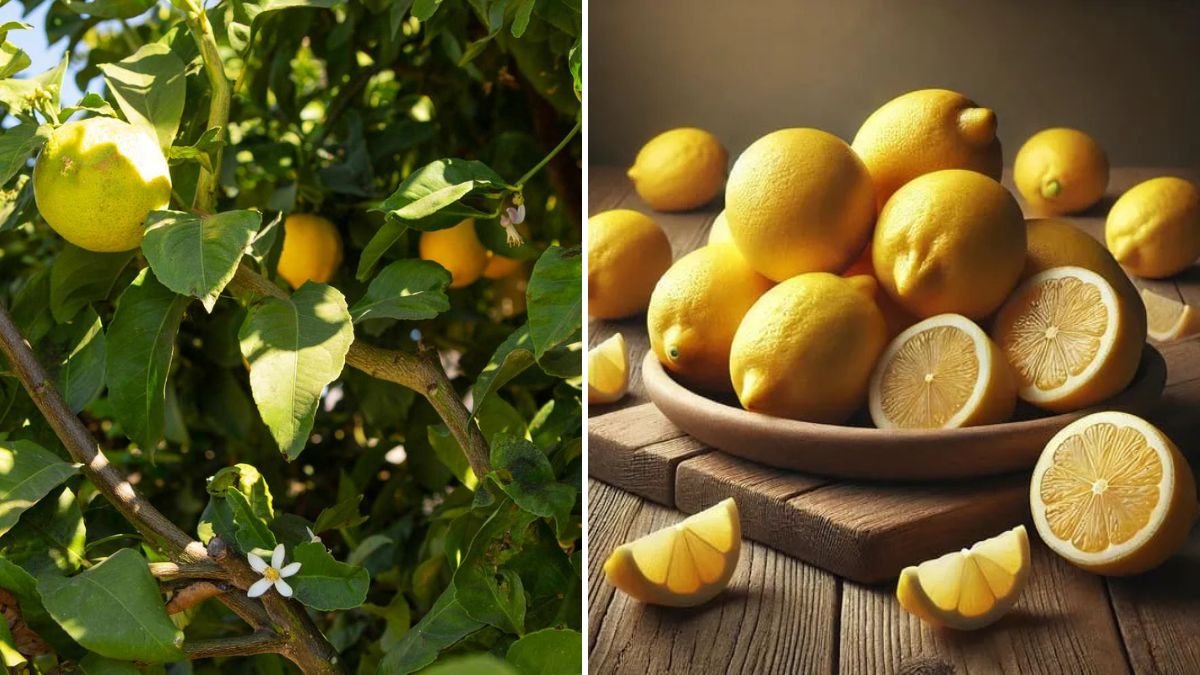
Lemon trees are cherished worldwide for their vibrant appearance, refreshing aroma, and delicious fruits. Whether grown in a spacious garden or a small balcony pot, lemon trees add beauty and freshness to any space. For gardeners looking to expand their citrus collection or multiply a favorite variety, lemon tree propagation is the most efficient and economical method.
Propagation allows you to create new plants from an existing tree while preserving the exact characteristics of the parent plant. Unlike seed-grown lemon trees—which may take many years to fruit and often produce inconsistent quality—vegetative propagation produces clones that flower and bear fruit much sooner.
In this comprehensive guide, we will explore the best methods for propagating lemon trees, explain step-by-step procedures, discuss aftercare, and cover common challenges. Whether you are a beginner or an experienced gardener, this guide will help you grow healthy and productive lemon plants.
What Is Lemon Tree Propagation?
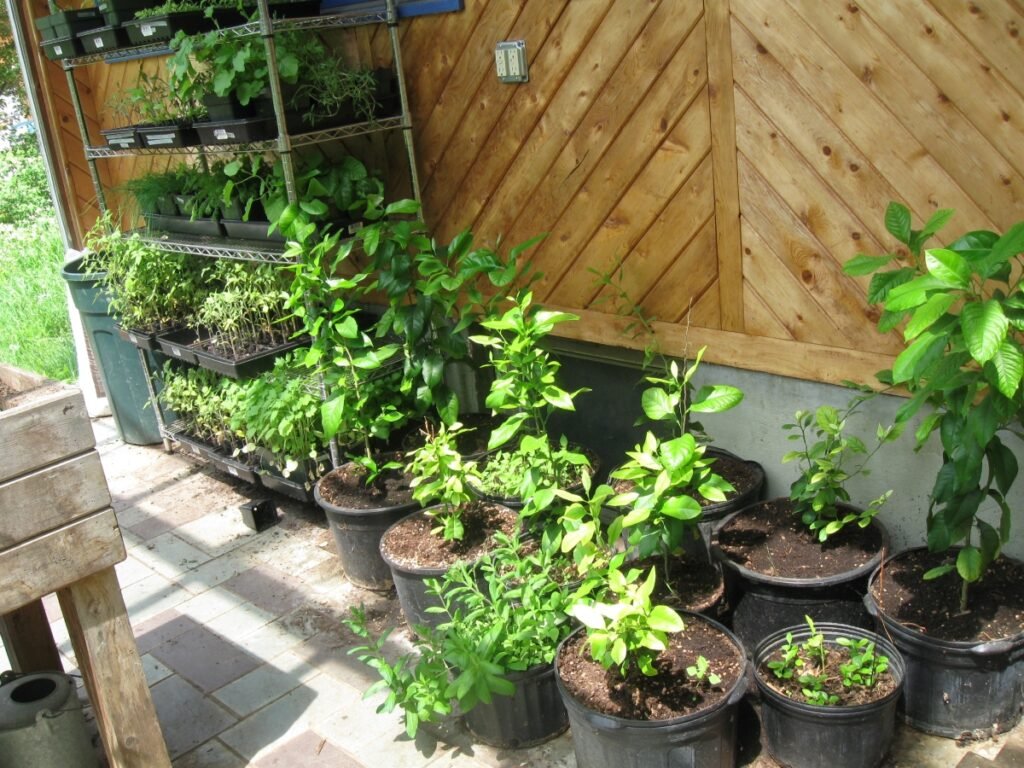
Lemon tree propagation is the process of producing new plants using parts of an existing tree rather than seeds. Lemon trees can be propagated through multiple techniques, including:
- Stem cuttings (most common and beginner-friendly)
- Air layering (excellent for mature branches)
- Grafting (professional technique used commercially)
- Seeds (easy but slow and not true-to-type)
Propagation works because lemon plants contain meristematic tissues capable of developing into roots or shoots when provided with suitable conditions such as warmth, moisture, and humidity.
Among these methods, stem cuttings and air layering are the most effective for home gardeners.
Method 1 — Lemon Tree Propagation Using Stem Cuttings (Best Method)
Stem cuttings are the easiest, quickest, and most reliable way to propagate a lemon tree. This method produces plants identical to the parent tree and usually has a success rate above 70–80% when done correctly.
Materials Needed
- Healthy lemon branch
- Sharp pruning shears
- Rooting hormone (optional)
- Pot with drainage
- Well-draining soil
- Plastic bag or humidity dome
Step-by-Step Procedure
1. Select the Right Branch
Choose a semi-hardwood cutting—not too soft, not too woody.
Ideal characteristics:
- 6–8 inches long
- Greenish-brown
- No flowers or buds
- Healthy leaves
- No disease
2. Make a Clean Cut
Cut just below a leaf node using sterilized shears.
Clean cuts encourage healthy roots.
3. Remove Lower Leaves
Strip off the leaves from the lower half of the cutting.
Leave 2–3 leaves at the top.
This reduces water loss and minimizes fungal infections.
4. Apply Rooting Hormone (Optional)
Dip the cut end in rooting powder or gel.
It significantly improves rooting speed and success rate.
5. Plant the Cutting
Insert the cutting into moist potting soil or sand.
Depth: 2–3 inches
Make sure it remains upright.
6. Maintain Humidity
Cover the pot with:
- A plastic bag
- A transparent bottle
- Or a humidity dome
Humidity helps the cutting stay hydrated until roots develop.
7. Place in Bright Shade
Avoid direct sunlight during rooting.
Indirect light prevents drying and stress.
8. Wait for Roots
Roots develop in 4–8 weeks.
Signs of success:
- New leaves
- Firm stem
- Slight resistance when pulling
Care Tips for Cuttings
- Keep soil moist, not wet
- Do not overwater
- Mist daily if dry
- Remove plastic slowly after rooting
With proper care, cuttings grow quickly and fruit earlier than seed-grown plants.
Method 2 — Lemon Tree Propagation by Air Layering (High Success Rate)

Air layering is perfect for older or woody branches that do not root easily from cuttings.
This technique encourages roots to form while the branch is still attached to the parent plant.
Steps for Air Layering
- Choose a healthy branch
- Remove a ring of bark (1–2 cm thick)
- Apply rooting hormone
- Wrap the area with moist sphagnum moss
- Cover with plastic
- Tie tightly
- Keep moss moist
- Roots form in 6–10 weeks
- Cut below the rooted section
- Plant in soil
Advantages
- Stronger root system
- Minimal shock
- Works well on mature trees
- Higher success rate
Air layered plants grow vigorously and fruit faster.
Method 3 — Propagation From Seeds (Simple but Slow)
Growing lemon trees from seeds is fun and educational, but not ideal for fruit production.
Steps
- Remove seeds from ripe fruit
- Clean pulp
- Dry for 1–2 hours
- Plant in potting mix
- Keep moist
- Provide sunlight
Seedlings appear within 2–4 weeks.
Cons of Seed Propagation
- Fruits may differ
- Takes 4–7 years to fruit
- Weak plants
- Not true-to-type
Seeds are useful for learning rather than practical farming.
Optimal Conditions for Lemon Propagation
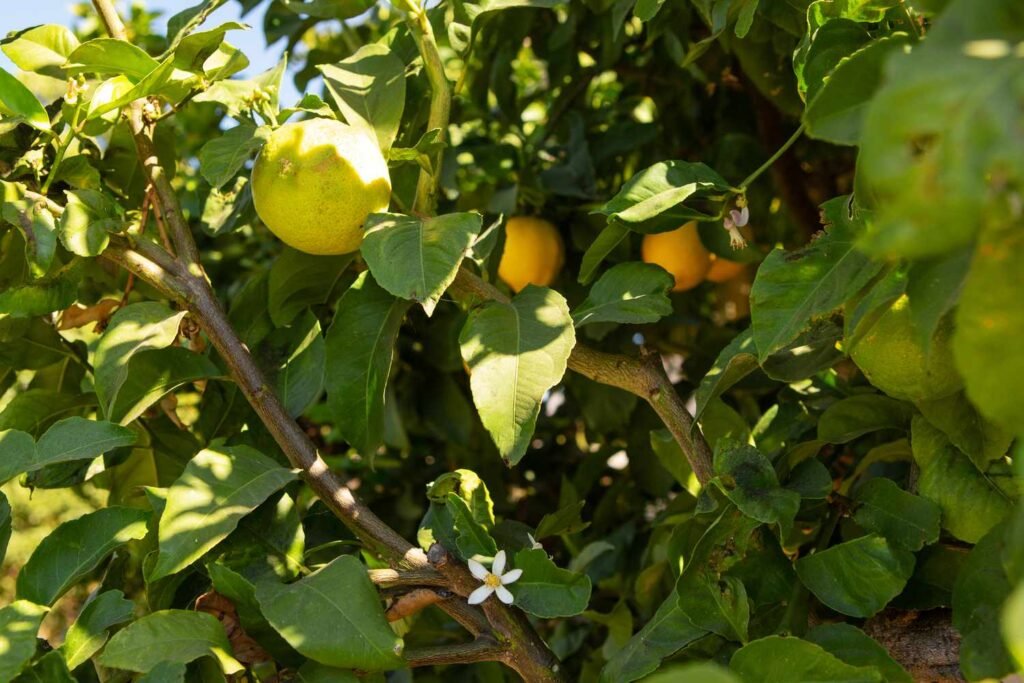
Sunlight
Lemon trees require:
- Minimum 4 hours
- Ideal 6–8 hours
Sunlight affects flowering and fruiting.
Watering
Young plants need:
- Moist soil
- No waterlogging
Overwatering leads to root rot.
Soil Requirements
Use:
- Sandy loam
- Well-drained soil
- Organic compost
Lemon roots dislike soggy soil.
Temperature
Best temperature:
- 20–30°C (68–86°F)
Cold slows development.
Care After Propagation
Once roots appear:
- Transplant into a bigger pot or soil
- Provide full sunlight
- Water moderately
- Fertilize every 4–6 weeks
- Prune lightly
- Remove weak shoots
- Monitor pests
Proper care leads to early fruiting.
When Does a Propagated Lemon Tree Bear Fruit?
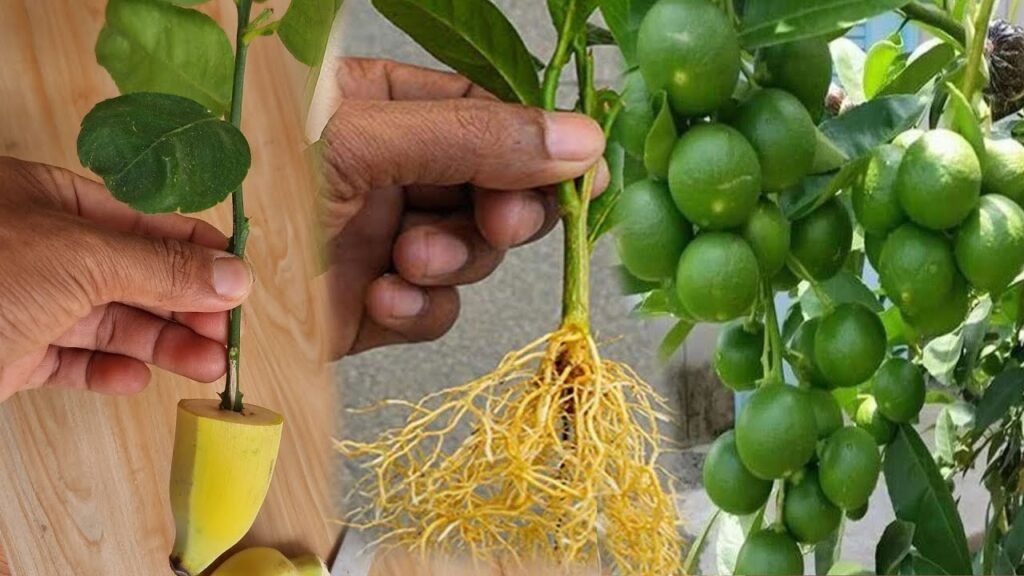
Fruit-bearing time varies by method:
- Stem cuttings: 2–3 years
- Air layering: 1–2 years
- Seeds: 4–7 years
- Grafting: 1–2 years
Cuttings and air layering produce fruits fastest.
Pruning for Better Growth
Pruning helps:
- Maintain shape
- Increase airflow
- Reduce disease
- Boost fruit production
Prune:
- Dead stems
- Weak branches
- Crossing branches
Best time: after fruiting or during winter.
Common Problems & Solutions
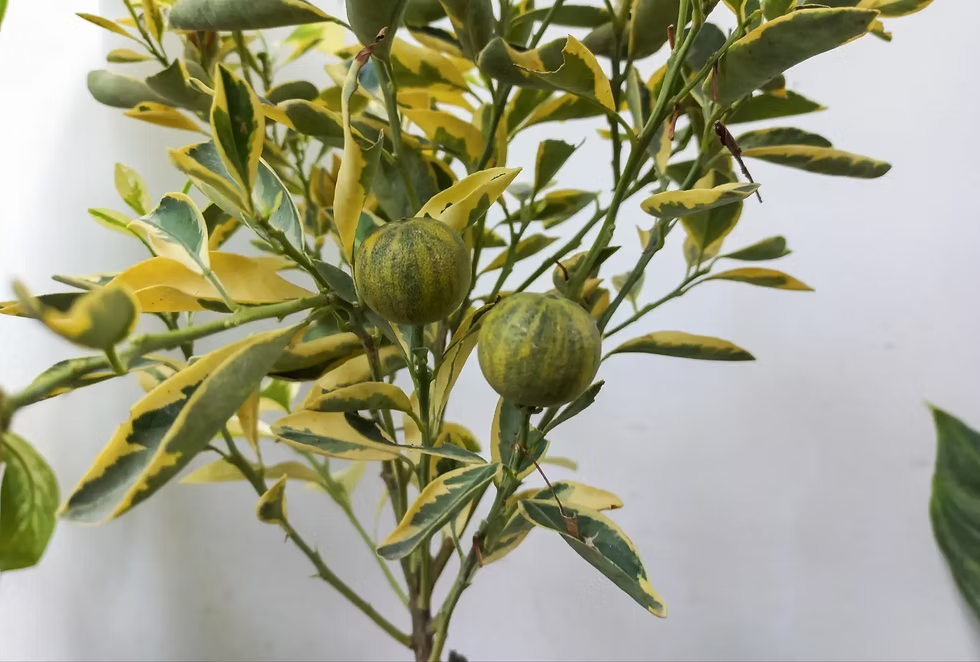
1. Yellow Leaves
Cause: Overwatering
Solution: Improve drainage + fertilize
2. No Flowers or Fruits
Cause: Lack of sunlight
Solution: Move plant to a sunnier place
3. Pest Infestation
Common pests:
- Aphids
- Scale
- Mealybugs
Solution: Neem oil spray
4. Root Rot
Cause: Waterlogging
Solution: Reduce watering
Conclusion
Lemon tree propagation is a rewarding and cost-effective way to expand your citrus garden. By using stem cuttings or air layering, you can produce strong, healthy lemon plants that mature faster and bear fruit earlier than seed-grown trees.
Propagation not only helps preserve favorite varieties but also allows gardeners to share plants, reduce expenses, and enjoy fresh lemons from their own garden.
With proper sunlight, balanced watering, good soil, and consistent care, your propagated lemon tree will flourish, blossom beautifully, and eventually gift you with juicy, aromatic fruits.
Start propagating today and turn your garden into a fragrant citrus paradise filled with sunshine and delicious lemons.