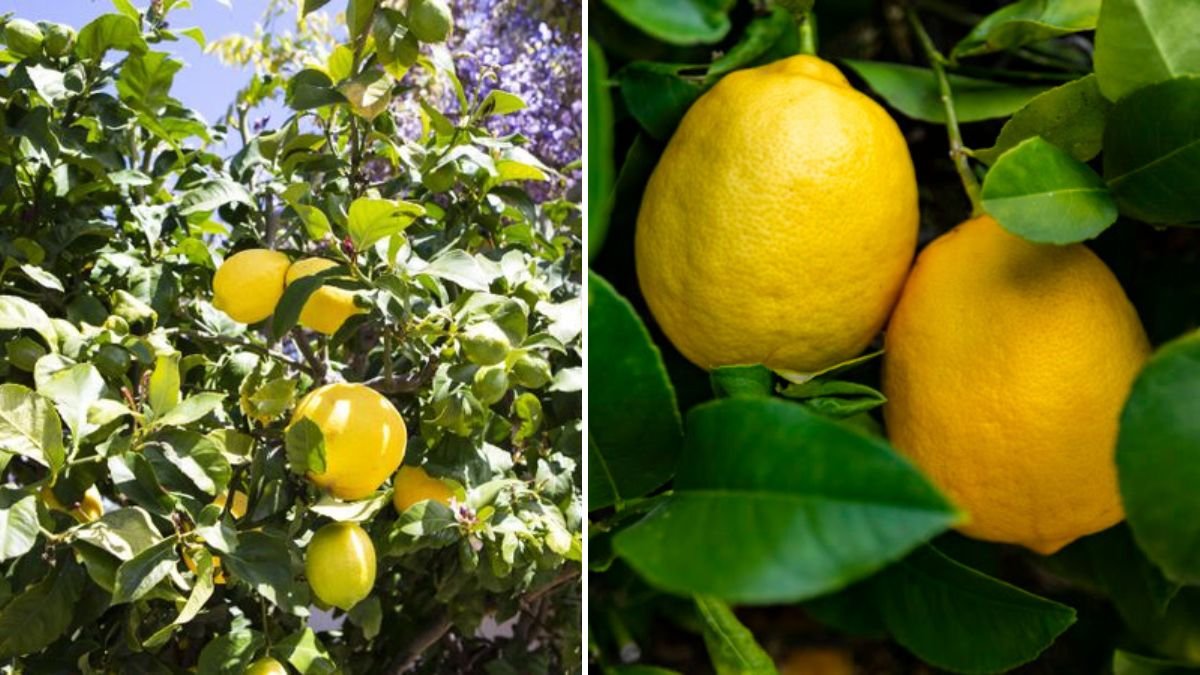
Lemon trees are one of the most cherished fruit trees in home gardens. Their bright green leaves, aromatic flowers, and tangy fruits add beauty and freshness to any space. Growing lemons at home allows gardeners to enjoy fresh, chemical-free fruits while also enhancing their surroundings with a fragrant and attractive plant.
One of the best ways to multiply lemon trees is through propagation, which involves creating new plants from an existing one. Propagating lemon trees helps preserve the exact qualities of the parent plant and allows you to grow multiple trees without purchasing saplings. Whether you have a small balcony or a large backyard, propagation gives you the opportunity to expand your garden naturally and economically.
In this comprehensive guide, we will walk you through the most effective methods of propagating lemon trees, along with care instructions that ensure success.
Understanding Lemon Tree Propagation
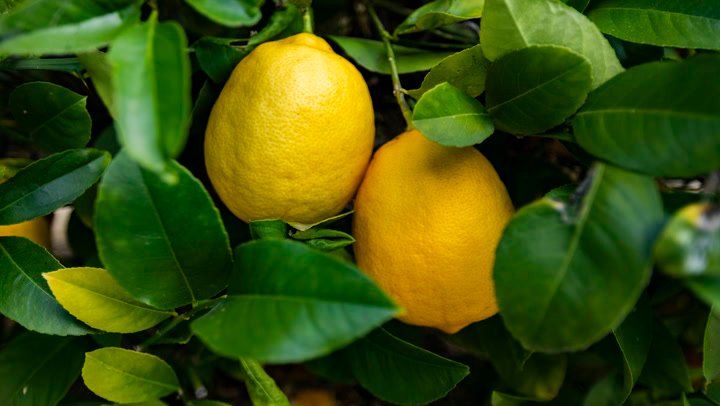
Lemon trees (Citrus limon) can be propagated using several techniques, each with its own advantages. The most common methods include:
- Stem cuttings (most beginner-friendly)
- Air layering (high success rate)
- Seeds (easy but slow)
- Grafting (professional-level technique)
Propagation works because plants contain meristem tissues that can develop into roots or shoots when given the right conditions. By encouraging these tissues, gardeners can transform a branch or cutting into a new tree.
Method 1 — Propagating Lemon Trees from Stem Cuttings (Best Method)
Stem cuttings are the most reliable and widely used method. They produce plants that are genetically identical to the parent tree, ensuring consistent fruit quality.
Materials Needed
- Healthy lemon branch
- Sharp pruning shears
- Rooting hormone (optional)
- Potting soil
- Pot with drainage
- Plastic cover or humidity bag
Step-by-Step Procedure
1. Choose the Right Branch
Select a semi-hardwood stem — not too soft and not woody.
Features:
- Healthy leaves
- No diseases
- 6–8 inches long
2. Make a Clean Cut
Cut just below a node.
Use sterilized shears to prevent infection.
3. Remove Lower Leaves
Strip leaves from the bottom half.
Leave 2–3 leaves at the top.
This reduces evaporation and prevents rot.
4. Apply Rooting Hormone (Optional)
Dip the cutting into rooting powder or gel.
This speed up root formation.
5. Plant the Cutting
Insert the cutting into moist potting soil.
Depth: 2–3 inches
Ensure at least two nodes are buried.
6. Create Humidity
Cover the pot with:
- Plastic bag
- Clear bottle
- Humidity dome
Humidity helps prevent drying.
7. Place in Indirect Light
Avoid direct sunlight until roots form.
8. Wait for Roots to Develop
Roots appear in 4–8 weeks.
Signs:
- New leaves
- Firm stem
- Resistance when gently tugged
Care Tips for Cuttings
- Keep soil slightly moist
- Avoid overwatering
- Mist daily if humidity is low
- Remove plastic slowly after rooting
Cuttings rooted this way grow faster and fruit earlier.
Method 2 — Propagating Lemon Trees Using Air Layering
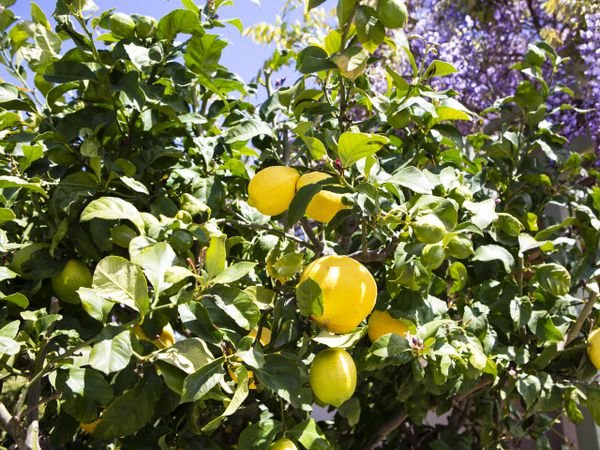
Air layering is ideal for older lemon trees or branches that do not root easily from cuttings.
Steps for Air Layering
- Choose a healthy branch
- Remove a ring of bark (1–2 cm)
- Apply rooting hormone
- Wrap the area with moist sphagnum moss
- Cover with plastic
- Secure tightly
- Keep moss moist
- Roots appear in 6–10 weeks
- Cut below the rooted section
- Plant in soil
Advantages of Air Layering
- Higher success rate
- Strong root system
- Minimal shock
- Works well for mature branches
Air layering creates a ready-to-grow plant with strong roots.
Method 3 — Growing Lemon Trees from Seeds
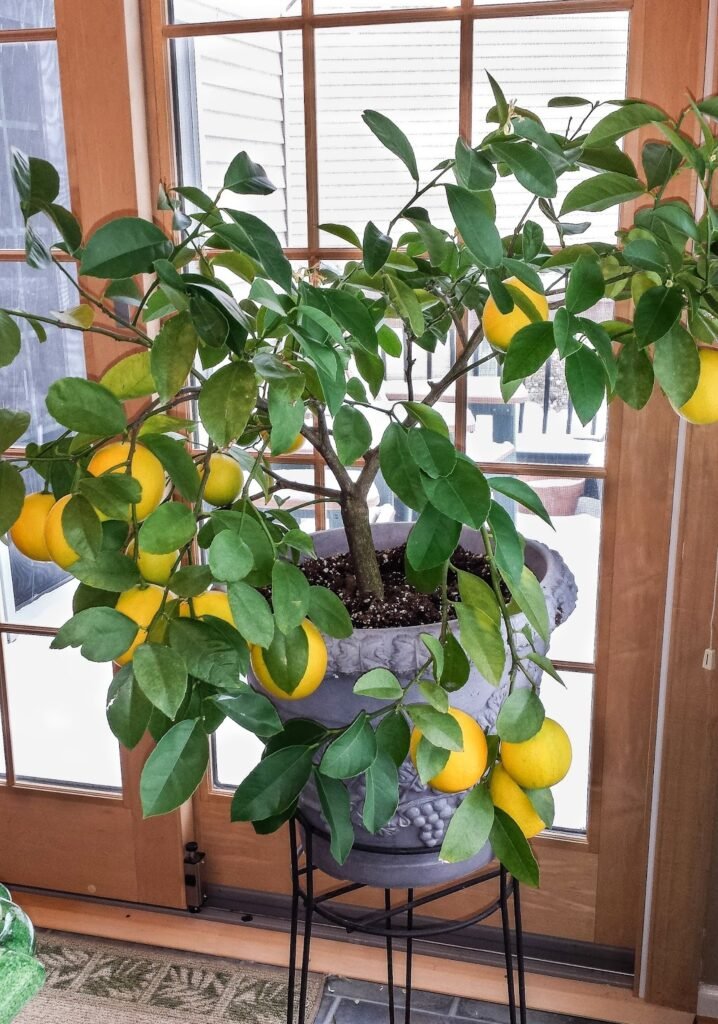
Growing lemons from seeds is fun, especially for beginners or children. However, seed-grown plants take longer to fruit and may not resemble the parent tree.
Steps
- Choose ripe lemons
- Remove seeds
- Clean off pulp
- Dry seeds for a few hours
- Plant in potting soil
- Keep soil moist
- Place in sunlight
Seedlings appear in 2–4 weeks.
Disadvantages of Seed Propagation
- Fruits may differ
- Takes 4–7 years to bear fruit
- Plants may be weak
- Not true-to-type
Seed propagation is educational but not ideal for quick results.
Method 4 — Grafting Lemon Trees (Advanced)
Grafting combines:
- Rootstock → Strength & disease resistance
- Scion → Fruit quality
Common techniques:
- T-budding
- Whip grafting
- Cleft grafting
Grafted plants:
- Fruit faster
- Produce uniform quality
- Resist diseases
- Grow stronger
However, grafting requires skill and practice.
Ideal Conditions for Lemon Propagation
To maximize success:
Sunlight
Cuttings need:
- Bright indirect light
- No harsh sunlight
Roots develop best in warm conditions.
Temperature
Ideal:
- 20–30°C (68–86°F)
Humidity
High humidity promotes rooting.
Soil
Use:
- Well-drained soil
- Sandy loam
- Potting mix
Lemon roots cannot tolerate waterlogging.
Watering Requirements
Young plants require:
- Moist soil
- No soggy conditions
Water deeply but allow drying between watering.
Overwatering causes root rot.
Fertilizing Young Lemon Plants
Feed every 4–6 weeks with:
- NPK (10-10-10)
- Organic compost
- Potassium during fruiting
Fertilization enhances growth and flowering.
Pruning Lemon Trees
Pruning helps:
- Maintain shape
- Increase airflow
- Improve fruit size
- Reduce diseases
Prune:
- Dead branches
- Weak stems
- Crowded areas
Prune during winter or after fruiting.
Common Problems and Solutions
1. Yellow Leaves
Cause: Overwatering or nutrient deficiency
Solution: Improve drainage + fertilize
2. No Fruits
Cause: Lack of sunlight
Solution: Provide 6–8 hours sun
3. Pests
Includes:
- Aphids
- Scale
- Mealybugs
Solution: Neem oil spray
4. Root Rot
Cause: Waterlogging
Solution: Reduce watering + improve drainage
When Will My Propagated Lemon Tree Bear Fruit?
Time varies:
- Cuttings: 2–3 years
- Air layering: 1–2 years
- Seeds: 4–7 years
- Grafting: 1–2 years
Propagation method greatly influences fruiting speed.
Tips to Grow Healthy Lemon Trees Faster
Give full sunlight
Mulch soil
Fertilize regularly
Prune lightly
Protect from cold
Maintain good drainage
Healthy roots lead to abundant fruits.
Conclusion
Propagating a lemon tree is an enjoyable and highly rewarding gardening experience. Whether you choose stem cuttings, air layering, seeds, or grafting, propagation helps you create new plants with the same characteristics as the original tree.
For beginners, stem cuttings and air layering are the best methods due to their high success rates and faster fruiting time. With patience, proper care, and the right environment, your propagated lemon tree will grow strong, flower beautifully, and eventually produce juicy, aromatic lemons.
Growing lemons at home not only provides fresh fruits but also fills your garden with fragrance and greenery. Start today, propagate your own lemon tree, and enjoy nature’s citrus gift right at your doorstep.