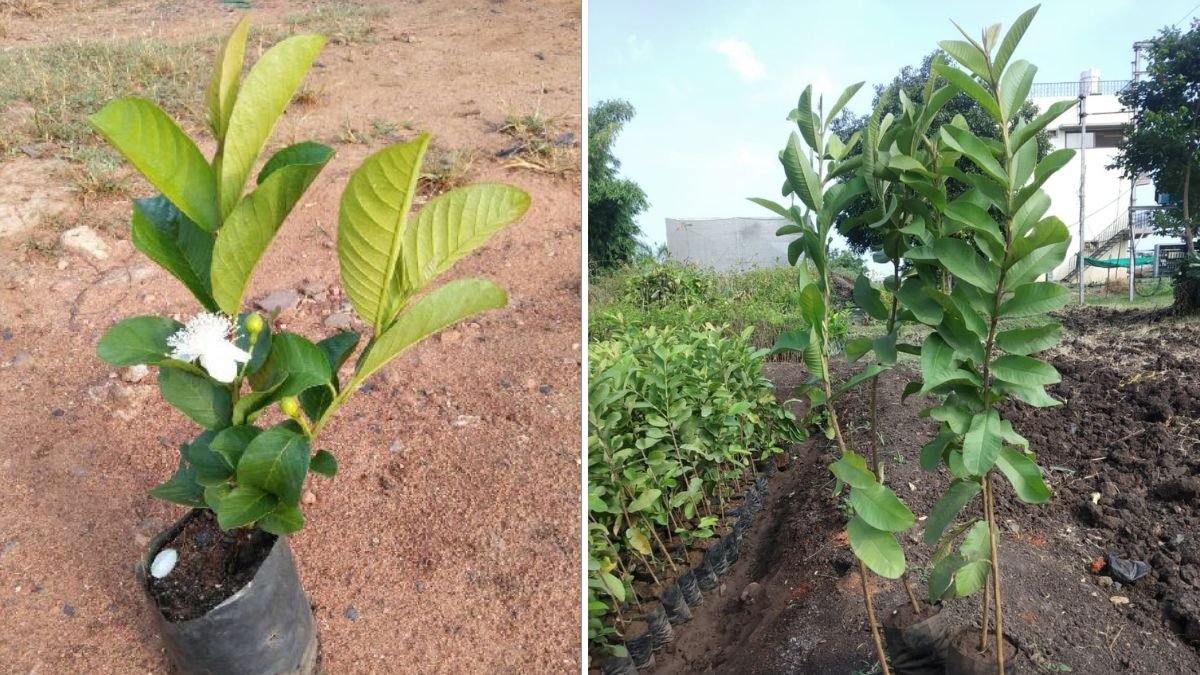
Guava is one of the most popular fruit trees worldwide, loved for its sweet aroma, rich flavor, and incredible health benefits. But despite its popularity, many home gardeners struggle with slow-growing guava trees, poor fruiting, or weak branches.
What if you could grow a stronger, faster, more productive guava tree — just like professional horticulturists do?
Professionals use specific techniques that aren’t commonly mentioned in regular gardening guides. These methods boost root growth, strengthen trunks, speed up fruiting, and dramatically increase yield.
In this 1200-word article, you’ll uncover the hidden guava-growing secrets used by experts, explained in simple terms so anyone can apply them at home.
Let’s dive into the world of professional guava cultivation — and learn how to grow a guava tree that looks and fruits like a commercial orchard tree.
1. Why Guava Trees Grow Slowly (and How Professionals Fix It)
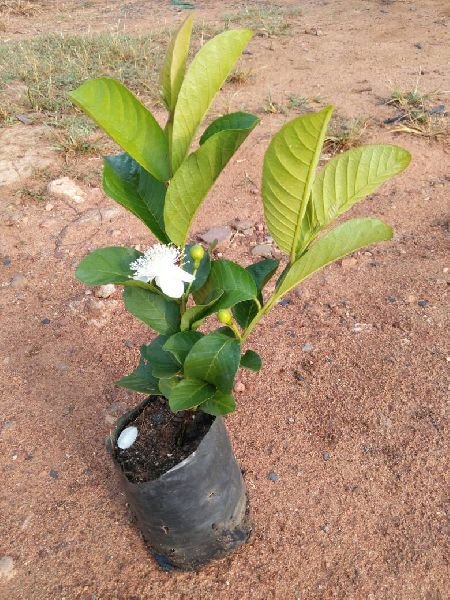
Guava trees may look easy to grow, but slow growth usually results from:
- Poor soil aeration
- Overwatering
- Weak root systems
- Lack of micronutrients
- Incorrect pruning
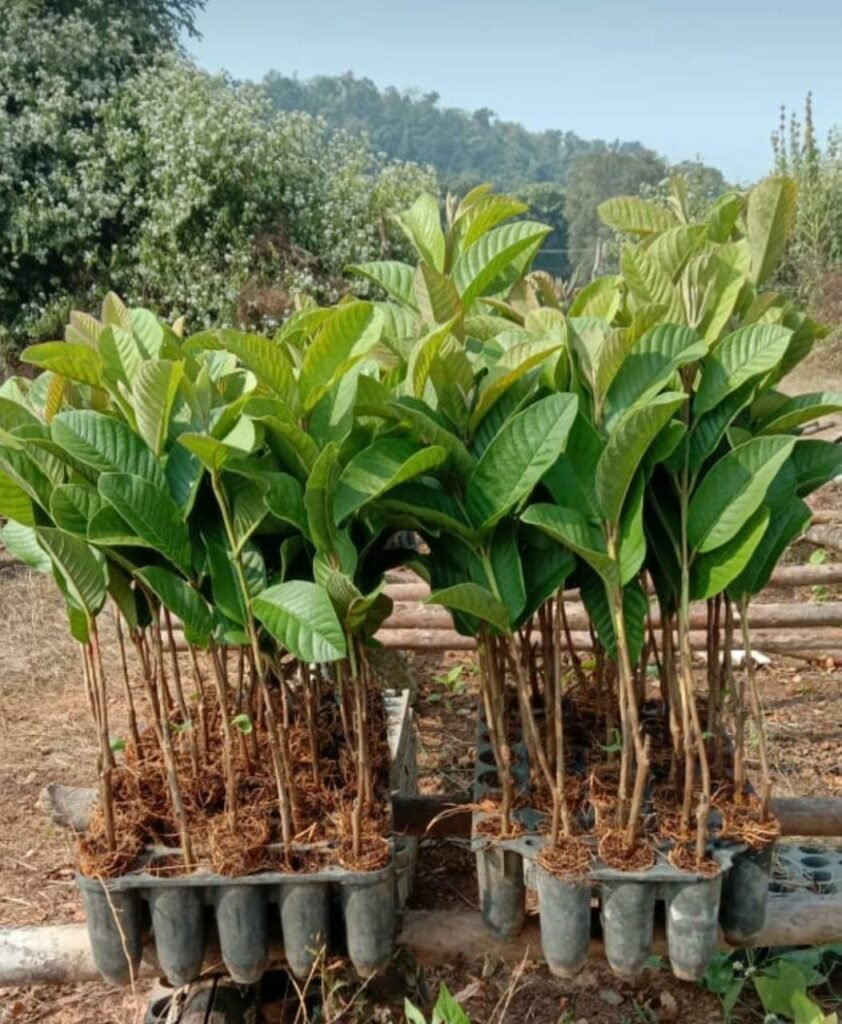
- Weak saplings
- Inconsistent sunlight
Professionals identify these problems early and correct them with scientific techniques.
Once these issues are fixed, guava trees grow twice as fast and start fruiting much earlier.
2. Professional Soil Mix: The Secret Behind Strong Guava Roots
Guava roots love loose, well-aerated soil.
Professionals never plant guava trees in compact soil.
Pro Soil Mix Formula:
- 40% garden soil
- 30% sand or perlite
- 20% compost or manure
- 10% cocopeat
Add these boosters:
- 1 handful neem cake → prevents root diseases
- 1 tbsp bone meal → strengthens roots
- 1 cup vermicompost → constant nutrients
This combination:
- Encourages deep roots
- Prevents waterlogging
- Speeds up growth
- Improves fruit size
A guava tree with a healthy root system grows faster and fruits earlier.
3. The Sunlight Trick Professionals Always Use
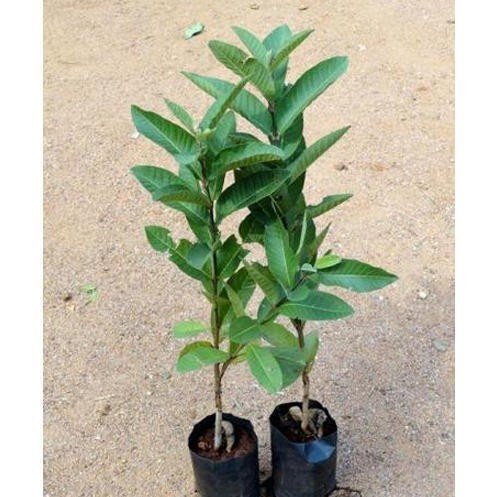
Guava trees are sun-loving trees.
Professionals ensure guava trees receive:
- 8–10 hours of direct sunlight daily
Sunlight affects:
- Leaf growth
- Flowering
- Fruit formation
- Sugar content
- Branch strength
Even partial shade reduces fruiting dramatically.
If your plant is in a pot, move it to direct sunlight every morning.
4. Watering Like a Pro: Less Is More
Many gardeners overwater guavas, causing:
- Root rot
- Weak stems
- Yellow leaves
- Slow growth
Professionals follow this pattern:
✔ Water deeply
✔ Water 1–2 times per week
✔ Let the soil dry between waterings
✔ Avoid soggy soil
Healthy roots require oxygen.
Too much water suffocates roots and slows growth.
5. The Hidden Growth Booster: Organic Nutrient Cycling
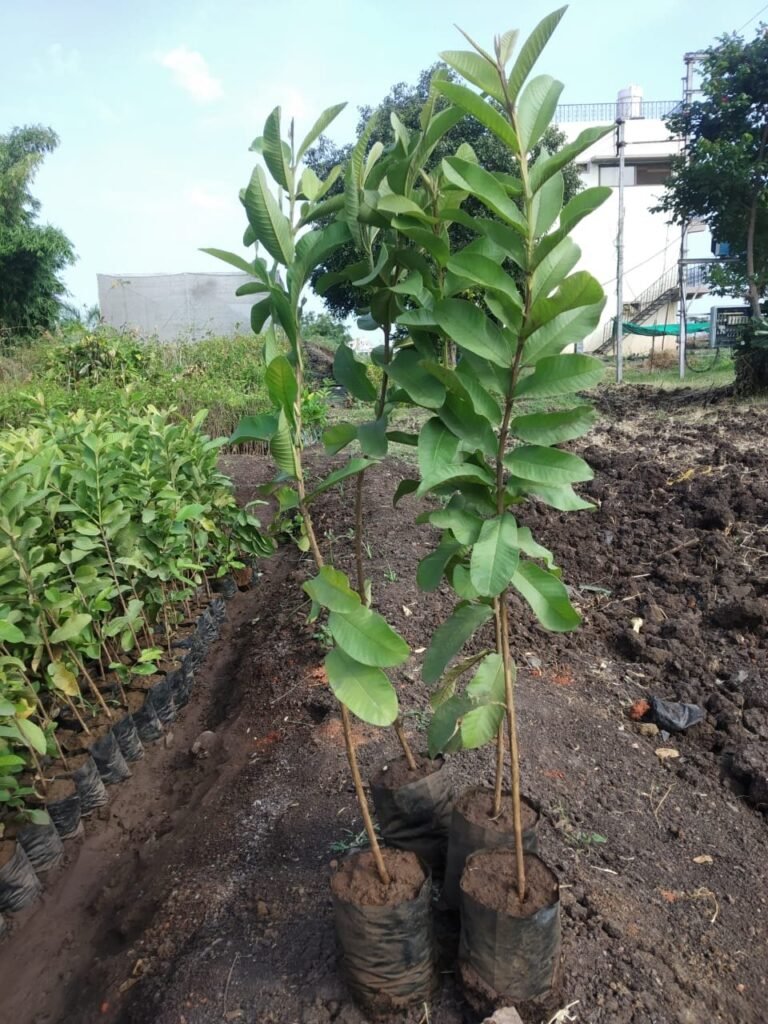
Professionals don’t rely only on chemical fertilizers.
They use organic nutrient cycling, which improves soil fertility naturally.
Organic materials used:
- Dry leaves
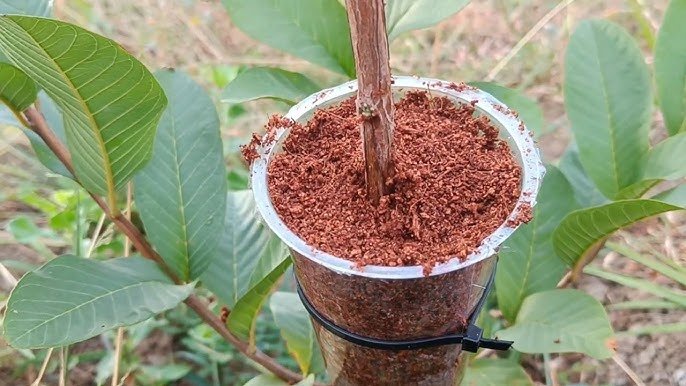
- Coconut husk
- Coffee grounds
- Banana peels
- Cow dung
- Grass clippings
These materials:
- Improve soil structure
- Increase beneficial microbes
- Release nutrients slowly
- Boost root growth
Mulching also keeps the soil cool and moist — perfect for guava.
6. The Professional Pruning Method That Boosts Fruiting
Pruning is one of the most misunderstood techniques.
Professionals prune guava trees to:
- Strengthen branches
- Improve airflow
- Increase sunlight penetration
- Promote new shoots
- Trigger earlier flowering
✔ When to prune:
- After harvest
- During dormancy
- When branches are crowded
✔ What to remove:
- Weak branches
- Crossing branches
- Dry twigs
- Damaged parts
✔ Shape the tree:
Keep a balanced canopy with open spaces.
This helps:
- Reduce diseases
- Increase fruit size
- Improve yield
- Encourage multiple flowering cycles
7. The Secret to Getting Guava to Fruit Earlier
Guava trees fruit earlier when they:
- Receive proper sunlight
- Are pruned correctly
- Have low nitrogen and high potassium
- Are slightly stressed (not overwatered)
Professionals use:
- Potassium sulfate
- Bone meal
- Wood ash
- Banana peel fertilizer
These nutrients stimulate:
- Flower bud formation
- Strong stems
- Bigger fruits
- Better sweetness
8. Professional Fertilizer Schedule for Maximum Growth
Every 30 Days:
- Compost
- Vermicompost
- Mustard cake
- Neem cake
Every 60–90 Days:
- Bone meal
- Rock phosphate
- Potassium fertilizer
Micronutrients (spray every 20 days):
- Zinc
- Magnesium
- Iron
Micronutrients are essential for leaf production and flowering.
Professionals never skip micronutrient sprays.
9. How to Make Guava Trees Flowers Multiply
Guava flowers appear on:
- New shoots
- Old wood
- Leaf axils
To increase flowers:
✔ Prune lightly
✔ Reduce watering slightly before flowering
✔ Apply potassium
✔ Ensure maximum sunlight
✔ Remove weak shoots
Professionals aim for multiple flushes of flowers every season.
10. Pest Control Like Professionals (Naturally)
Guava trees commonly face:
- Fruit flies
- Aphids
- Scale insects
- Whiteflies
Professionals use natural, eco-friendly sprays:
Neem oil spray
- 1 tbsp neem oil
- 1 tsp liquid soap
- 1 litre water
Spray early morning or evening
Neem keeps pests away while keeping the plant healthy.
11. Mulching: The Secret Experts Never Skip
Mulching helps guava trees grow faster by:
- Maintaining soil moisture
- Reducing heat stress
- Improving soil fertility
- Preventing weeds
- Protecting roots
Use:
- Dry leaves
- Straw
- Wood chips
- Coconut husk
Keep mulch 2–3 inches thick — but never touch the stem.
12. Water Stress Trick (Used by Professionals)
Professionals sometimes reduce watering slightly before flowering.
Why?
Because mild stress triggers:
- Flower bud formation
- Early fruiting
- Stronger flowering cycles
Note:
Stress should be mild — never let the plant wilt.
13. Why Grafted Guava Trees Perform Better
Grafted trees:
- Fruit earlier
- Produce consistent quality
- Grow stronger
- Resist diseases
- Have better flavour
Seed-grown trees:
- Take 5–8 years to fruit
- Have unpredictable taste
- Grow unevenly
Professionals always choose grafted plants.
14. How Long Before a Guava Tree Fruits?
- Grafted guava: 2–3 years
- Cutting: 3–4 years
- Seed: 5–8 years
With professional techniques, even grafted trees fruit earlier.
15. Harvesting Guavas Like a Pro
Pick guavas when:
- Skin turns light green or yellow
- Fruit smells sweet
- Slight softness
- Can be plucked easily
Harvesting too early → sour
Harvesting too late → mushy
Professional harvesters pick at the perfect maturity stage.
Conclusion — Discover the Secrets Professionals Use and Transform Your Guava Tree
Growing a powerful, fast, productive guava tree isn’t luck — it’s technique.
Professionals rely on:
- Perfect soil
- Controlled watering
- Organic nutrients
- Strategic pruning
- Micronutrient sprays
- Potassium for flowering
- Mulching
- Pest control
- Grafted plants
When you follow these expert secrets, your guava tree:
Grows faster
Has stronger branches
Fruits earlier
Produces sweeter fruits
Stays healthier
Survives stress
With these techniques, your guava tree will look like a commercial orchard plant — even if it grows in a pot or small backyard.