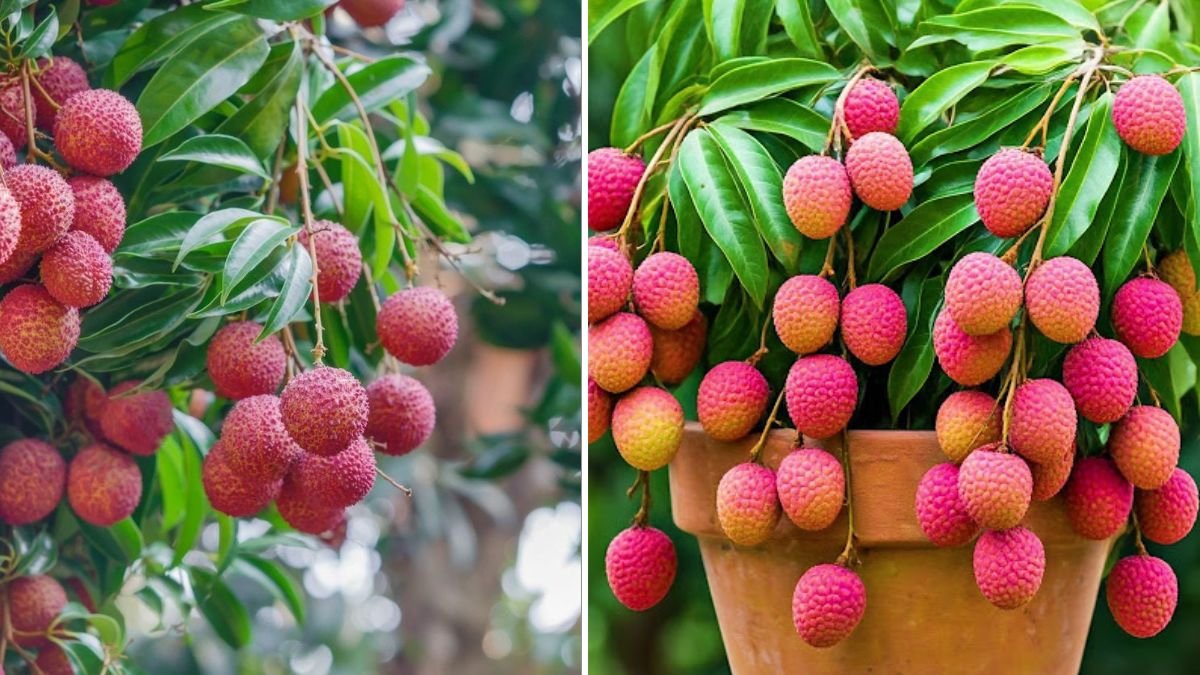
Lychee is one of the most loved tropical fruits—juicy, sweet, aromatic, and extremely refreshing. But did you know that growing your own lychee tree at home is easier than most people think? While many gardeners struggle with slow-growing seedlings, there is one method that consistently produces strong, healthy, and fast-growing lychee plants: air layering.
In this detailed, beginner-friendly guide, you’ll discover the most effective and foolproof way to propagate your own lychee tree—successfully, naturally, and right from your backyard.
Why Not Start Lychee from Seeds?
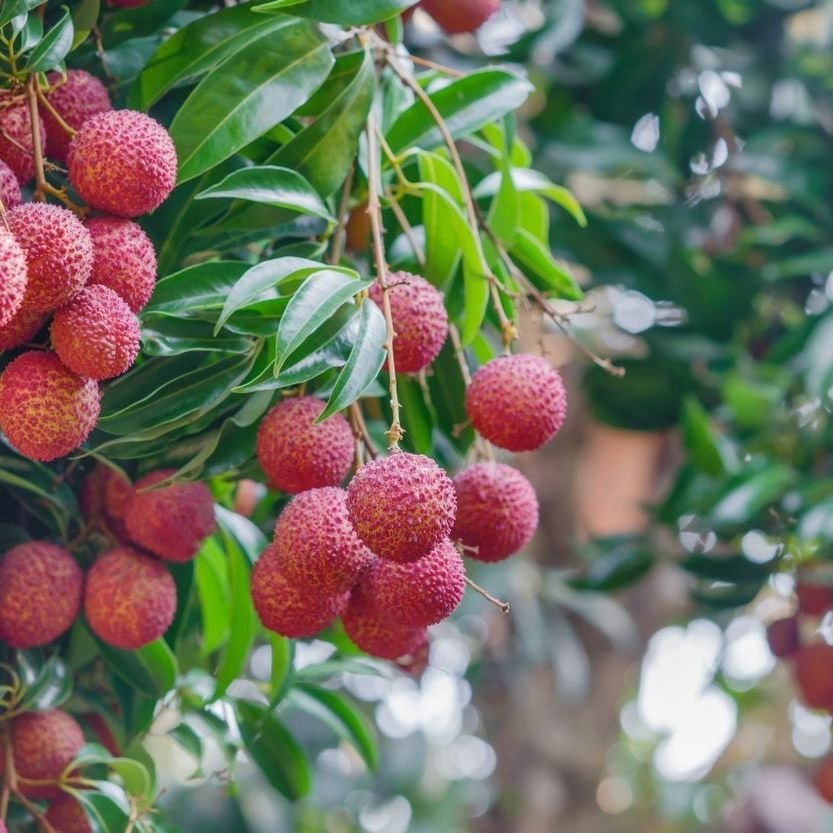
Before we jump into propagation, it’s important to understand why seeds aren’t the best option for lychee.
- Seedlings grow very slowly—sometimes taking 6–10 years just to fruit.
- They rarely stay true to type, meaning the fruit quality can vary greatly.
- The success rate is unpredictable and depends heavily on climate.
This is why gardeners and farmers prefer air layering for lychee propagation. It’s fast, reliable, and ensures your new plant is identical to the parent tree.
What Makes Air Layering the BEST Method for Lychee?
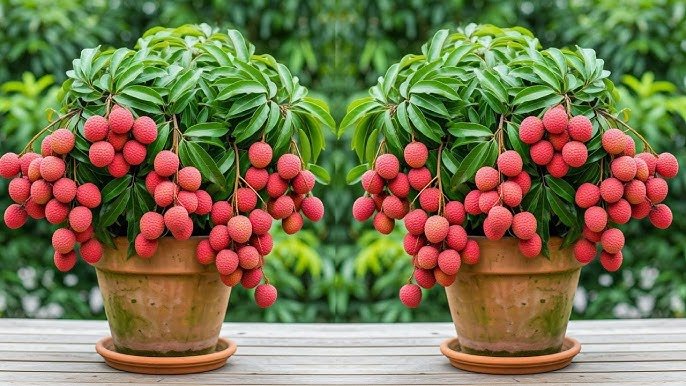
Air layering is the process of creating new roots on a branch while it’s still attached to the parent tree. This method gives lychee everything it needs—nutrition, stability, and moisture—allowing the branch to grow roots much faster than any other method.
Benefits of Air Layering Lychee
✔ Fastest way to propagate lychee
✔ Produces stronger, healthier saplings
✔ Ensures the same fruit quality as the parent
✔ Very high success rate
✔ No special tools needed
✔ Works even for beginners
If you want a fruiting lychee tree sooner, air layering is the absolute best way.
Step-by-Step Guide: How to Propagate Lychee by Air Layering
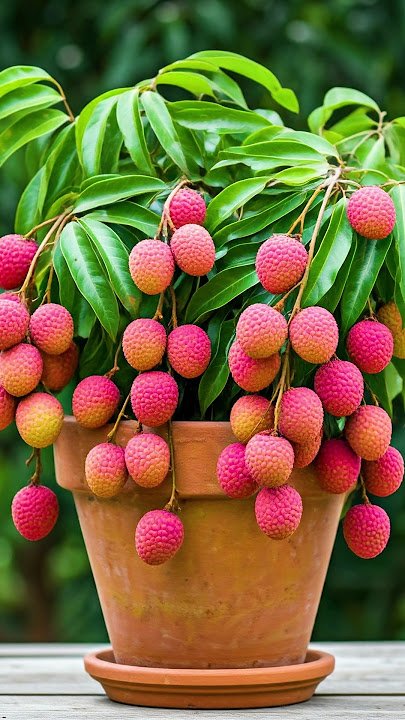
Below is a simple, clear, and highly successful technique used by experienced gardeners.
Step 1: Choose the Right Branch
Pick a branch that is:
- Pencil to thumb thickness
- Healthy, disease-free
- At least 1–2 years old
- Getting plenty of sunlight
Avoid very soft young stems or hard, woody old branches.
Step 2: Remove a Ring of Bark
Using a clean, sharp knife:
- Make two circular cuts around the branch—about 1 inch apart.
- Connect them with a vertical cut.
- Peel off the bark cleanly.
This exposes the cambium layer, stopping nutrients from returning and encouraging root formation.
Pro Tip:
Scrape the exposed area lightly to remove any remaining green tissue. This prevents the bark from reconnecting and ensures roots grow.
Step 3: Prepare the Rooting Medium
Lychee roots best in moist, airy material. Use:
- Coco peat
- Sphagnum moss
- A 50/50 mix of soil and compost
- Or even sand + compost
Moisten the mixture so it’s damp but not dripping.
Optional Boost:
Sprinkle a little rooting hormone for faster results.
Step 4: Pack the Moss Around the Cut
Take a handful of moist moss or soil mix and wrap it around the exposed ring. Make sure it’s fully covered with at least a fist-sized ball.
Step 5: Wrap It Tightly
Use:
- Plastic wrap
- Cling film
- A transparent polybag
Secure both ends with twine or tape so moisture doesn’t escape.
Why Clear Plastic?
You can monitor root development without opening it.
Step 6: Let Nature Do the Work
Place the air layer in a spot with:
- Good sunlight
- Adequate moisture
- No heavy wind
Water the parent tree regularly—this keeps nutrients flowing to the branch.
Rooting Time:
Lychee usually forms strong roots in 6–10 weeks.
Checking Your Air Layer
After a few weeks, you’ll notice:
- White roots pressing against the plastic
- Medium becoming firm as roots fill it
- Slight swelling of the branch area
Once the roots are 90% developed, you’re ready for the final step.
✂ Step 7: Remove and Pot the New Lychee Plant
Using clean pruners:
- Cut the branch just below the rooted ball.
- Gently remove the plastic—don’t disturb the roots.
- Place the rooted ball into a pot filled with rich, well-draining soil.
- Water lightly.
Keep the new plant in partial shade for 1–2 weeks to help it adjust.
Step 8: Transplanting into the Ground
After 4–6 weeks in a container, your new lychee plant will be ready for its permanent home.
Choose a spot with:
- Full sunlight
- Rich, loamy soil
- Good drainage
- At least 3–4 meters spacing from other trees
Add compost or cow dung manure for faster establishment.
Caring for Your Newly Propagated Lychee Tree
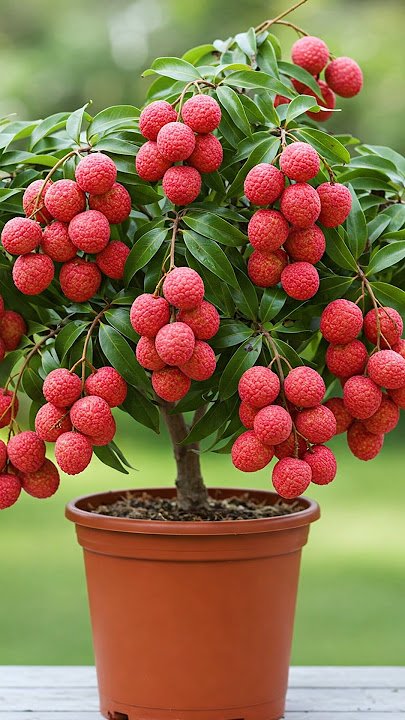
Once planted, follow these care steps to help it thrive.
1. Watering
Lychee loves moisture but hates waterlogging.
- Water every 2–3 days during summer
- Reduce frequency in winter
- Keep soil consistently moist for the first 3 months
2. Sunlight
Lychee is a sun-loving tropical tree.
- Minimum 6 hours of direct sunlight needed
- Avoid deep shade
More sunlight = faster growth.
3. Feeding Your Lychee Tree
Feed it organically:
- Cow dung manure
- Compost
- Vermicompost
- Banana peel fertilizer
- Liquid seaweed
- Neem cake
Add mild fertilizer every 30–45 days.
4. Mulching
Mulch with:
- Dry leaves
- Coco chips
- Grass clippings
Mulching keeps the roots cool and moist, which lychee loves.
✂ 5. Pruning
Light pruning helps shape the tree and encourages branching.
- Remove weak, crossing, or inward-growing branches
- Maintain a round, balanced canopy
When Will Your Air-Layered Lychee Tree Fruit?
Here’s the best part:
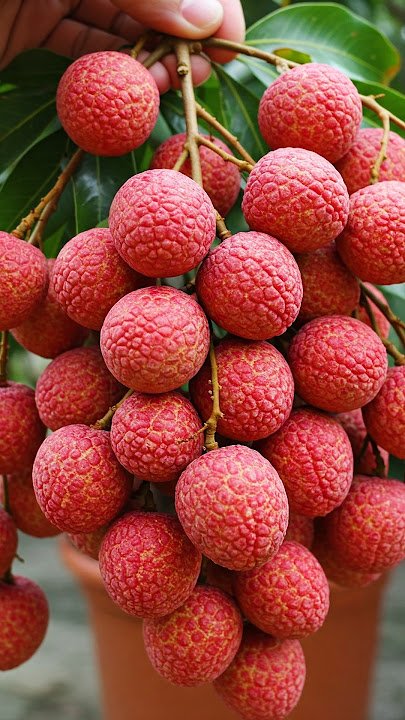
👉 Air-layered lychee trees can fruit in just 2–3 years, much earlier than seed-grown trees.
Because the new plant is a clone of the mother tree, it inherits:
✔ Faster fruiting
✔ Better fruit quality
✔ Consistent taste and size
You get exactly the same lychees as the parent!
Common Mistakes You Should Avoid
Wrapping with dry moss
Using weak or diseased branches
Allowing sunlight to bake the plastic wrap
Disturbing the roots too early
Giving too much fertilizer to small plants
Avoid these mistakes for near 100% success.
Final Thoughts: Anyone Can Propagate Lychee Successfully!
Air layering is not only the best method for propagating lychee—it is also the easiest, most reliable, and fastest way. Whether you’re a beginner or an experienced gardener, this technique will give you strong, healthy plants that fruit much sooner than you expect.
With just a knife, some moss, and a little patience, you can grow multiple lychee trees from a single plant—and enjoy delicious homegrown lychees for years.