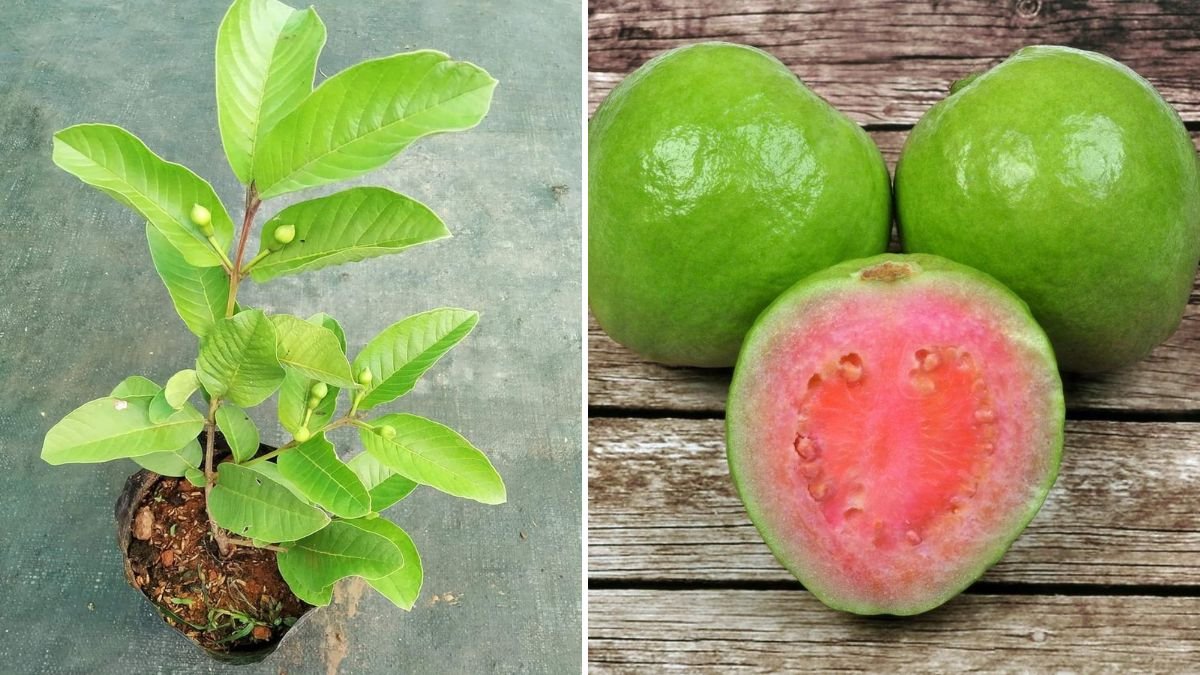
Guava is one of the most beloved tropical fruit trees, offering sweet, fragrant fruits and an evergreen presence in any garden. Whether you have a large backyard, a small terrace, or just a few pots, guava adapts beautifully and grows vigorously with very little care.
But to enjoy the best quality fruits and a faster harvest, propagation by cuttings is far superior to growing guava from seeds.
Seeds often produce unpredictable fruit quality, and seedlings take much longer to mature.
Propagation through cuttings, on the other hand, gives you an exact clone of the parent plant, ensuring consistent fruit taste, shape, and sweetness—plus much quicker growth.
In this article, you’ll learn how guava tree propagation is made simple, with an easy technique that boosts rooting success, prevents disease, and helps your young guava grow fast and strong.
Why Propagate Guava Trees at Home?
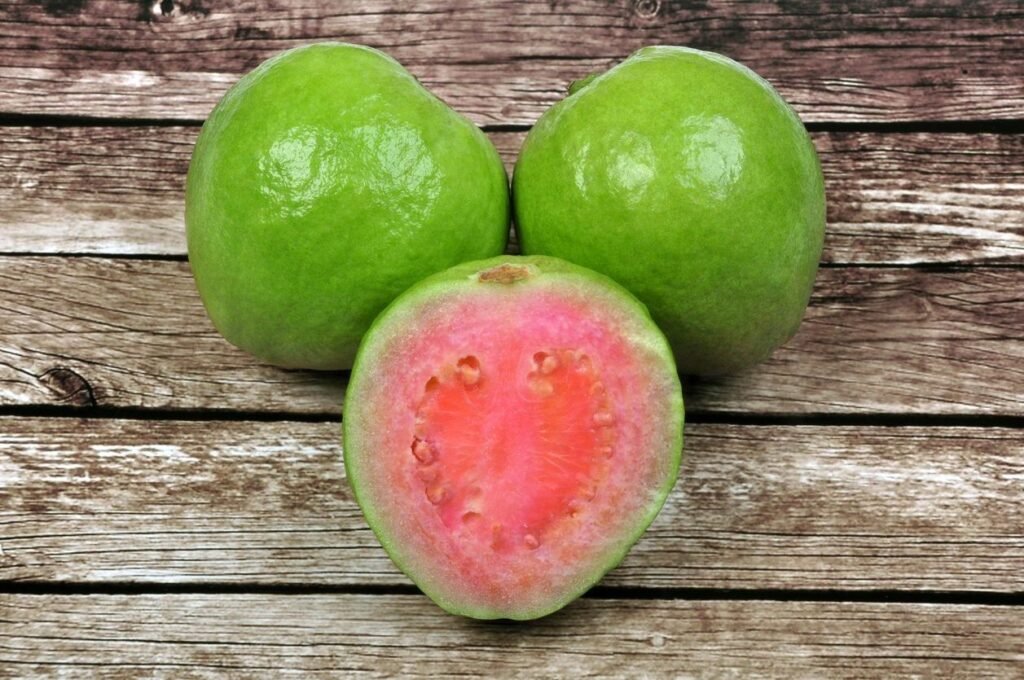
Before we get into the method, let’s understand why propagation is so beneficial:
✔ 1. Exact Fruit Quality
Cuttings produce true-to-type plants—the fruit will taste exactly like the parent tree.
✔ 2. Faster Fruiting
Seed-grown guava trees take 3–6 years to fruit.
Cuttings can fruit within 1–2 years.
✔ 3. Saves Money
Instead of buying expensive nursery plants, you can multiply your own guava tree for free.
✔ 4. Perfect for Small Gardens
Cutting-grown guavas remain compact and bushy, ideal for pots and terraces.
✔ 5. High Success Rate
With the right method, you can root guava cuttings with 80–95% success.
Best Season for Guava Propagation
Guava grows well in warm weather, but the best time for propagation is:
- Early Monsoon (June–July)
- Spring (February–April)
Why?
Because humidity and warm temperatures are ideal for rooting.
Avoid the winter season unless you’re propagating indoors.
Step-by-Step Guide: Guava Propagation Made Easy
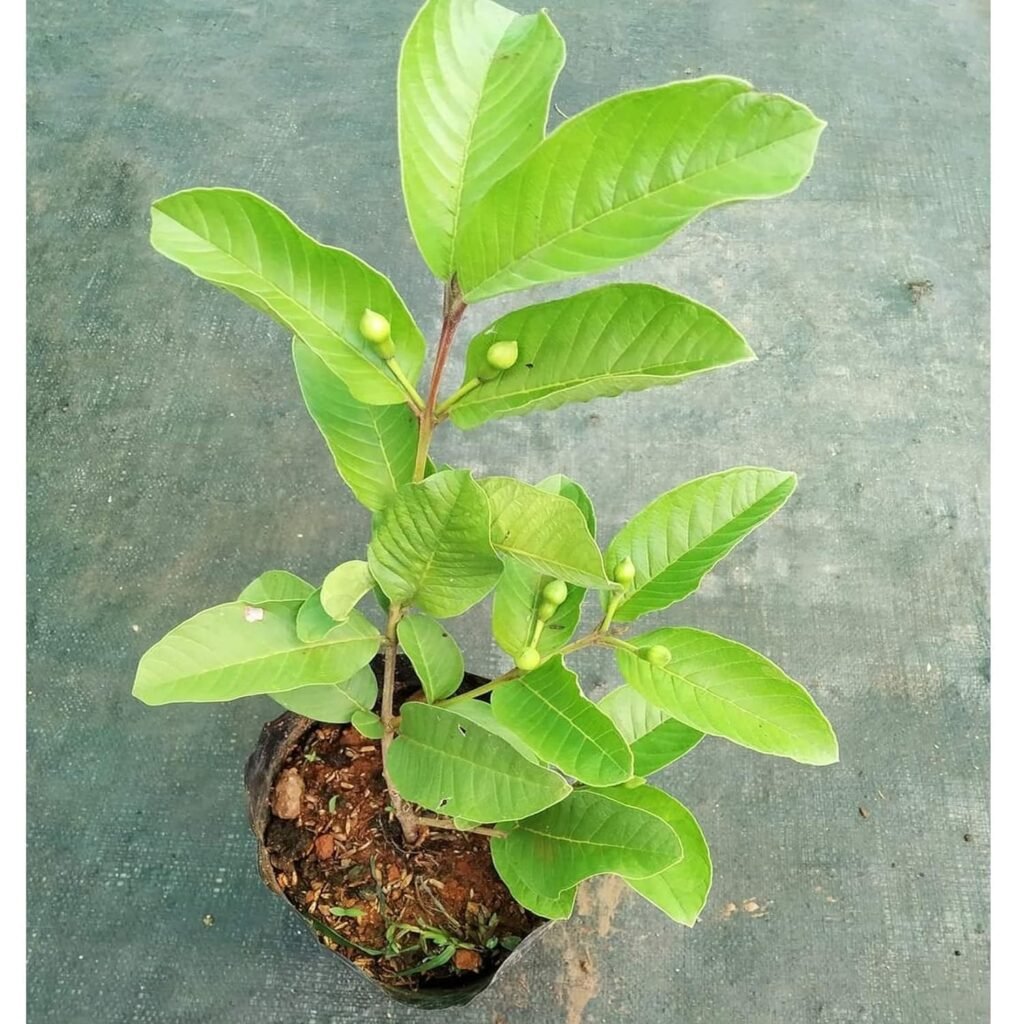
This method is the same technique used in commercial nurseries. Follow each step carefully for the best results.
Step 1: Select the Right Branch for Cutting
Choosing the correct branch is the foundation of successful propagation.
Select:
- A semi-hardwood branch
- 6–8 months old
- Free from pests or diseases
- Pencil-thick and healthy
Avoid green, soft stems—they dehydrate quickly.
Avoid very woody stems—they root slowly.
Step 2: Cut a Perfect Stem Section
Make a cutting of:
- 15–20 cm (6–8 inches)
- 3–4 nodes
- 2 healthy leaves on top
Remove the lower leaves completely.
Make the bottom cut just below a node, because rooting hormones naturally accumulate there.
Pro Tip:
Cut at a 45-degree angle to increase the surface area for rooting.
Step 3: Apply the Secret Rooting Boosters
To speed up root formation, dip the base of the cutting in one of the following:
✔ Rooting Hormone Powder (IBA or NAA)
Most effective for guava.
✔ DIY Natural Rooting Gel
A mixture of:
- Aloe Vera gel
- A few drops of honey
- A little cinnamon
This works as:
- Rooting enhancer
- Antifungal protection
- Moisture sealant
✔ Cinnamon Powder
Reduces fungal attacks.
Guava cuttings tend to rot easily, so using a rooting booster is highly recommended.
Step 4: Prepare the Ideal Rooting Mix
The rooting medium is crucial. Guava needs soil that holds moisture but drains quickly.
BEST ROOTING MIX:
- 40% Cocopeat
- 30% Sand or Perlite
- 20% Vermicompost
- 10% Rice Husk or Bark Chips
This mix:
- Prevents waterlogging
- Provides aeration
- Encourages rapid root formation
Avoid heavy garden soil—it will suffocate the cutting.
Step 5: Plant the Cutting Properly
- Insert 2–3 inches of the stem into the soil.
- Keep at least one node below the soil.
- Press the surrounding soil gently for stability.
- Mist lightly with water.
Do not overwater—moisture is good, excess water causes rot.
Step 6: Create a Mini Greenhouse (THE SECRET)
This is the magic step.
Cover the pot with:
- A clear plastic bag
- A transparent bottle (bottom removed)
- A small greenhouse dome
This traps humidity and warmth, creating perfect rooting conditions.
Ideal Conditions:
- Temperature: 25–30°C
- Humidity: 70–90%
- Light: Bright indirect sunlight
Every 2–3 days, open the cover for a minute to let fresh air in.
Caring for Guava Cuttings Until They Root
To ensure rapid and healthy rooting:
1. Water Correctly
Water only when the top layer feels dry.
Excess water = rotting stem.
🌤 2. Keep Them in Indirect Light
Avoid harsh sunlight—it dries out the cuttings quickly.
🌡 3. Maintain Warmth
Guava does not root well in cold environments.
If needed, keep the pot indoors near a warm area.
4. Prevent Fungal Problems
Spray a mild neem water solution once a week.
How Long Does It Take for Guava to Root?
If you follow all the steps correctly:
Rooting Time: 3–5 Weeks
Signs your cutting has rooted:
- New buds appear
- Fresh leaves sprout
- The cutting becomes firm and stable
- Stem color turns bright green
Allow 6–8 weeks before transplanting into a larger container.
Transplanting Your Rooted Guava Plant
Once your cutting has formed strong roots:
Use This Potting Mix:
- 40% Garden Soil
- 30% Compost
- 20% Cocopeat
- 10% Sand
Choose a 10–12 inch pot initially.
After 5–6 months, transfer it to a large container or plant it in the ground.
How to Make Your Guava Plant Grow Faster
After successful propagation, boost your guava’s growth using these methods:
1. Feed with Organic Fertilizers
Once per month apply:
- Vermicompost
- Cow dung compost
- Mustard cake liquid
- Banana peel fertilizer
2. Provide 5–6 Hours of Sunlight
Guava loves sunlight.
More sunlight = faster growth and sweeter fruits.
3. Prune Regularly
When your plant reaches 1 foot in height, pinch the top to encourage side branching.
A bushier guava tree produces more fruits.
4. Water Deeply but Infrequently
Let the top 2 inches of soil dry between watering.
5. Protect from Common Pests
Spray neem oil monthly to prevent:
- Aphids
- Whiteflies
- Mealybugs
When Will Your Guava Cutting Produce Fruit?
A well-cared-for cutting can produce fruit within:
1–2.5 Years
This is much faster than seed-grown guava trees.
Final Thoughts
Guava tree propagation is often misunderstood as difficult—but with the right steps, it is incredibly easy and highly rewarding. By choosing the right branch, preparing a fast-draining rooting mix, using a humidity dome, and giving your cutting consistent warmth and care, you can achieve a very high success rate.
In just a few weeks, you’ll have a strong, healthy young guava plant ready to grow into a fruiting tree that will reward you for years.
Propagation truly becomes simple when you understand the science behind it—and this guide ensures your guava propagation journey is smooth, fast, and successful.