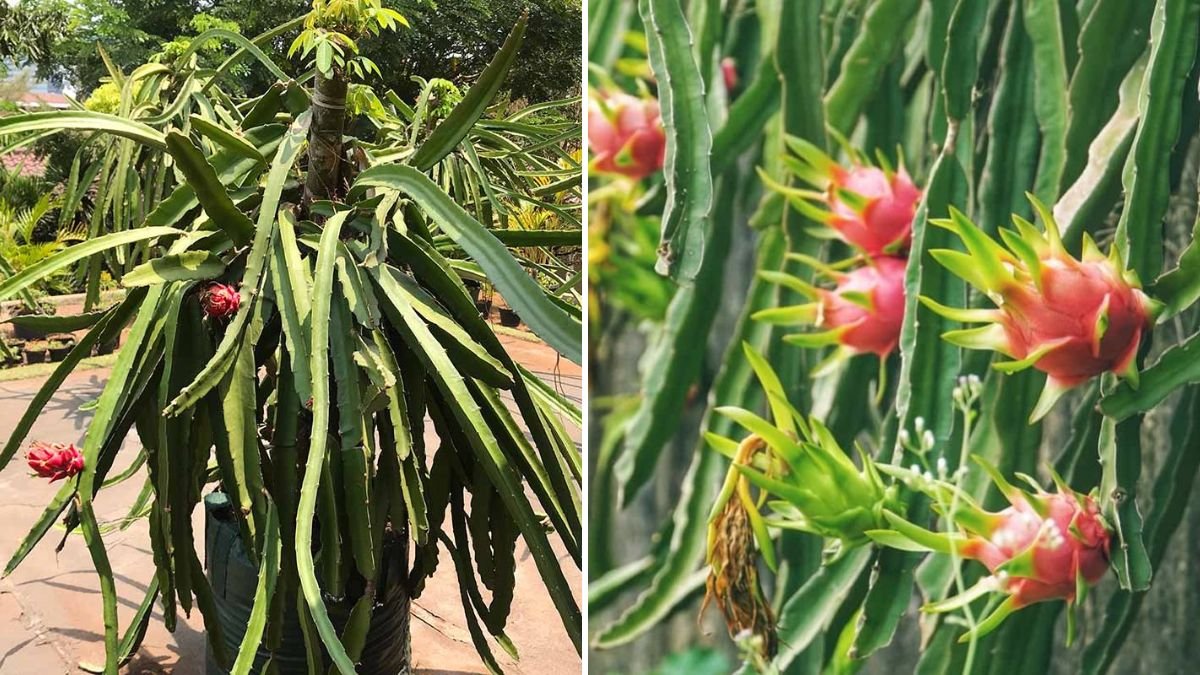
Dragon fruit, also known as pitaya, is a tropical wonder that not only dazzles with its vibrant pink or yellow skin and striking white or red flesh but also packs a nutritious punch. Known for its high fiber, vitamin C, and antioxidant content, dragon fruit is a favorite for home gardeners and exotic fruit enthusiasts. Traditionally grown in orchards or open fields, dragon fruit can also thrive in containers, making it perfect for balcony gardens, patios, or small urban spaces. With the right techniques, even a beginner can enjoy this eye-catching and delicious fruit from the comfort of home. This article provides a detailed, step-by-step guide on growing dragon fruit in containers—from selecting the right stem to harvesting your sweet, succulent fruits.
Step 1: Choosing the Right Variety
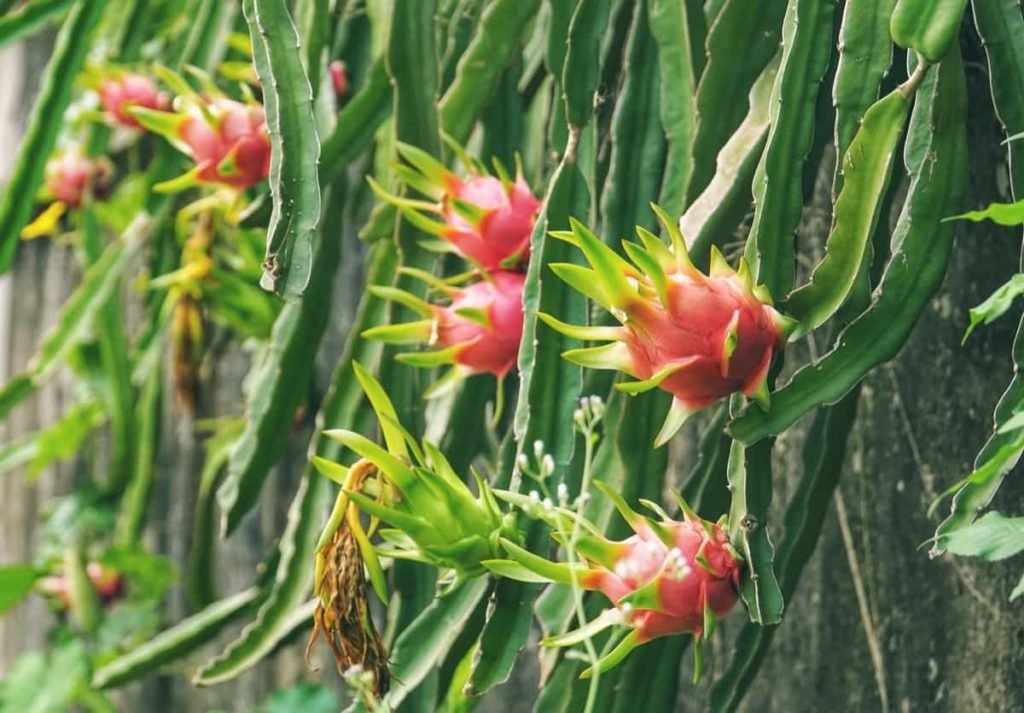
The first step in container dragon fruit gardening is selecting the right variety. There are three main types:
- Hylocereus undatus – White flesh with pink skin, commonly found in grocery stores.
- Hylocereus costaricensis – Red flesh with pink skin, known for its vibrant interior and sweeter taste.
- Hylocereus megalanthus – White flesh with yellow skin, smaller but extremely flavorful.
For container gardening, compact varieties such as Hylocereus undatus are preferable because they are easier to manage and still produce generous yields.
Step 2: Selecting a Healthy Stem or Cutting
Dragon fruit can be propagated from seeds or stem cuttings, but stem cuttings are recommended for faster growth and earlier fruiting.
Tips for choosing a stem:
- Look for a healthy, green stem segment that is about 12–18 inches long.
- Avoid stems with signs of disease, discoloration, or soft spots.
- If possible, select a cutting from a mature plant that has previously fruited.
Once selected, allow the stem cutting to callus for a few days in a shaded area. This helps prevent rot when planted in the container.
Step 3: Choosing the Right Container
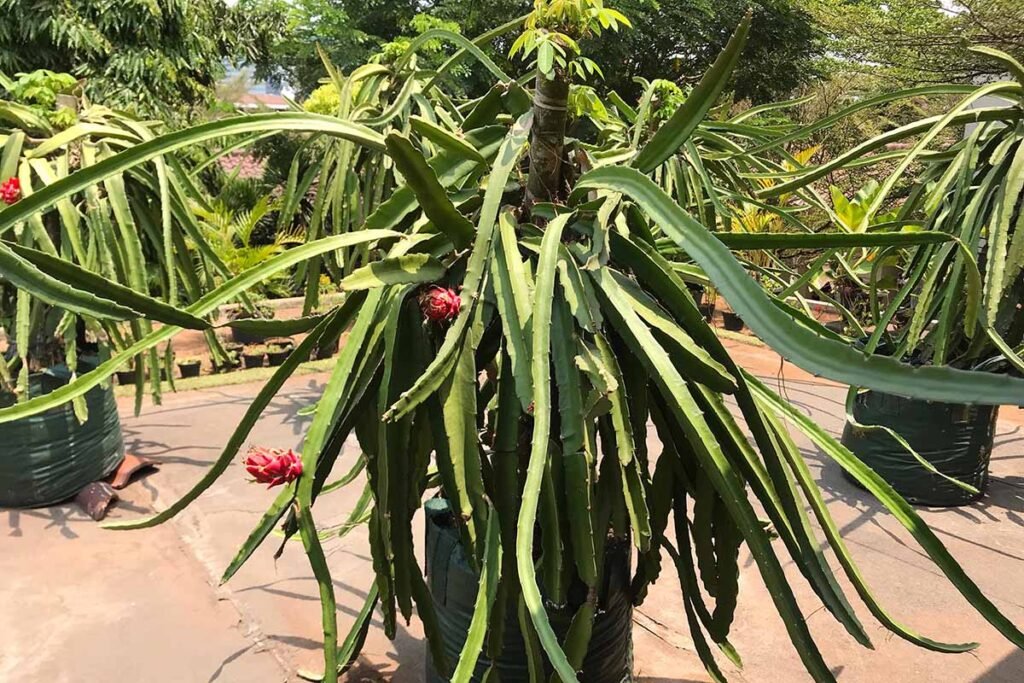
Container size and material are crucial for successful dragon fruit growth. Here’s what to consider:
- Size: A container at least 18–24 inches wide and 18–24 inches deep is ideal for a single stem. Larger containers allow multiple stems and provide better stability as the plant grows tall.
- Material: Terracotta, plastic, or ceramic pots work well. Ensure the container has excellent drainage holes to prevent waterlogging.
- Support: Dragon fruit is a climbing cactus and requires support as it grows. Install a sturdy trellis, stake, or cage inside the container to support the plant’s weight.
Step 4: Soil Preparation
Dragon fruit thrives in well-draining, slightly acidic soil. A balanced mix ensures the roots get enough oxygen while retaining some moisture.
Recommended soil mix:
- 1 part cactus soil or sandy loam
- 1 part compost or organic matter
- 1 part perlite or coarse sand for drainage
Before planting, check the soil pH. Dragon fruit prefers a pH between 6 and 7. If necessary, adjust the soil with lime (to raise pH) or sulfur (to lower pH).
Step 5: Planting the Stem
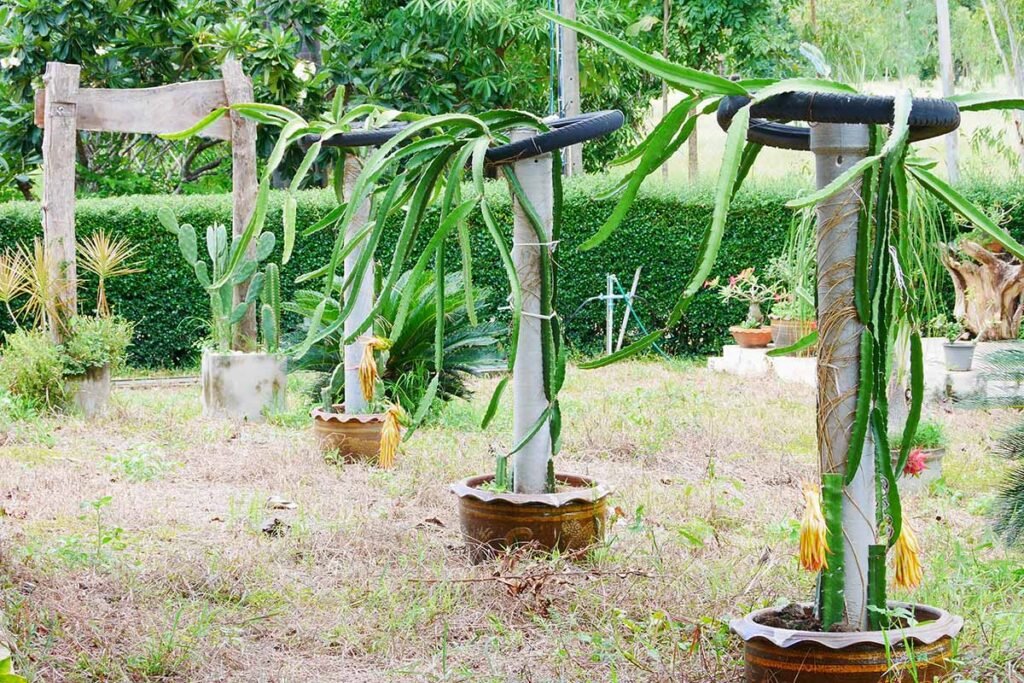
Once your container, soil, and support are ready:
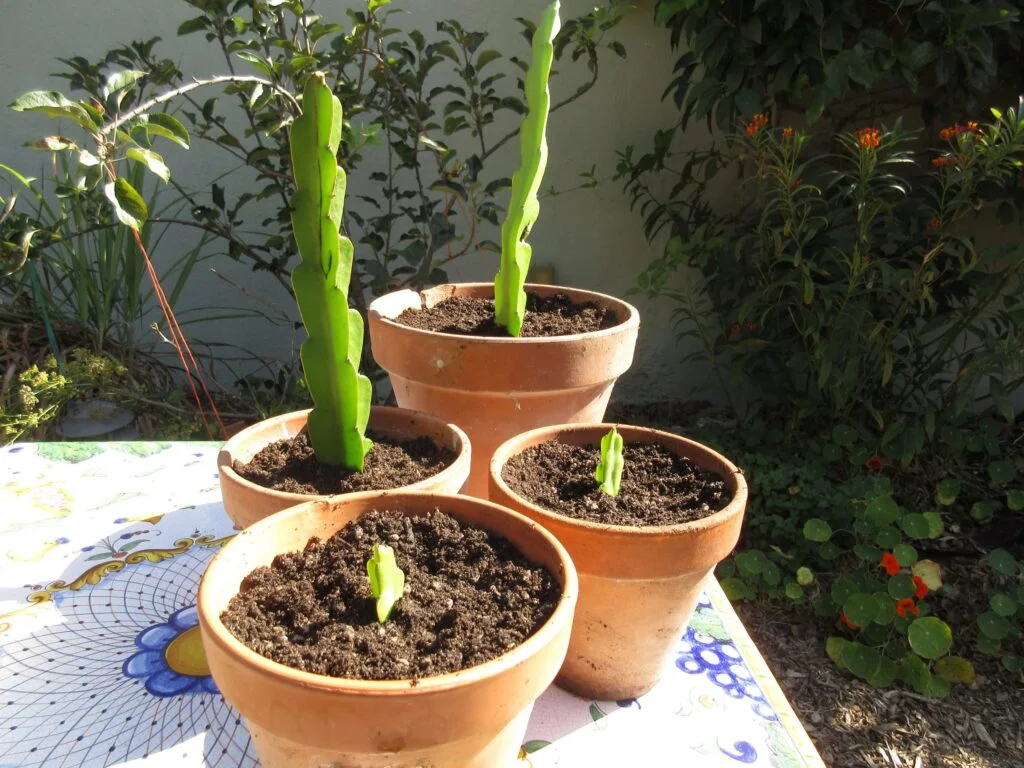
- Fill the container with the prepared soil mix, leaving about 3–4 inches from the rim.
- Insert the callused stem about 2–3 inches deep into the soil.
- Gently firm the soil around the stem to provide initial support.
- Position the plant near the trellis or stake, tying it loosely with soft garden ties.
After planting, water lightly. Overwatering at this stage can cause the cutting to rot.
Step 6: Watering and Care
Dragon fruit is a cactus but still requires consistent moisture for healthy growth, especially in containers.
- Watering frequency: Once or twice a week, depending on weather and container drainage. Reduce watering in the cooler months.
- Fertilization: Use a balanced liquid fertilizer every 4–6 weeks. During the flowering and fruiting period, switch to a high-phosphorus fertilizer to encourage blooms.
- Pruning: Trim lower branches to promote airflow and remove any dead or diseased growth. Regular pruning helps the plant focus energy on fruit production.
Step 7: Sunlight and Temperature
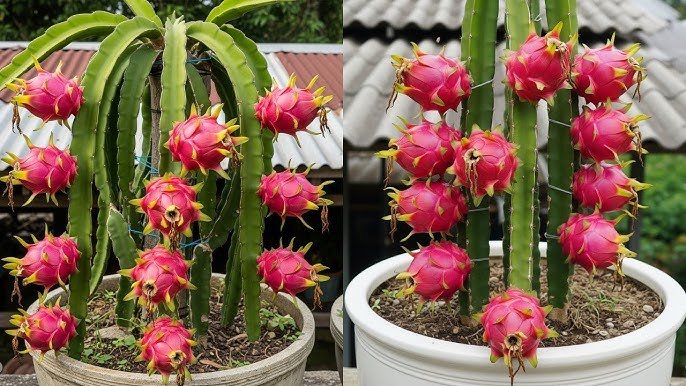
Dragon fruit loves sunlight and warmth. For container plants:
- Provide 6–8 hours of direct sunlight daily. If grown indoors, place near a south-facing window or use grow lights.
- Ideal temperature ranges from 65°F to 85°F (18°C to 29°C). Protect the plant from frost and extreme cold, which can damage stems and prevent flowering.
Step 8: Encouraging Flowering and Fruiting
Dragon fruit flowers are nocturnal, large, and fragrant, often called “moonflowers.” To encourage flowering in container-grown plants:
- Ensure the plant receives enough sunlight.
- Avoid over-fertilizing with nitrogen, as this promotes foliage growth but inhibits flowering.
- Some growers gently hand-pollinate flowers using a soft brush, especially in indoor or urban settings where pollinators are scarce.
After successful pollination, fruits begin to form within a month.
Step 9: Harvesting Your Dragon Fruit
Patience is key—dragon fruit takes about 30–50 days after flowering to mature. Signs that the fruit is ready to harvest:
- Skin color turns vibrant (pink or yellow depending on the variety).
- Slight softness when gently pressed.
- No green tips remaining on the fruit.
Use scissors or pruning shears to cut the fruit, leaving a short stem attached. This prevents damage to the plant and encourages further flowering.
Step 10: Pest and Disease Management
Container plants are less prone to pests than ground-grown crops, but vigilance is still necessary:
- Common pests: Aphids, mealybugs, and scale insects. Remove manually or use insecticidal soap.
- Diseases: Root rot and stem blight can occur due to overwatering. Ensure proper drainage and avoid waterlogging.
- Prevention: Maintain clean containers, remove fallen debris, and monitor the plant weekly for early signs of infestation.
Tips for Continuous Harvests
- Container-grown dragon fruit can produce multiple crops per year under ideal conditions.
- Rotate stems periodically for even sunlight exposure.
- Feed the plant regularly with a balanced or bloom-enhancing fertilizer.
- Replace old or weakened stems with new cuttings every few years to maintain vigorous fruiting.
Conclusion
Growing dragon fruit in containers is not only possible—it can be incredibly rewarding. With minimal space, a carefully chosen container, proper soil, and consistent care, you can enjoy homegrown, exotic dragon fruits right from your balcony or patio. By following this step-by-step guide—from selecting a healthy stem to harvesting sweet, succulent fruits—you can cultivate a thriving dragon fruit garden that will impress family, friends, and even your inner foodie.
Container gardening turns challenges into convenience, allowing urban dwellers to experience the joys of tropical fruit cultivation. Start today, and soon you’ll see vibrant dragon fruit climbing elegantly on your trellis, promising delicious rewards in just a few months.